

72
M I C H A E L L O C K E
truncated end. These results suggest that the diameter of a tergal trachea
is determined from the tissue endings.
The lateral tracheae are exceptions to the normal branching rule in
that they link up different spiracles instead of taking part in the segmentai diffusion path from spiracle to tissue. It is therefore of particular
interest to study the factors controlling their growth. At each molt the
remains of the old tracheae are drawn through the spiracles and are shed
with the exuvium. To allow this, the lateral tracheae break at the nodes,
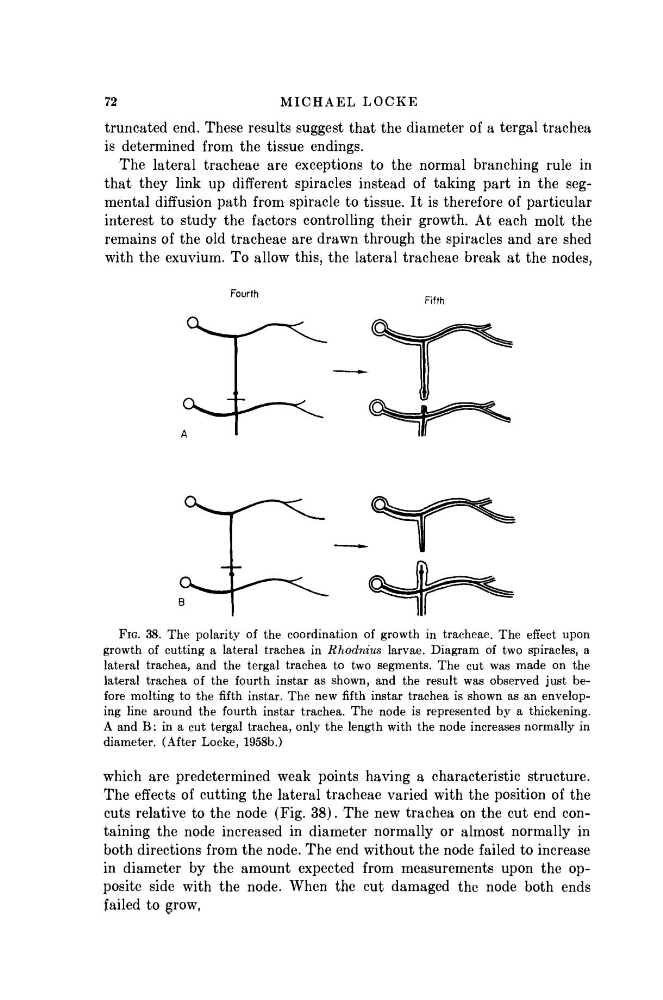
FIG. 38. The polarity of the coordination of growth in tracheae. The effect upon
growth of cutting a lateral trachea in Rhodnius larvae. Diagram of two spiracles, a
lateral trachea, and the tergal trachea to two segments. The cut was made on the
lateral trachea of the fourth instar as shown, and the result was observed just before molting to the fifth instar. The new fifth instar trachea is shown as an enveloping line around the fourth instar trachea. The node is represented by a thickening.
A and B : in a cut tergal trachea, only the length with the node increases normally in
diameter. (After Locke, 1958b.)
which are predetermined weak points having a characteristic structure.
The effects of cutting the lateral tracheae varied with the position of the
cuts relative to the node (Fig. 38). The new trachea on the cut end containing the node increased in diameter normally or almost normally in
both directions from the node. The end without the node failed to increase
in diameter by the amount expected from measurements upon the opposite side with the node. When the cut damaged the node both ends
failed to grow,
M I C H A E L L O C K E
truncated end. These results suggest that the diameter of a tergal trachea
is determined from the tissue endings.
The lateral tracheae are exceptions to the normal branching rule in
that they link up different spiracles instead of taking part in the segmentai diffusion path from spiracle to tissue. It is therefore of particular
interest to study the factors controlling their growth. At each molt the
remains of the old tracheae are drawn through the spiracles and are shed
with the exuvium. To allow this, the lateral tracheae break at the nodes,
FIG. 38. The polarity of the coordination of growth in tracheae. The effect upon
growth of cutting a lateral trachea in Rhodnius larvae. Diagram of two spiracles, a
lateral trachea, and the tergal trachea to two segments. The cut was made on the
lateral trachea of the fourth instar as shown, and the result was observed just before molting to the fifth instar. The new fifth instar trachea is shown as an enveloping line around the fourth instar trachea. The node is represented by a thickening.
A and B : in a cut tergal trachea, only the length with the node increases normally in
diameter. (After Locke, 1958b.)
which are predetermined weak points having a characteristic structure.
The effects of cutting the lateral tracheae varied with the position of the
cuts relative to the node (Fig. 38). The new trachea on the cut end containing the node increased in diameter normally or almost normally in
both directions from the node. The end without the node failed to increase
in diameter by the amount expected from measurements upon the opposite side with the node. When the cut damaged the node both ends
failed to grow,