

P A T T E R N S I N T H E I N T E G U M E N T OF I N S E C T S
63
FIG. 29. The segmentaliy repeating gradient. The results of the experiments described in Figs. 25-28 show that the epidermis is arranged in a segmentaliy repeating
gradient with respect to their response to the axial level of neighboring cells. Left
to themselves, the anterior cells show a dominance in restoring the pattern, they are
higher in the gradient. We can picture this behavior as in the diagram. Cells may be
moved from side to side and from segment to segment in the same relative position
in the axis without reacting. Any change in axial position brings incompatible cells
together and creates a distortion of the pattern. (From Locke, 1960b.)
1966b). In the abdomen, the ripple pattern served as a guide to the orientation of the epidermal cells below. In the appendages, this information is
given by the orientation of the bristles which are evenly arranged in
polarized tracts pointing towards the tip of the leg. The structure of the
Fifth
Adult
5
4
3
?
1
20
19
18
17
16
\
\
\
~7
/
λ
/
/
S
\
\
\
6
7
8
9
10
11
12
13
14
15
b
\
\
\
/
λ
λ
/
<
/
\
\
\
5
4
3
2
1
20
19
18
17
16
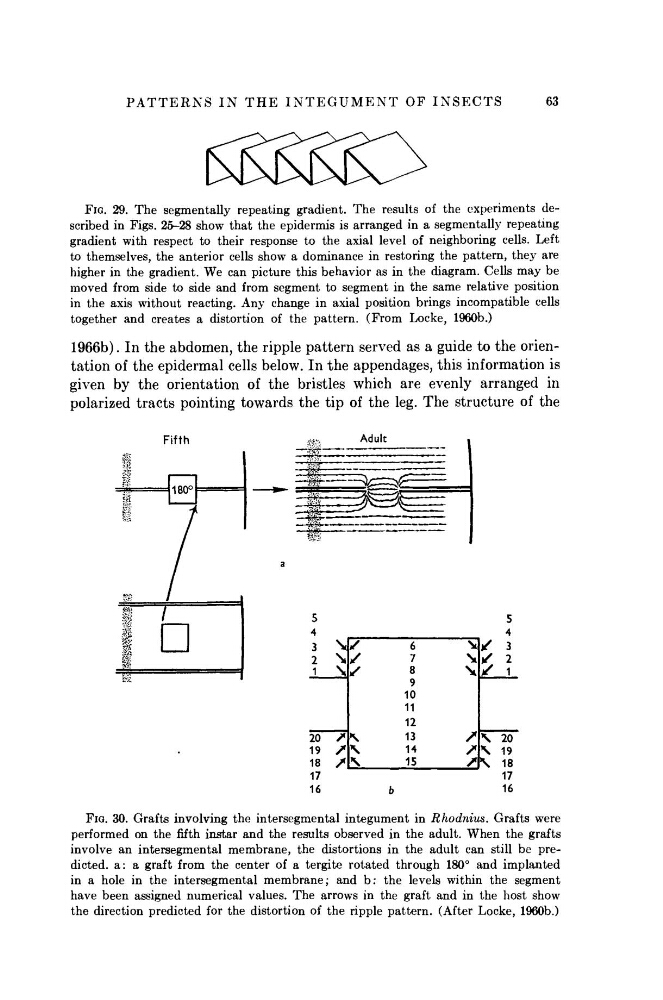
FIG. 30. Grafts involving the intersegmental integument in Rhodnius. Grafts were
performed on the fifth instar and the results observed in the adult. When the grafts
involve an intersegmental membrane, the distortions in the adult can still be predicted. a: a graft from the center of a tergite rotated through 180° and implanted
in a hole in the intersegmental membrane; and b : the levels within the segment
have been assigned numerical values. The arrows in the graft and in the host show
the direction predicted for the distortion of the ripple pattern. (After Locke, 1960b.)
63
FIG. 29. The segmentaliy repeating gradient. The results of the experiments described in Figs. 25-28 show that the epidermis is arranged in a segmentaliy repeating
gradient with respect to their response to the axial level of neighboring cells. Left
to themselves, the anterior cells show a dominance in restoring the pattern, they are
higher in the gradient. We can picture this behavior as in the diagram. Cells may be
moved from side to side and from segment to segment in the same relative position
in the axis without reacting. Any change in axial position brings incompatible cells
together and creates a distortion of the pattern. (From Locke, 1960b.)
1966b). In the abdomen, the ripple pattern served as a guide to the orientation of the epidermal cells below. In the appendages, this information is
given by the orientation of the bristles which are evenly arranged in
polarized tracts pointing towards the tip of the leg. The structure of the
Fifth
Adult
5
4
3
?
1
20
19
18
17
16
\
\
\
~7
/
λ
/
/
S
\
\
\
6
7
8
9
10
11
12
13
14
15
b
\
\
\
/
λ
λ
/
<
/
\
\
\
5
4
3
2
1
20
19
18
17
16
FIG. 30. Grafts involving the intersegmental integument in Rhodnius. Grafts were
performed on the fifth instar and the results observed in the adult. When the grafts
involve an intersegmental membrane, the distortions in the adult can still be predicted. a: a graft from the center of a tergite rotated through 180° and implanted
in a hole in the intersegmental membrane; and b : the levels within the segment
have been assigned numerical values. The arrows in the graft and in the host show
the direction predicted for the distortion of the ripple pattern. (After Locke, 1960b.)