

308
L. G A L L I E N
Bloch et al (1962), Bloch (1964), Acevedo et al (1963) demonstrate that
the human fetal testis changes progesterone or prenenolone to testosterone
and androstenedione when the fetus is 11-13 cm in length. Diczfalusy
et al (1965) have studied the role of the fetoplacental unit in the metabolism
of estrogens during pregnancy. But this concerns phenomena occurring after
the period of sexual differentiation. Also in man, Villee and Driscoll (1965)
bring out evidence that the interrenal tissue of a 10-cm fetus synthesizes
1 lß-hydroxyandrostenedione from progesterone and pregnenolone.
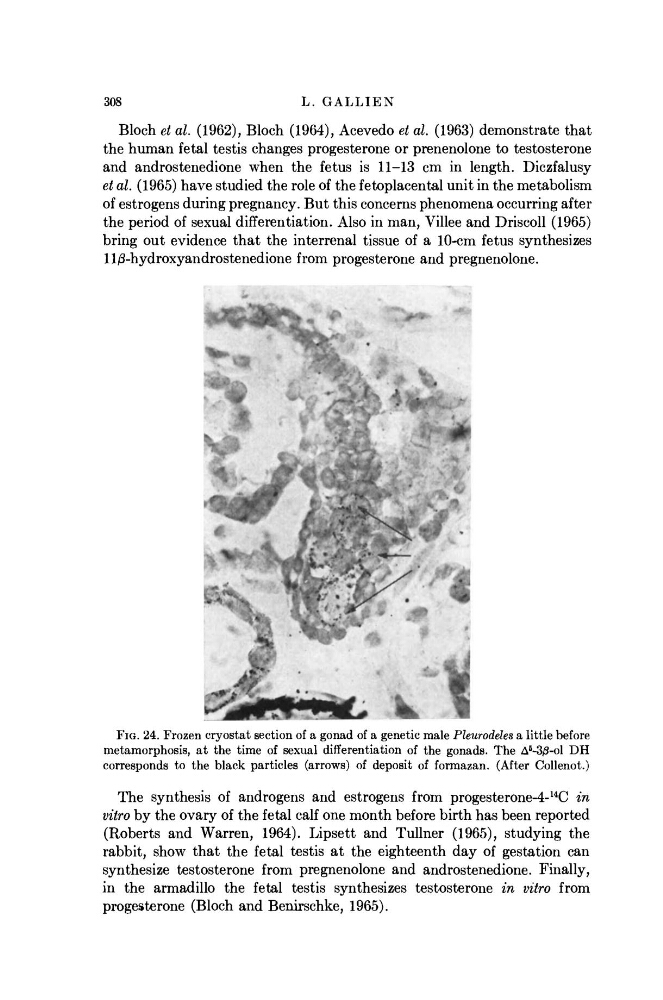
FIG. 24. Frozen cryostat section of a gonad of a genetic male Pleurodeles a little before
metamorphosis, at the time of sexual differentiation of the gonads. The Δ
6
-3/3-ο1 DH
corresponds to the black particles (arrows) of deposit of formazan. (After Collenot.)
The synthesis of androgens and estrogens from progesterone-414
C in
vitro by the ovary of the fetal calf one month before birth has been reported
(Roberts and Warren, 1964). Lipsett and Tullner (1965), studying the
rabbit, show that the fetal testis at the eighteenth day of gestation can
synthesize testosterone from pregnenolone and androstenedione. Finally,
in the armadillo the fetal testis synthesizes testosterone in vitro from
progesterone (Bloch and Benirschke, 1965).
L. G A L L I E N
Bloch et al (1962), Bloch (1964), Acevedo et al (1963) demonstrate that
the human fetal testis changes progesterone or prenenolone to testosterone
and androstenedione when the fetus is 11-13 cm in length. Diczfalusy
et al (1965) have studied the role of the fetoplacental unit in the metabolism
of estrogens during pregnancy. But this concerns phenomena occurring after
the period of sexual differentiation. Also in man, Villee and Driscoll (1965)
bring out evidence that the interrenal tissue of a 10-cm fetus synthesizes
1 lß-hydroxyandrostenedione from progesterone and pregnenolone.
FIG. 24. Frozen cryostat section of a gonad of a genetic male Pleurodeles a little before
metamorphosis, at the time of sexual differentiation of the gonads. The Δ
6
-3/3-ο1 DH
corresponds to the black particles (arrows) of deposit of formazan. (After Collenot.)
The synthesis of androgens and estrogens from progesterone-414
C in
vitro by the ovary of the fetal calf one month before birth has been reported
(Roberts and Warren, 1964). Lipsett and Tullner (1965), studying the
rabbit, show that the fetal testis at the eighteenth day of gestation can
synthesize testosterone from pregnenolone and androstenedione. Finally,
in the armadillo the fetal testis synthesizes testosterone in vitro from
progesterone (Bloch and Benirschke, 1965).