

6. C E L L D I V I S I O N
209
The most important fact acquired about chromosomes in the last
decade is the stability of their D N A during division. The amount of
this substance at prophase is the same as the total of the two daughter
nuclei at telophase. This is proved by cytophotometric evaluation of
the D N A in prophasic and telophasic nuclei (for instances in cultures,
see Deeley, Richards, Walker and Davies, 1954; Firket, 1958a) and
also by the absence of incorporation of precursors during mitosis. The
DNA molecules are not synthesized during cell division but only
distributed equally between the daughter cells (Fig. 4). In several
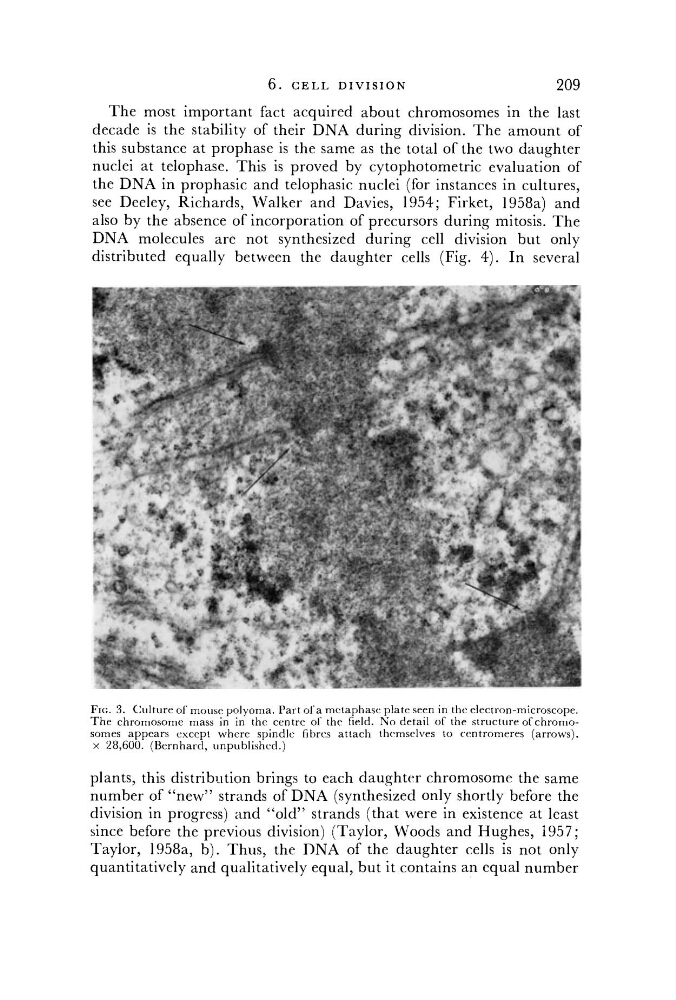
FIG. 3. Culture of mouse polyoma. Part of a metaphase plate seen in the electron-microscope.
The chromosome mass in in the centre of the field. No detail of the structure of chromosomes appears except where spindle fibres attach themselves to centromeres (arrows),
x 28,600. (Bernhard, unpublished.)
plants, this distribution brings to each daughter chromosome the same
number of "new" strands of D N A (synthesized only shortly before the
division in progress) and " o l d " strands (that were in existence at least
since before the previous division) (Taylor, Woods and Hughes, 1957;
Taylor, 1958a, b ) . Thus, the DNA of the daughter cells is not only
quantitatively and qualitatively equal, but it contains an equal number
209
The most important fact acquired about chromosomes in the last
decade is the stability of their D N A during division. The amount of
this substance at prophase is the same as the total of the two daughter
nuclei at telophase. This is proved by cytophotometric evaluation of
the D N A in prophasic and telophasic nuclei (for instances in cultures,
see Deeley, Richards, Walker and Davies, 1954; Firket, 1958a) and
also by the absence of incorporation of precursors during mitosis. The
DNA molecules are not synthesized during cell division but only
distributed equally between the daughter cells (Fig. 4). In several
FIG. 3. Culture of mouse polyoma. Part of a metaphase plate seen in the electron-microscope.
The chromosome mass in in the centre of the field. No detail of the structure of chromosomes appears except where spindle fibres attach themselves to centromeres (arrows),
x 28,600. (Bernhard, unpublished.)
plants, this distribution brings to each daughter chromosome the same
number of "new" strands of D N A (synthesized only shortly before the
division in progress) and " o l d " strands (that were in existence at least
since before the previous division) (Taylor, Woods and Hughes, 1957;
Taylor, 1958a, b ) . Thus, the DNA of the daughter cells is not only
quantitatively and qualitatively equal, but it contains an equal number