

396
JAMES E. DEACON AND W. L. MINCKLEY
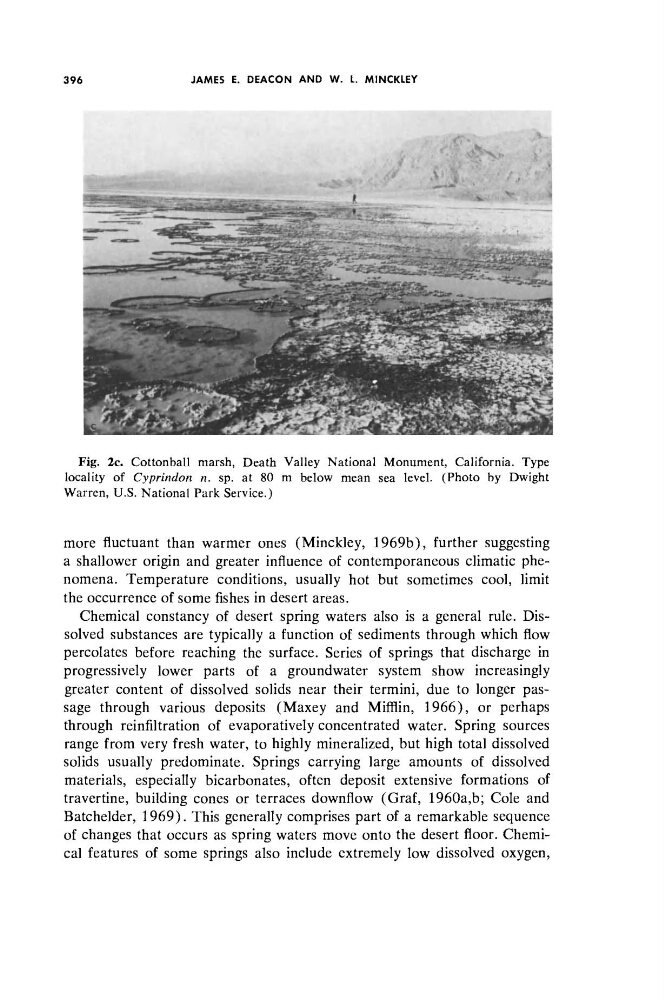
Fig. 2c. Cottonball marsh, Death Valley National Monument, California. Type
locality of Cyprindon n. sp. at 80 m below mean sea level. (Photo by Dwight
Warren, U.S. National Park Service.)
more fluctuant than warmer ones (Minckley, 1969b), further suggesting
a shallower origin and greater influence of contemporaneous climatic phenomena. Temperature conditions, usually hot but sometimes cool, limit
the occurrence of some fishes in desert areas.
Chemical constancy of desert spring waters also is a general rule. Dissolved substances are typically a function of sediments through which flow
percolates before reaching the surface. Series of springs that discharge in
progressively lower parts of a groundwater system show increasingly
greater content of dissolved solids near their termini, due to longer passage through various deposits (Maxey and Miiflin, 1966), or perhaps
through reinfiltration of evaporatively concentrated water. Spring sources
range from very fresh water, to highly mineralized, but high total dissolved
solids usually predominate. Springs carrying large amounts of dissolved
materials, especially bicarbonates, often deposit extensive formations of
travertine, building cones or terraces downflow (Graf, 1960a,b; Cole and
Batchelder, 1969). This generally comprises part of a remarkable sequence
of changes that occurs as spring waters move onto the desert floor. Chemical features of some springs also include extremely low dissolved oxygen,
JAMES E. DEACON AND W. L. MINCKLEY
Fig. 2c. Cottonball marsh, Death Valley National Monument, California. Type
locality of Cyprindon n. sp. at 80 m below mean sea level. (Photo by Dwight
Warren, U.S. National Park Service.)
more fluctuant than warmer ones (Minckley, 1969b), further suggesting
a shallower origin and greater influence of contemporaneous climatic phenomena. Temperature conditions, usually hot but sometimes cool, limit
the occurrence of some fishes in desert areas.
Chemical constancy of desert spring waters also is a general rule. Dissolved substances are typically a function of sediments through which flow
percolates before reaching the surface. Series of springs that discharge in
progressively lower parts of a groundwater system show increasingly
greater content of dissolved solids near their termini, due to longer passage through various deposits (Maxey and Miiflin, 1966), or perhaps
through reinfiltration of evaporatively concentrated water. Spring sources
range from very fresh water, to highly mineralized, but high total dissolved
solids usually predominate. Springs carrying large amounts of dissolved
materials, especially bicarbonates, often deposit extensive formations of
travertine, building cones or terraces downflow (Graf, 1960a,b; Cole and
Batchelder, 1969). This generally comprises part of a remarkable sequence
of changes that occurs as spring waters move onto the desert floor. Chemical features of some springs also include extremely low dissolved oxygen,