

VII. DESERT FISHES
395
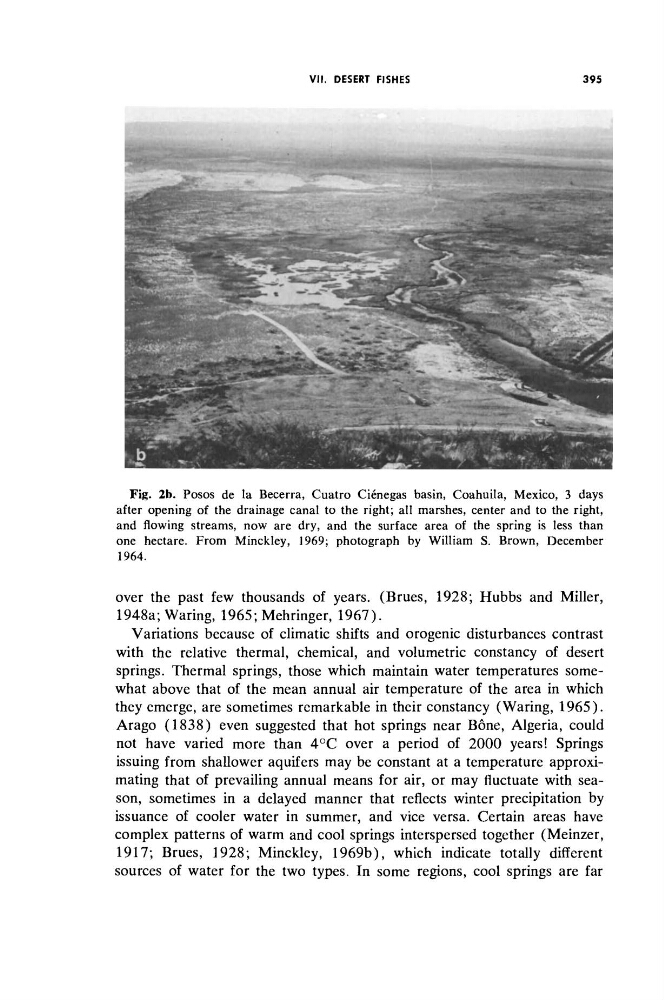
Fig. 2b. Posos de la Becerra, Cuatro Ciénegas basin, Coahuila, Mexico, 3 days
after opening of the drainage canal to the right; all marshes, center and to the right,
and flowing streams, now are dry, and the surface area of the spring is less than
one hectare. From Minckley, 1969; photograph by William S. Brown, December
1964.
over the past few thousands of years. (Brues, 1928; Hubbs and Miller,
1948a; Waring, 1965; Mehringer, 1967).
Variations because of climatic shifts and orogenic disturbances contrast
with the relative thermal, chemical, and volumetric constancy of desert
springs. Thermal springs, those which maintain water temperatures somewhat above that of the mean annual air temperature of the area in which
they emerge, are sometimes remarkable in their constancy (Waring, 1965).
Arago (1838) even suggested that hot springs near Bone, Algeria, could
not have varied more than 4°C over a period of 2000 years! Springs
issuing from shallower aquifers may be constant at a temperature approximating that of prevailing annual means for air, or may fluctuate with season, sometimes in a delayed manner that reflects winter precipitation by
issuance of cooler water in summer, and vice versa. Certain areas have
complex patterns of warm and cool springs interspersed together (Meinzer,
1917; Brues, 1928; Minckley, 1969b), which indicate totally different
sources of water for the two types. In some regions, cool springs are far
395
Fig. 2b. Posos de la Becerra, Cuatro Ciénegas basin, Coahuila, Mexico, 3 days
after opening of the drainage canal to the right; all marshes, center and to the right,
and flowing streams, now are dry, and the surface area of the spring is less than
one hectare. From Minckley, 1969; photograph by William S. Brown, December
1964.
over the past few thousands of years. (Brues, 1928; Hubbs and Miller,
1948a; Waring, 1965; Mehringer, 1967).
Variations because of climatic shifts and orogenic disturbances contrast
with the relative thermal, chemical, and volumetric constancy of desert
springs. Thermal springs, those which maintain water temperatures somewhat above that of the mean annual air temperature of the area in which
they emerge, are sometimes remarkable in their constancy (Waring, 1965).
Arago (1838) even suggested that hot springs near Bone, Algeria, could
not have varied more than 4°C over a period of 2000 years! Springs
issuing from shallower aquifers may be constant at a temperature approximating that of prevailing annual means for air, or may fluctuate with season, sometimes in a delayed manner that reflects winter precipitation by
issuance of cooler water in summer, and vice versa. Certain areas have
complex patterns of warm and cool springs interspersed together (Meinzer,
1917; Brues, 1928; Minckley, 1969b), which indicate totally different
sources of water for the two types. In some regions, cool springs are far