

354
E. B. EDNEY
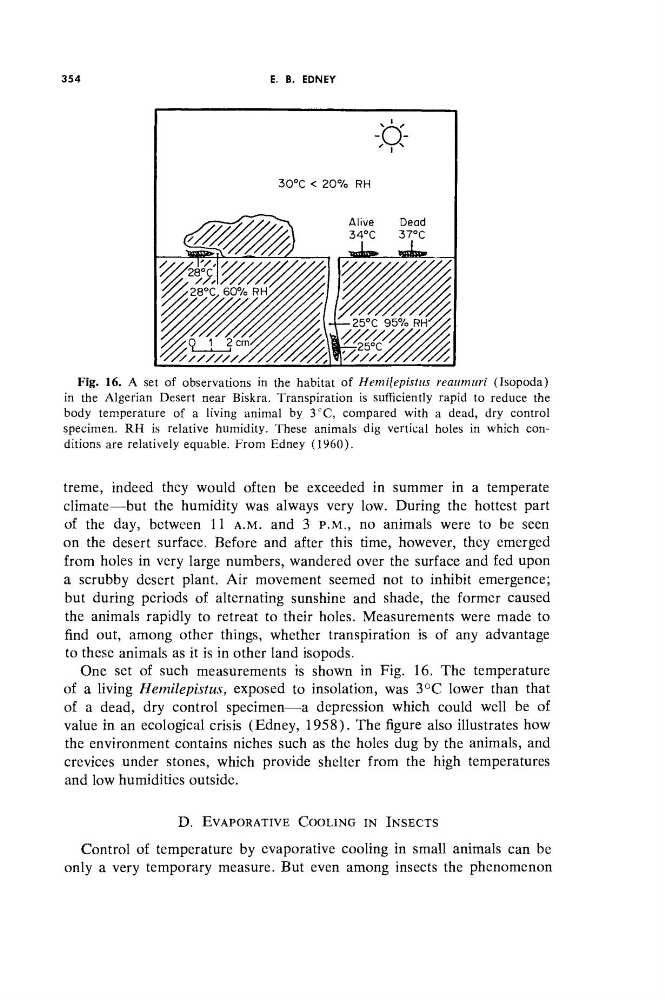
Fig. 16. A set of observations in the habitat of Hemilepistus reaumuri (Isopoda)
in the Algerian Desert near Biskra. Transpiration is sufficiently rapid to reduce the
body temperature of a living animal by 3°C, compared with a dead, dry control
specimen. RH is relative humidity. These animals dig vertical holes in which conditions are relatively equable. From Edney (1960).
treme, indeed they would often be exceeded in summer in a temperate
climate—but the humidity was always very low. During the hottest part
of the day, between 11 A.M. and 3 P.M., no animals were to be seen
on the desert surface. Before and after this time, however, they emerged
from holes in very large numbers, wandered over the surface and fed upon
a scrubby desert plant. Air movement seemed not to inhibit emergence;
but during periods of alternating sunshine and shade, the former caused
the animals rapidly to retreat to their holes. Measurements were made to
find out, among other things, whether transpiration is of any advantage
to these animals as it is in other land isopods.
One set of such measurements is shown in Fig. 16. The temperature
of a living Hemilepistus, exposed to insolation, was 3°C lower than that
of a dead, dry control specimen—a depression which could well be of
value in an ecological crisis (Edney, 1958). The figure also illustrates how
the environment contains niches such as the holes dug by the animals, and
crevices under stones, which provide shelter from the high temperatures
and low humidities outside.
D. EVAPORATIVE COOLING IN INSECTS
Control of temperature by evaporative cooling in small animals can be
only a very temporary measure. But even among insects the phenomenon
E. B. EDNEY
Fig. 16. A set of observations in the habitat of Hemilepistus reaumuri (Isopoda)
in the Algerian Desert near Biskra. Transpiration is sufficiently rapid to reduce the
body temperature of a living animal by 3°C, compared with a dead, dry control
specimen. RH is relative humidity. These animals dig vertical holes in which conditions are relatively equable. From Edney (1960).
treme, indeed they would often be exceeded in summer in a temperate
climate—but the humidity was always very low. During the hottest part
of the day, between 11 A.M. and 3 P.M., no animals were to be seen
on the desert surface. Before and after this time, however, they emerged
from holes in very large numbers, wandered over the surface and fed upon
a scrubby desert plant. Air movement seemed not to inhibit emergence;
but during periods of alternating sunshine and shade, the former caused
the animals rapidly to retreat to their holes. Measurements were made to
find out, among other things, whether transpiration is of any advantage
to these animals as it is in other land isopods.
One set of such measurements is shown in Fig. 16. The temperature
of a living Hemilepistus, exposed to insolation, was 3°C lower than that
of a dead, dry control specimen—a depression which could well be of
value in an ecological crisis (Edney, 1958). The figure also illustrates how
the environment contains niches such as the holes dug by the animals, and
crevices under stones, which provide shelter from the high temperatures
and low humidities outside.
D. EVAPORATIVE COOLING IN INSECTS
Control of temperature by evaporative cooling in small animals can be
only a very temporary measure. But even among insects the phenomenon