

318
E. B. EDNEY
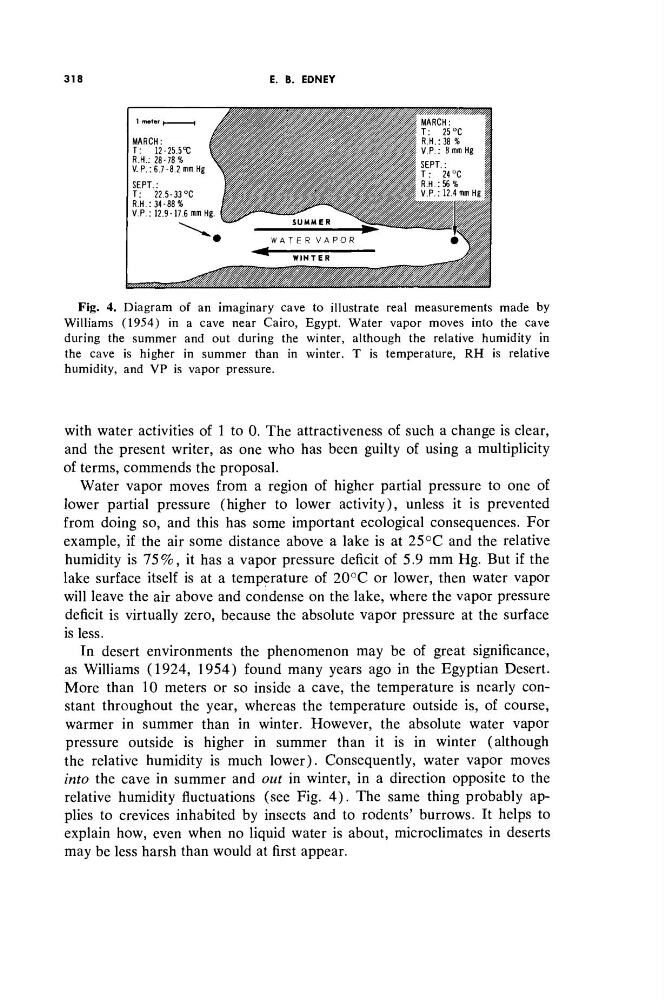
Fig. 4. Diagram of an imaginary cave to illustrate real measurements made by
Williams (1954) in a cave near Cairo, Egypt. Water vapor moves into the cave
during the summer and out during the winter, although the relative humidity in
the cave is higher in summer than in winter. T is temperature, RH is relative
humidity, and VP is vapor pressure.
with water activities of 1 to 0. The attractiveness of such a change is clear,
and the present writer, as one who has been guilty of using a multiplicity
of terms, commends the proposal.
Water vapor moves from a region of higher partial pressure to one of
lower partial pressure (higher to lower activity), unless it is prevented
from doing so, and this has some important ecological consequences. For
example, if the air some distance above a lake is at 25 °C and the relative
humidity is 7 5 % , it has a vapor pressure deficit of 5.9 mm Hg. But if the
lake surface itself is at a temperature of 20°C or lower, then water vapor
will leave the air above and condense on the lake, where the vapor pressure
deficit is virtually zero, because the absolute vapor pressure at the surface
is less.
In desert environments the phenomenon may be of great significance,
as Williams (1924, 1954) found many years ago in the Egyptian Desert.
More than 10 meters or so inside a cave, the temperature is nearly constant throughout the year, whereas the temperature outside is, of course,
warmer in summer than in winter. However, the absolute water vapor
pressure outside is higher in summer than it is in winter (although
the relative humidity is much lower). Consequently, water vapor moves
into the cave in summer and out in winter, in a direction opposite to the
relative humidity fluctuations (see Fig. 4). The same thing probably applies to crevices inhabited by insects and to rodents' burrows. It helps to
explain how, even when no liquid water is about, microclimates in deserts
may be less harsh than would at first appear.
E. B. EDNEY
Fig. 4. Diagram of an imaginary cave to illustrate real measurements made by
Williams (1954) in a cave near Cairo, Egypt. Water vapor moves into the cave
during the summer and out during the winter, although the relative humidity in
the cave is higher in summer than in winter. T is temperature, RH is relative
humidity, and VP is vapor pressure.
with water activities of 1 to 0. The attractiveness of such a change is clear,
and the present writer, as one who has been guilty of using a multiplicity
of terms, commends the proposal.
Water vapor moves from a region of higher partial pressure to one of
lower partial pressure (higher to lower activity), unless it is prevented
from doing so, and this has some important ecological consequences. For
example, if the air some distance above a lake is at 25 °C and the relative
humidity is 7 5 % , it has a vapor pressure deficit of 5.9 mm Hg. But if the
lake surface itself is at a temperature of 20°C or lower, then water vapor
will leave the air above and condense on the lake, where the vapor pressure
deficit is virtually zero, because the absolute vapor pressure at the surface
is less.
In desert environments the phenomenon may be of great significance,
as Williams (1924, 1954) found many years ago in the Egyptian Desert.
More than 10 meters or so inside a cave, the temperature is nearly constant throughout the year, whereas the temperature outside is, of course,
warmer in summer than in winter. However, the absolute water vapor
pressure outside is higher in summer than it is in winter (although
the relative humidity is much lower). Consequently, water vapor moves
into the cave in summer and out in winter, in a direction opposite to the
relative humidity fluctuations (see Fig. 4). The same thing probably applies to crevices inhabited by insects and to rodents' burrows. It helps to
explain how, even when no liquid water is about, microclimates in deserts
may be less harsh than would at first appear.