

III. PHYSICAL AND VEGETATIONAL ASPECTS OF THE SAHARA
143
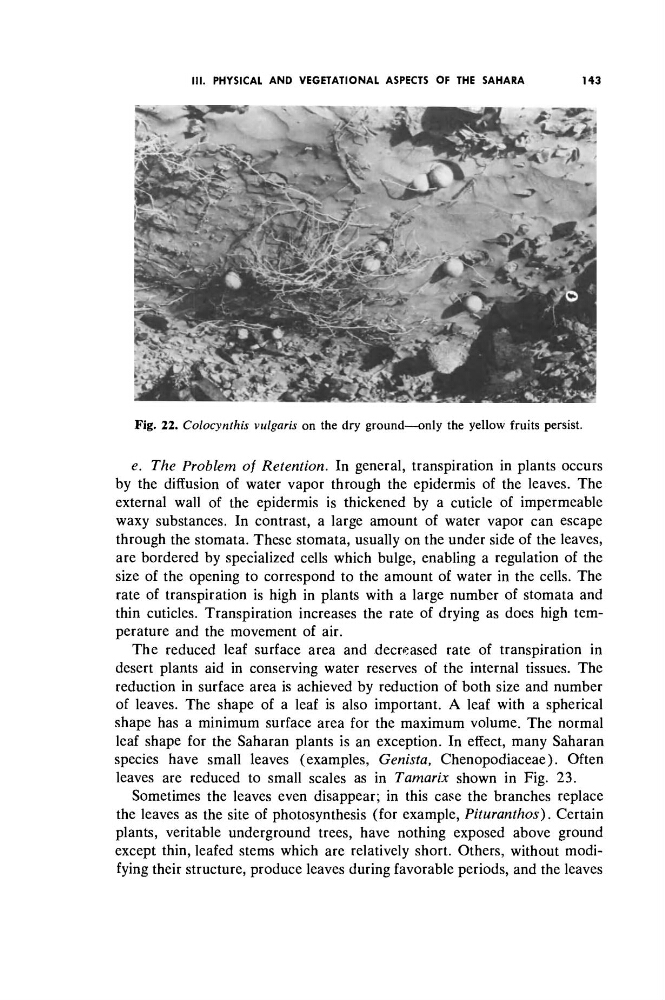
Fig. 22. Colocynthis vulgaris on the dry ground—only the yellow fruits persist.
e. The Problem of Retention. In general, transpiration in plants occurs
by the diffusion of water vapor through the epidermis of the leaves. The
external wall of the epidermis is thickened by a cuticle of impermeable
waxy substances. In contrast, a large amount of water vapor can escape
through the stomata. These stomata, usually on the under side of the leaves,
are bordered by specialized cells which bulge, enabling a regulation of the
size of the opening to correspond to the amount of water in the cells. The
rate of transpiration is high in plants with a large number of stomata and
thin cuticles. Transpiration increases the rate of drying as does high temperature and the movement of air.
The reduced leaf surface area and decreased rate of transpiration in
desert plants aid in conserving water reserves of the internal tissues. The
reduction in surface area is achieved by reduction of both size and number
of leaves. The shape of a leaf is also important. A leaf with a spherical
shape has a minimum surface area for the maximum volume. The normal
leaf shape for the Saharan plants is an exception. In effect, many Saharan
species have small leaves (examples, Genista, Chenopodiaceae). Often
leaves are reduced to small scales as in Tamarix shown in Fig. 23.
Sometimes the leaves even disappear; in this case the branches replace
the leaves as the site of photosynthesis (for example, Pituranthos). Certain
plants, veritable underground trees, have nothing exposed above ground
except thin, leafed stems which are relatively short. Others, without modifying their structure, produce leaves during favorable periods, and the leaves
143
Fig. 22. Colocynthis vulgaris on the dry ground—only the yellow fruits persist.
e. The Problem of Retention. In general, transpiration in plants occurs
by the diffusion of water vapor through the epidermis of the leaves. The
external wall of the epidermis is thickened by a cuticle of impermeable
waxy substances. In contrast, a large amount of water vapor can escape
through the stomata. These stomata, usually on the under side of the leaves,
are bordered by specialized cells which bulge, enabling a regulation of the
size of the opening to correspond to the amount of water in the cells. The
rate of transpiration is high in plants with a large number of stomata and
thin cuticles. Transpiration increases the rate of drying as does high temperature and the movement of air.
The reduced leaf surface area and decreased rate of transpiration in
desert plants aid in conserving water reserves of the internal tissues. The
reduction in surface area is achieved by reduction of both size and number
of leaves. The shape of a leaf is also important. A leaf with a spherical
shape has a minimum surface area for the maximum volume. The normal
leaf shape for the Saharan plants is an exception. In effect, many Saharan
species have small leaves (examples, Genista, Chenopodiaceae). Often
leaves are reduced to small scales as in Tamarix shown in Fig. 23.
Sometimes the leaves even disappear; in this case the branches replace
the leaves as the site of photosynthesis (for example, Pituranthos). Certain
plants, veritable underground trees, have nothing exposed above ground
except thin, leafed stems which are relatively short. Others, without modifying their structure, produce leaves during favorable periods, and the leaves