

142
CLAUDE J. GRENOT
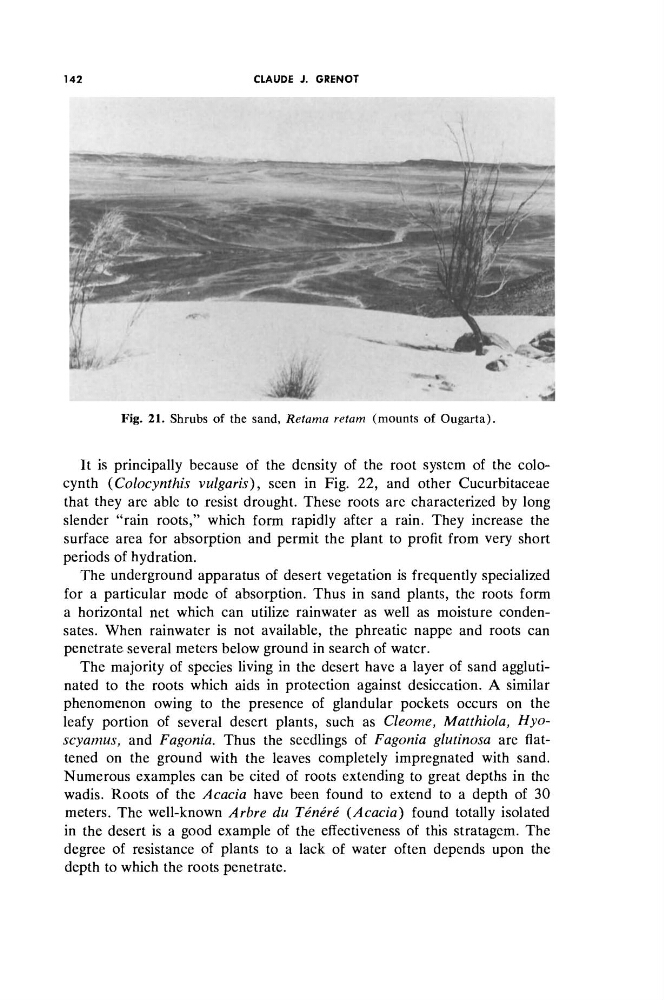
Fig. 21. Shrubs of the sand, Rétama retam (mounts of Ougarta).
It is principally because of the density of the root system of the colocynth (Colocynthis vulgaris), seen in Fig. 22, and other Cucurbitaceae
that they are able to resist drought. These roots are characterized by long
slender "rain roots," which form rapidly after a rain. They increase the
surface area for absorption and permit the plant to profit from very short
periods of hydration.
The underground apparatus of desert vegetation is frequently specialized
for a particular mode of absorption. Thus in sand plants, the roots form
a horizontal net which can utilize rainwater as well as moisture condensates. When rainwater is not available, the phreatic nappe and roots can
penetrate several meters below ground in search of water.
The majority of species living in the desert have a layer of sand agglutinated to the roots which aids in protection against desiccation. A similar
phenomenon owing to the presence of glandular pockets occurs on the
leafy portion of several desert plants, such as Cleome, Matthiola, Hyoscyamus, and Fagonia. Thus the seedlings of Fagonia glutinosa are flattened on the ground with the leaves completely impregnated with sand.
Numerous examples can be cited of roots extending to great depths in the
wadis. Roots of the Acacia have been found to extend to a depth of 30
meters. The well-known Arbre du Ténéré {Acacia) found totally isolated
in the desert is a good example of the effectiveness of this stratagem. The
degree of resistance of plants to a lack of water often depends upon the
depth to which the roots penetrate.
CLAUDE J. GRENOT
Fig. 21. Shrubs of the sand, Rétama retam (mounts of Ougarta).
It is principally because of the density of the root system of the colocynth (Colocynthis vulgaris), seen in Fig. 22, and other Cucurbitaceae
that they are able to resist drought. These roots are characterized by long
slender "rain roots," which form rapidly after a rain. They increase the
surface area for absorption and permit the plant to profit from very short
periods of hydration.
The underground apparatus of desert vegetation is frequently specialized
for a particular mode of absorption. Thus in sand plants, the roots form
a horizontal net which can utilize rainwater as well as moisture condensates. When rainwater is not available, the phreatic nappe and roots can
penetrate several meters below ground in search of water.
The majority of species living in the desert have a layer of sand agglutinated to the roots which aids in protection against desiccation. A similar
phenomenon owing to the presence of glandular pockets occurs on the
leafy portion of several desert plants, such as Cleome, Matthiola, Hyoscyamus, and Fagonia. Thus the seedlings of Fagonia glutinosa are flattened on the ground with the leaves completely impregnated with sand.
Numerous examples can be cited of roots extending to great depths in the
wadis. Roots of the Acacia have been found to extend to a depth of 30
meters. The well-known Arbre du Ténéré {Acacia) found totally isolated
in the desert is a good example of the effectiveness of this stratagem. The
degree of resistance of plants to a lack of water often depends upon the
depth to which the roots penetrate.