

Mesozoic reptile
most successful groups of land animals?
The most strongly supported hypothesis
proposes that about 65 million years ago
our planet was struck by a large carbonaceous meteorite, a relic from
the formation of the solar system.
The errant mass of rock was
approximately 10 kilometers in
diameter and was traveling at
about 90,000 kilometers per
hour at the time of impact. It
collided with the southern portion of North America in a
shallow tropical sea—now
Mexico’ s Yucatan Peninsula
(FIGURE 19.35). The energy
released by the impact is estimated to have been equivalent
to 100 million megatons
(
) of explosives.
Following the impact, suspended dust greatly reduced
the amount of sunlight reaching Earth’ s surface, which
resulted in global cooling
(“impact winter”), and
inhibited photosynthesis, disrupting food production. Long
after the dust settled, carbon
dioxide, water vapor, and sulfur oxides, added to the atmosphere by the blast, remained.
mega = million
485
Mesozoic Era: Age of the Dinosaurs
Demise of the Dinosaurs
The boundaries between divisions on the
geologic time scale represent times of
significant geological and/or biological
change. Of special interest is the boundary
between the Mesozoic era (“middle life”)
and the Cenozoic era (“recent life”), about
65 million years ago. During this transition
about three quarters of all plant and animal
species died out in a mass extinction. This
boundary marks the end of the era in
which dinosaurs and other reptiles dominated the landscape and the beginning of
the era when mammals assumed that role
(FIGURE 19.34). Because the last period of
the Mesozoic is the Cretaceous (abbreviated
K to avoid confusion with other “C” periods), and the first period of the Cenozoic is
the Tertiary (abbreviated T), the time of this
mass extinction is called the
Cretaceous–Tertiary, or KT, boundary.*
The extinction of the dinosaurs is generally attributed to their collective inability
to adapt to radical change in environmental
conditions. What event could have triggered the rapid extinction of one of the
*The term Paleogene is now the preferred name for
the first period of the Cenozoic era (see Figure
19.3). However, when this discovery was made,
Tertiary was still widely used.
FIGURE 19.33 Fossil skull of a
huge crocodile of Mesozoic age.
(Photo courtesy of Project
Exploration)
D I D Y O U K N O W ?
Dinosaurs were not the only
large animals to roam Earth
in the distant past. One
example is a crocodile
known as Sarcosuchus
imperator. This huge river
dweller weighed 8 metric
tons (more than 17,600
pounds!) and was about
12 meters (40 feet) long—
as long as Tyrannosaurus rex
and much heavier. Its jaws
were roughly as long as an
adult human is tall.
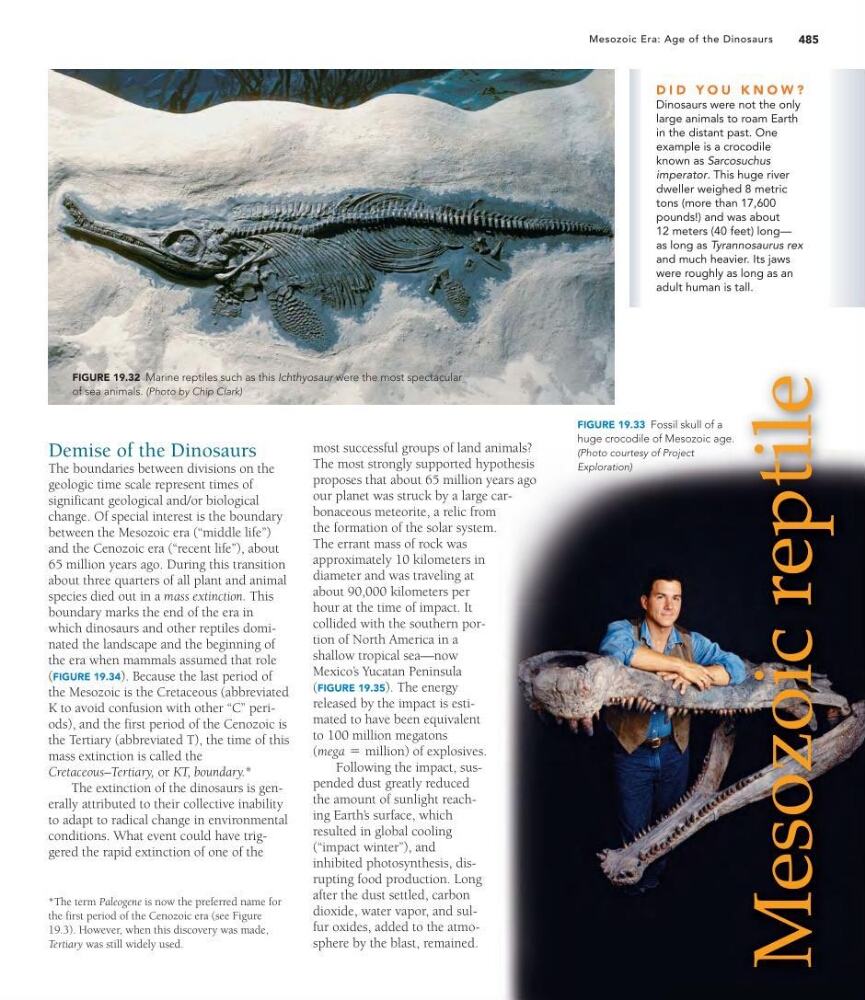
FIGURE 19.32 Marine reptiles such as this Ichthyosaur were the most spectacular
of sea animals. (Photo by Chip Clark)
most successful groups of land animals?
The most strongly supported hypothesis
proposes that about 65 million years ago
our planet was struck by a large carbonaceous meteorite, a relic from
the formation of the solar system.
The errant mass of rock was
approximately 10 kilometers in
diameter and was traveling at
about 90,000 kilometers per
hour at the time of impact. It
collided with the southern portion of North America in a
shallow tropical sea—now
Mexico’ s Yucatan Peninsula
(FIGURE 19.35). The energy
released by the impact is estimated to have been equivalent
to 100 million megatons
(
) of explosives.
Following the impact, suspended dust greatly reduced
the amount of sunlight reaching Earth’ s surface, which
resulted in global cooling
(“impact winter”), and
inhibited photosynthesis, disrupting food production. Long
after the dust settled, carbon
dioxide, water vapor, and sulfur oxides, added to the atmosphere by the blast, remained.
mega = million
485
Mesozoic Era: Age of the Dinosaurs
Demise of the Dinosaurs
The boundaries between divisions on the
geologic time scale represent times of
significant geological and/or biological
change. Of special interest is the boundary
between the Mesozoic era (“middle life”)
and the Cenozoic era (“recent life”), about
65 million years ago. During this transition
about three quarters of all plant and animal
species died out in a mass extinction. This
boundary marks the end of the era in
which dinosaurs and other reptiles dominated the landscape and the beginning of
the era when mammals assumed that role
(FIGURE 19.34). Because the last period of
the Mesozoic is the Cretaceous (abbreviated
K to avoid confusion with other “C” periods), and the first period of the Cenozoic is
the Tertiary (abbreviated T), the time of this
mass extinction is called the
Cretaceous–Tertiary, or KT, boundary.*
The extinction of the dinosaurs is generally attributed to their collective inability
to adapt to radical change in environmental
conditions. What event could have triggered the rapid extinction of one of the
*The term Paleogene is now the preferred name for
the first period of the Cenozoic era (see Figure
19.3). However, when this discovery was made,
Tertiary was still widely used.
FIGURE 19.33 Fossil skull of a
huge crocodile of Mesozoic age.
(Photo courtesy of Project
Exploration)
D I D Y O U K N O W ?
Dinosaurs were not the only
large animals to roam Earth
in the distant past. One
example is a crocodile
known as Sarcosuchus
imperator. This huge river
dweller weighed 8 metric
tons (more than 17,600
pounds!) and was about
12 meters (40 feet) long—
as long as Tyrannosaurus rex
and much heavier. Its jaws
were roughly as long as an
adult human is tall.
FIGURE 19.32 Marine reptiles such as this Ichthyosaur were the most spectacular
of sea animals. (Photo by Chip Clark)