

radiation, which is particularly harmful to
DNA. Marine organisms had always been
shielded from ultraviolet radiation by the
oceans, but the development of the atmosphere’ s protective ozone layer made the
continents more hospitable.
Evolution of the Oceans
About 4 billion years ago, as much as 90
percent of the current volume of seawater
was contained in the ocean basins. Because
the primitive atmosphere was rich in carbon dioxide, sulfur dioxide, and hydrogen
sulfide, the earliest rainwater was highly
acidic—to an even greater degree than the
acid rain that damaged lakes and streams in
eastern North America during the latter
part of the 20th century. Consequently,
Earth’ s rocky surface weathered at an
accelerated rate. The products released by
chemical weathering included atoms and
molecules of various substances, including
sodium, calcium, potassium, and silica,
that were carried into the newly formed
oceans. Some of these dissolved substances
precipitated to become chemical sediment
that mantled the ocean floor. Other
substances formed soluble salts, which
increased the salinity of seawater. Research
suggests that the salinity of the oceans
increased rapidly at first but has remained
constant over the last two billion years.
Earth’ s oceans also serve as a depository for tremendous volumes of carbon
dioxide, a major constituent in the primitive atmosphere. This is significant because
carbon dioxide is a greenhouse gas that
strongly influences the heating of the
atmosphere. Venus, once thought to be
very similar to Earth, has an atmosphere
composed of 97 percent carbon dioxide
that produced a “runaway” greenhouse
effect. As a result, its surface temperature
is 475 ºC (900 ºF).
Carbon dioxide is readily soluble in
seawater where it often joins other atoms
or molecules to produce various chemical
precipitates. The most common compound
generated by this process is calcium
carbonate (CaCO 3 ), which makes up
limestone, the most abundant chemical
sedimentary rock. About 542 million
years ago, marine organisms began to
extract calcium carbonate from seawater to
make their shells and other hard parts.
468
D I D Y O U K N O W ?
The earliest evidence for life on Earth
comes from hydrocarbon residues of
bacteria (prokaryotes) in metamorphosed sedimentary rocks in Greenland
and date from about 3.8 billion years
ago.
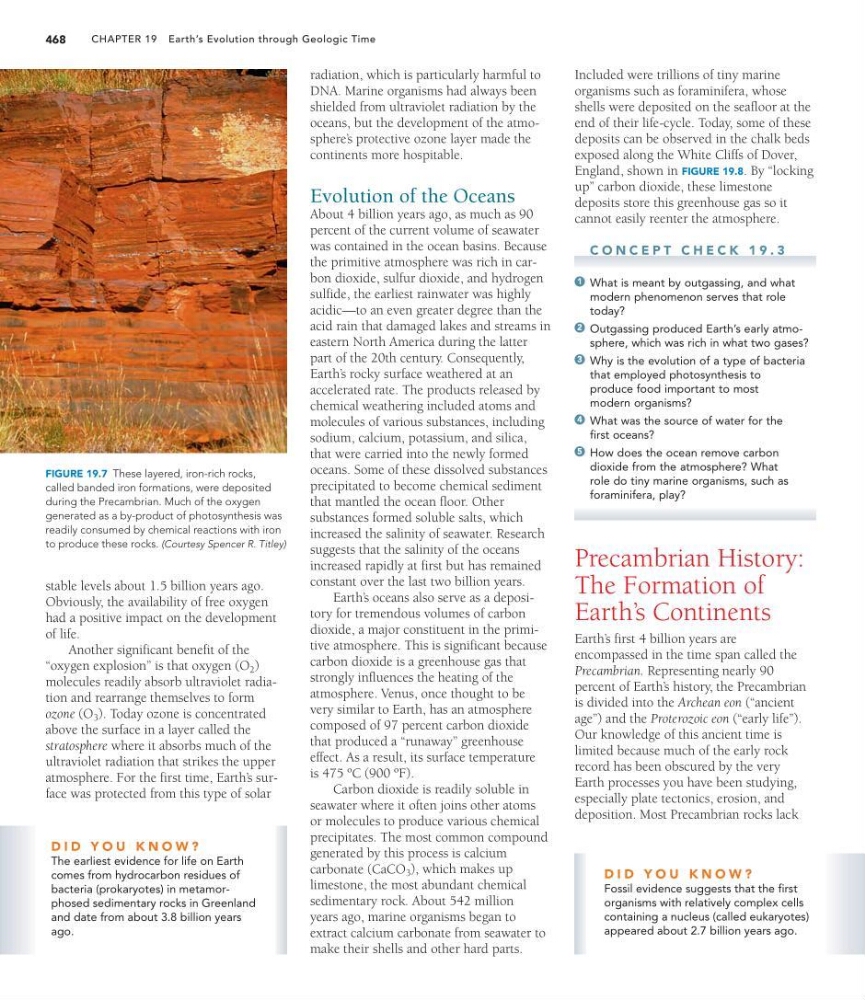
FIGURE 19.7 These layered, iron-rich rocks,
called banded iron formations, were deposited
during the Precambrian. Much of the oxygen
generated as a by-product of photosynthesis was
readily consumed by chemical reactions with iron
to produce these rocks. (Courtesy Spencer R. Titley)
stable levels about 1.5 billion years ago.
Obviously, the availability of free oxygen
had a positive impact on the development
of life.
Another significant benefit of the
“oxygen explosion” is that oxygen (O 2 )
molecules readily absorb ultraviolet radiation and rearrange themselves to form
ozone (O 3 ). Today ozone is concentrated
above the surface in a layer called the
stratosphere where it absorbs much of the
ultraviolet radiation that strikes the upper
atmosphere. For the first time, Earth’ s surface was protected from this type of solar
Included were trillions of tiny marine
organisms such as foraminifera, whose
shells were deposited on the seafloor at the
end of their life-cycle. Today, some of these
deposits can be observed in the chalk beds
exposed along the White Cliffs of Dover,
England, shown in FIGURE 19.8. By “locking
up” carbon dioxide, these limestone
deposits store this greenhouse gas so it
cannot easily reenter the atmosphere.
C O N C E P T C H E C K 1 9 . 3
What is meant by outgassing, and what
modern phenomenon serves that role
today?
Outgassing produced Earth’s early atmosphere, which was rich in what two gases?
Why is the evolution of a type of bacteria
that employed photosynthesis to
produce food important to most
modern organisms?
What was the source of water for the
first oceans?
How does the ocean remove carbon
dioxide from the atmosphere? What
role do tiny marine organisms, such as
foraminifera, play?
Precambrian History:
The Formation of
Earth’ s Continents
Earth’ s first 4 billion years are
encompassed in the time span called the
Precambrian. Representing nearly 90
percent of Earth’ s history, the Precambrian
is divided into the Archean eon (“ancient
age”) and the Proterozoic eon (“early life”).
Our knowledge of this ancient time is
limited because much of the early rock
record has been obscured by the very
Earth processes you have been studying,
especially plate tectonics, erosion, and
deposition. Most Precambrian rocks lack
5
4
3
2
1
D I D Y O U K N O W ?
Fossil evidence suggests that the first
organisms with relatively complex cells
containing a nucleus (called eukaryotes)
appeared about 2.7 billion years ago.
CHAPTER 19 Earth’s Evolution through Geologic Time
DNA. Marine organisms had always been
shielded from ultraviolet radiation by the
oceans, but the development of the atmosphere’ s protective ozone layer made the
continents more hospitable.
Evolution of the Oceans
About 4 billion years ago, as much as 90
percent of the current volume of seawater
was contained in the ocean basins. Because
the primitive atmosphere was rich in carbon dioxide, sulfur dioxide, and hydrogen
sulfide, the earliest rainwater was highly
acidic—to an even greater degree than the
acid rain that damaged lakes and streams in
eastern North America during the latter
part of the 20th century. Consequently,
Earth’ s rocky surface weathered at an
accelerated rate. The products released by
chemical weathering included atoms and
molecules of various substances, including
sodium, calcium, potassium, and silica,
that were carried into the newly formed
oceans. Some of these dissolved substances
precipitated to become chemical sediment
that mantled the ocean floor. Other
substances formed soluble salts, which
increased the salinity of seawater. Research
suggests that the salinity of the oceans
increased rapidly at first but has remained
constant over the last two billion years.
Earth’ s oceans also serve as a depository for tremendous volumes of carbon
dioxide, a major constituent in the primitive atmosphere. This is significant because
carbon dioxide is a greenhouse gas that
strongly influences the heating of the
atmosphere. Venus, once thought to be
very similar to Earth, has an atmosphere
composed of 97 percent carbon dioxide
that produced a “runaway” greenhouse
effect. As a result, its surface temperature
is 475 ºC (900 ºF).
Carbon dioxide is readily soluble in
seawater where it often joins other atoms
or molecules to produce various chemical
precipitates. The most common compound
generated by this process is calcium
carbonate (CaCO 3 ), which makes up
limestone, the most abundant chemical
sedimentary rock. About 542 million
years ago, marine organisms began to
extract calcium carbonate from seawater to
make their shells and other hard parts.
468
D I D Y O U K N O W ?
The earliest evidence for life on Earth
comes from hydrocarbon residues of
bacteria (prokaryotes) in metamorphosed sedimentary rocks in Greenland
and date from about 3.8 billion years
ago.
FIGURE 19.7 These layered, iron-rich rocks,
called banded iron formations, were deposited
during the Precambrian. Much of the oxygen
generated as a by-product of photosynthesis was
readily consumed by chemical reactions with iron
to produce these rocks. (Courtesy Spencer R. Titley)
stable levels about 1.5 billion years ago.
Obviously, the availability of free oxygen
had a positive impact on the development
of life.
Another significant benefit of the
“oxygen explosion” is that oxygen (O 2 )
molecules readily absorb ultraviolet radiation and rearrange themselves to form
ozone (O 3 ). Today ozone is concentrated
above the surface in a layer called the
stratosphere where it absorbs much of the
ultraviolet radiation that strikes the upper
atmosphere. For the first time, Earth’ s surface was protected from this type of solar
Included were trillions of tiny marine
organisms such as foraminifera, whose
shells were deposited on the seafloor at the
end of their life-cycle. Today, some of these
deposits can be observed in the chalk beds
exposed along the White Cliffs of Dover,
England, shown in FIGURE 19.8. By “locking
up” carbon dioxide, these limestone
deposits store this greenhouse gas so it
cannot easily reenter the atmosphere.
C O N C E P T C H E C K 1 9 . 3
What is meant by outgassing, and what
modern phenomenon serves that role
today?
Outgassing produced Earth’s early atmosphere, which was rich in what two gases?
Why is the evolution of a type of bacteria
that employed photosynthesis to
produce food important to most
modern organisms?
What was the source of water for the
first oceans?
How does the ocean remove carbon
dioxide from the atmosphere? What
role do tiny marine organisms, such as
foraminifera, play?
Precambrian History:
The Formation of
Earth’ s Continents
Earth’ s first 4 billion years are
encompassed in the time span called the
Precambrian. Representing nearly 90
percent of Earth’ s history, the Precambrian
is divided into the Archean eon (“ancient
age”) and the Proterozoic eon (“early life”).
Our knowledge of this ancient time is
limited because much of the early rock
record has been obscured by the very
Earth processes you have been studying,
especially plate tectonics, erosion, and
deposition. Most Precambrian rocks lack
5
4
3
2
1
D I D Y O U K N O W ?
Fossil evidence suggests that the first
organisms with relatively complex cells
containing a nucleus (called eukaryotes)
appeared about 2.7 billion years ago.
CHAPTER 19 Earth’s Evolution through Geologic Time