

outgassing
467
Origin of the Atmosphere and Oceans
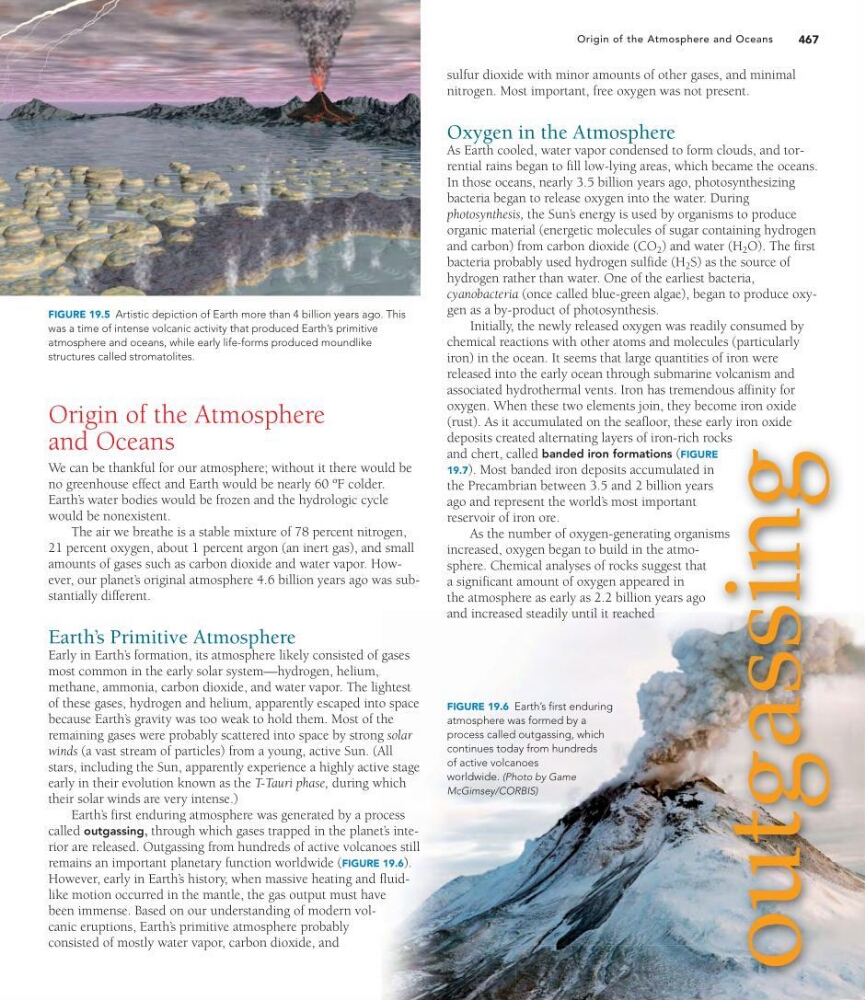
FIGURE 19.5 Artistic depiction of Earth more than 4 billion years ago. This
was a time of intense volcanic activity that produced Earth’s primitive
atmosphere and oceans, while early life-forms produced moundlike
structures called stromatolites.
Origin of the Atmosphere
and Oceans
We can be thankful for our atmosphere; without it there would be
no greenhouse effect and Earth would be nearly 60 ºF colder.
Earth’ s water bodies would be frozen and the hydrologic cycle
would be nonexistent.
The air we breathe is a stable mixture of 78 percent nitrogen,
21 percent oxygen, about 1 percent argon (an inert gas), and small
amounts of gases such as carbon dioxide and water vapor. However, our planet’ s original atmosphere 4.6 billion years ago was substantially different.
Earth’ s Primitive Atmosphere
Early in Earth’ s formation, its atmosphere likely consisted of gases
most common in the early solar system—hydrogen, helium,
methane, ammonia, carbon dioxide, and water vapor. The lightest
of these gases, hydrogen and helium, apparently escaped into space
because Earth’ s gravity was too weak to hold them. Most of the
remaining gases were probably scattered into space by strong solar
winds (a vast stream of particles) from a young, active Sun. (All
stars, including the Sun, apparently experience a highly active stage
early in their evolution known as the T-Tauri phase, during which
their solar winds are very intense.)
Earth’ s first enduring atmosphere was generated by a process
called outgassing, through which gases trapped in the planet’ s interior are released. Outgassing from hundreds of active volcanoes still
remains an important planetary function worldwide (FIGURE 19.6).
However, early in Earth’ s history, when massive heating and fluidlike motion occurred in the mantle, the gas output must have
been immense. Based on our understanding of modern volcanic eruptions, Earth’ s primitive atmosphere probably
consisted of mostly water vapor, carbon dioxide, and
FIGURE 19.6 Earth’s first enduring
atmosphere was formed by a
process called outgassing, which
continues today from hundreds
of active volcanoes
worldwide. (Photo by Game
McGimsey/CORBIS)
sulfur dioxide with minor amounts of other gases, and minimal
nitrogen. Most important, free oxygen was not present.
Oxygen in the Atmosphere
As Earth cooled, water vapor condensed to form clouds, and torrential rains began to fill low-lying areas, which became the oceans.
In those oceans, nearly 3.5 billion years ago, photosynthesizing
bacteria began to release oxygen into the water. During
photosynthesis, the Sun’ s energy is used by organisms to produce
organic material (energetic molecules of sugar containing hydrogen
and carbon) from carbon dioxide (CO 2 ) and water (H 2 O). The first
bacteria probably used hydrogen sulfide (H 2 S) as the source of
hydrogen rather than water. One of the earliest bacteria,
cyanobacteria (once called blue-green algae), began to produce oxygen as a by-product of photosynthesis.
Initially, the newly released oxygen was readily consumed by
chemical reactions with other atoms and molecules (particularly
iron) in the ocean. It seems that large quantities of iron were
released into the early ocean through submarine volcanism and
associated hydrothermal vents. Iron has tremendous affinity for
oxygen. When these two elements join, they become iron oxide
(rust). As it accumulated on the seafloor, these early iron oxide
deposits created alternating layers of iron-rich rocks
and chert, called banded iron formations (FIGURE
19.7). Most banded iron deposits accumulated in
the Precambrian between 3.5 and 2 billion years
ago and represent the world’ s most important
reservoir of iron ore.
As the number of oxygen-generating organisms
increased, oxygen began to build in the atmosphere. Chemical analyses of rocks suggest that
a significant amount of oxygen appeared in
the atmosphere as early as 2.2 billion years ago
and increased steadily until it reached
467
Origin of the Atmosphere and Oceans
FIGURE 19.5 Artistic depiction of Earth more than 4 billion years ago. This
was a time of intense volcanic activity that produced Earth’s primitive
atmosphere and oceans, while early life-forms produced moundlike
structures called stromatolites.
Origin of the Atmosphere
and Oceans
We can be thankful for our atmosphere; without it there would be
no greenhouse effect and Earth would be nearly 60 ºF colder.
Earth’ s water bodies would be frozen and the hydrologic cycle
would be nonexistent.
The air we breathe is a stable mixture of 78 percent nitrogen,
21 percent oxygen, about 1 percent argon (an inert gas), and small
amounts of gases such as carbon dioxide and water vapor. However, our planet’ s original atmosphere 4.6 billion years ago was substantially different.
Earth’ s Primitive Atmosphere
Early in Earth’ s formation, its atmosphere likely consisted of gases
most common in the early solar system—hydrogen, helium,
methane, ammonia, carbon dioxide, and water vapor. The lightest
of these gases, hydrogen and helium, apparently escaped into space
because Earth’ s gravity was too weak to hold them. Most of the
remaining gases were probably scattered into space by strong solar
winds (a vast stream of particles) from a young, active Sun. (All
stars, including the Sun, apparently experience a highly active stage
early in their evolution known as the T-Tauri phase, during which
their solar winds are very intense.)
Earth’ s first enduring atmosphere was generated by a process
called outgassing, through which gases trapped in the planet’ s interior are released. Outgassing from hundreds of active volcanoes still
remains an important planetary function worldwide (FIGURE 19.6).
However, early in Earth’ s history, when massive heating and fluidlike motion occurred in the mantle, the gas output must have
been immense. Based on our understanding of modern volcanic eruptions, Earth’ s primitive atmosphere probably
consisted of mostly water vapor, carbon dioxide, and
FIGURE 19.6 Earth’s first enduring
atmosphere was formed by a
process called outgassing, which
continues today from hundreds
of active volcanoes
worldwide. (Photo by Game
McGimsey/CORBIS)
sulfur dioxide with minor amounts of other gases, and minimal
nitrogen. Most important, free oxygen was not present.
Oxygen in the Atmosphere
As Earth cooled, water vapor condensed to form clouds, and torrential rains began to fill low-lying areas, which became the oceans.
In those oceans, nearly 3.5 billion years ago, photosynthesizing
bacteria began to release oxygen into the water. During
photosynthesis, the Sun’ s energy is used by organisms to produce
organic material (energetic molecules of sugar containing hydrogen
and carbon) from carbon dioxide (CO 2 ) and water (H 2 O). The first
bacteria probably used hydrogen sulfide (H 2 S) as the source of
hydrogen rather than water. One of the earliest bacteria,
cyanobacteria (once called blue-green algae), began to produce oxygen as a by-product of photosynthesis.
Initially, the newly released oxygen was readily consumed by
chemical reactions with other atoms and molecules (particularly
iron) in the ocean. It seems that large quantities of iron were
released into the early ocean through submarine volcanism and
associated hydrothermal vents. Iron has tremendous affinity for
oxygen. When these two elements join, they become iron oxide
(rust). As it accumulated on the seafloor, these early iron oxide
deposits created alternating layers of iron-rich rocks
and chert, called banded iron formations (FIGURE
19.7). Most banded iron deposits accumulated in
the Precambrian between 3.5 and 2 billion years
ago and represent the world’ s most important
reservoir of iron ore.
As the number of oxygen-generating organisms
increased, oxygen began to build in the atmosphere. Chemical analyses of rocks suggest that
a significant amount of oxygen appeared in
the atmosphere as early as 2.2 billion years ago
and increased steadily until it reached