

463
Is Earth Unique?
The Right Location
One of the primary factors that determine whether a planet is
suitable for higher life-forms is its location in the solar system. The
following scenarios substantiate Earth’ s right position:
1. If Earth were about 10 percent closer to the Sun, like Venus,
our atmosphere would consist mainly of the greenhouse gas
carbon dioxide. As a result, Earth’ s surface temperature would
be too hot to support higher life-forms.
2. If Earth were about 10 percent farther from the Sun, the
problem would be reversed—it would be too cold. The
oceans would freeze over and Earth’ s active water cycle would
not exist. Without liquid water all life would perish.
3. Earth is near a star of modest size. Stars like the Sun have a
life span of roughly 10 billion years. During most of this time,
radiant energy is emitted at a fairly constant level. Giant stars,
on the other hand, consume their nuclear fuel at very high
rates and “burn out” in a few hundred million years. Therefore, Earth’ s proximity to a modest-sized star allowed enough
time for the evolution of humans, who first appeared on this
planet only a few million years ago.
The Right Time
The last, but certainly not the least, fortuitous factor is timing. The
first organisms to inhabit Earth were extremely primitive and came
into existence roughly 3.8 billion years ago. From this point in
Earth’ s history innumerable changes occurred—life-forms came
and went along with changes in the physical environment of our
planet. Two of many timely, Earth-altering events include:
1. The development of our modern atmosphere. Earth’ s primitive
atmosphere is thought to have been composed mostly of water
vapor and carbon dioxide, with small amounts of other gases,
but no free oxygen. Fortunately, microorganisms evolved
that released oxygen into the atmosphere by the process of
photosynthesis. About 2.2 billion years ago an atmosphere
with free oxygen came into existence. The result was the
evolution of the forebearers of the vast array of organisms that
occupy Earth today.
2. About 65 million years ago our planet was struck by an
asteroid 10 kilometers in diameter. This impact caused a mass
extinction during which nearly three-quarters of all plant
and animal species were obliterated—including dinosaurs
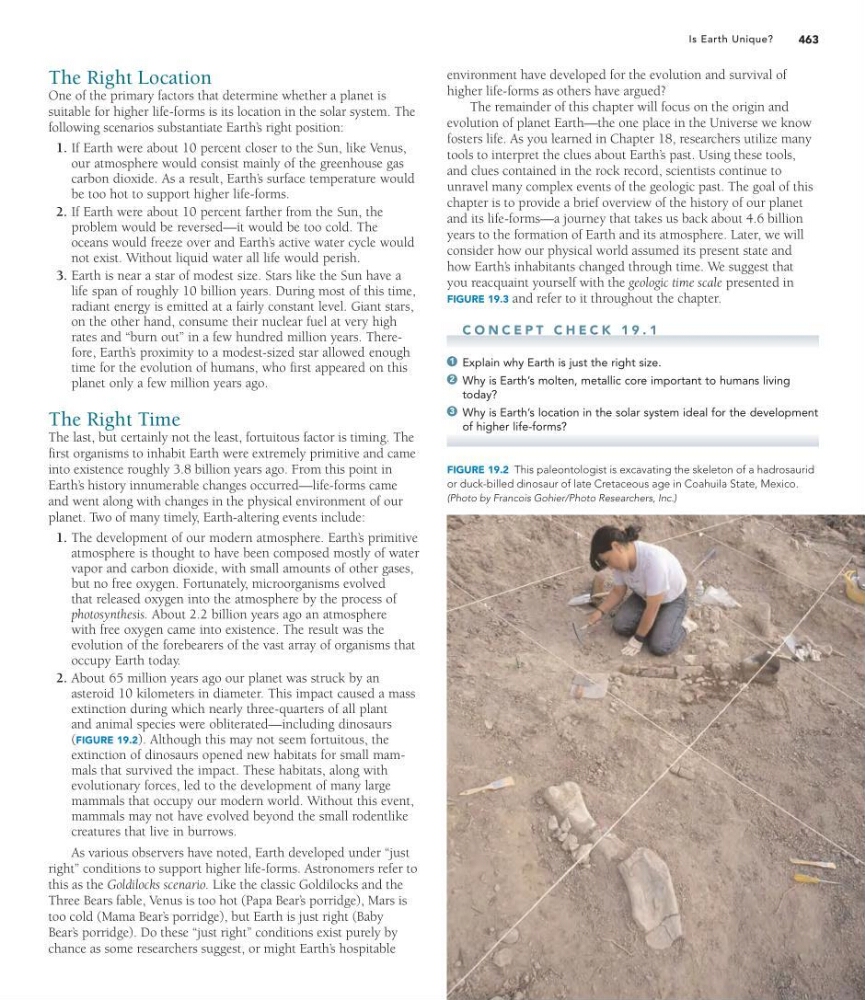
(FIGURE 19.2). Although this may not seem fortuitous, the
extinction of dinosaurs opened new habitats for small mammals that survived the impact. These habitats, along with
evolutionary forces, led to the development of many large
mammals that occupy our modern world. Without this event,
mammals may not have evolved beyond the small rodentlike
creatures that live in burrows.
As various observers have noted, Earth developed under “just
right” conditions to support higher life-forms. Astronomers refer to
this as the Goldilocks scenario. Like the classic Goldilocks and the
Three Bears fable, Venus is too hot (Papa Bear’ s porridge), Mars is
too cold (Mama Bear’ s porridge), but Earth is just right (Baby
Bear’ s porridge). Do these “just right” conditions exist purely by
chance as some researchers suggest, or might Earth’ s hospitable
environment have developed for the evolution and survival of
higher life-forms as others have argued?
The remainder of this chapter will focus on the origin and
evolution of planet Earth—the one place in the Universe we know
fosters life. As you learned in Chapter 18, researchers utilize many
tools to interpret the clues about Earth’ s past. Using these tools,
and clues contained in the rock record, scientists continue to
unravel many complex events of the geologic past. The goal of this
chapter is to provide a brief overview of the history of our planet
and its life-forms—a journey that takes us back about 4.6 billion
years to the formation of Earth and its atmosphere. Later, we will
consider how our physical world assumed its present state and
how Earth’ s inhabitants changed through time. We suggest that
you reacquaint yourself with the geologic time scale presented in
FIGURE 19.3 and refer to it throughout the chapter.
C O N C E P T C H E C K 1 9 . 1
Explain why Earth is just the right size.
Why is Earth’s molten, metallic core important to humans living
today?
Why is Earth’s location in the solar system ideal for the development
of higher life-forms?
3
2
1
FIGURE 19.2 This paleontologist is excavating the skeleton of a hadrosaurid
or duck-billed dinosaur of late Cretaceous age in Coahuila State, Mexico.
(Photo by Francois Gohier/Photo Researchers, Inc.)
Is Earth Unique?
The Right Location
One of the primary factors that determine whether a planet is
suitable for higher life-forms is its location in the solar system. The
following scenarios substantiate Earth’ s right position:
1. If Earth were about 10 percent closer to the Sun, like Venus,
our atmosphere would consist mainly of the greenhouse gas
carbon dioxide. As a result, Earth’ s surface temperature would
be too hot to support higher life-forms.
2. If Earth were about 10 percent farther from the Sun, the
problem would be reversed—it would be too cold. The
oceans would freeze over and Earth’ s active water cycle would
not exist. Without liquid water all life would perish.
3. Earth is near a star of modest size. Stars like the Sun have a
life span of roughly 10 billion years. During most of this time,
radiant energy is emitted at a fairly constant level. Giant stars,
on the other hand, consume their nuclear fuel at very high
rates and “burn out” in a few hundred million years. Therefore, Earth’ s proximity to a modest-sized star allowed enough
time for the evolution of humans, who first appeared on this
planet only a few million years ago.
The Right Time
The last, but certainly not the least, fortuitous factor is timing. The
first organisms to inhabit Earth were extremely primitive and came
into existence roughly 3.8 billion years ago. From this point in
Earth’ s history innumerable changes occurred—life-forms came
and went along with changes in the physical environment of our
planet. Two of many timely, Earth-altering events include:
1. The development of our modern atmosphere. Earth’ s primitive
atmosphere is thought to have been composed mostly of water
vapor and carbon dioxide, with small amounts of other gases,
but no free oxygen. Fortunately, microorganisms evolved
that released oxygen into the atmosphere by the process of
photosynthesis. About 2.2 billion years ago an atmosphere
with free oxygen came into existence. The result was the
evolution of the forebearers of the vast array of organisms that
occupy Earth today.
2. About 65 million years ago our planet was struck by an
asteroid 10 kilometers in diameter. This impact caused a mass
extinction during which nearly three-quarters of all plant
and animal species were obliterated—including dinosaurs
(FIGURE 19.2). Although this may not seem fortuitous, the
extinction of dinosaurs opened new habitats for small mammals that survived the impact. These habitats, along with
evolutionary forces, led to the development of many large
mammals that occupy our modern world. Without this event,
mammals may not have evolved beyond the small rodentlike
creatures that live in burrows.
As various observers have noted, Earth developed under “just
right” conditions to support higher life-forms. Astronomers refer to
this as the Goldilocks scenario. Like the classic Goldilocks and the
Three Bears fable, Venus is too hot (Papa Bear’ s porridge), Mars is
too cold (Mama Bear’ s porridge), but Earth is just right (Baby
Bear’ s porridge). Do these “just right” conditions exist purely by
chance as some researchers suggest, or might Earth’ s hospitable
environment have developed for the evolution and survival of
higher life-forms as others have argued?
The remainder of this chapter will focus on the origin and
evolution of planet Earth—the one place in the Universe we know
fosters life. As you learned in Chapter 18, researchers utilize many
tools to interpret the clues about Earth’ s past. Using these tools,
and clues contained in the rock record, scientists continue to
unravel many complex events of the geologic past. The goal of this
chapter is to provide a brief overview of the history of our planet
and its life-forms—a journey that takes us back about 4.6 billion
years to the formation of Earth and its atmosphere. Later, we will
consider how our physical world assumed its present state and
how Earth’ s inhabitants changed through time. We suggest that
you reacquaint yourself with the geologic time scale presented in
FIGURE 19.3 and refer to it throughout the chapter.
C O N C E P T C H E C K 1 9 . 1
Explain why Earth is just the right size.
Why is Earth’s molten, metallic core important to humans living
today?
Why is Earth’s location in the solar system ideal for the development
of higher life-forms?
3
2
1
FIGURE 19.2 This paleontologist is excavating the skeleton of a hadrosaurid
or duck-billed dinosaur of late Cretaceous age in Coahuila State, Mexico.
(Photo by Francois Gohier/Photo Researchers, Inc.)