

CHAPTER 19 Earth’s Evolution through Geologic Time
462
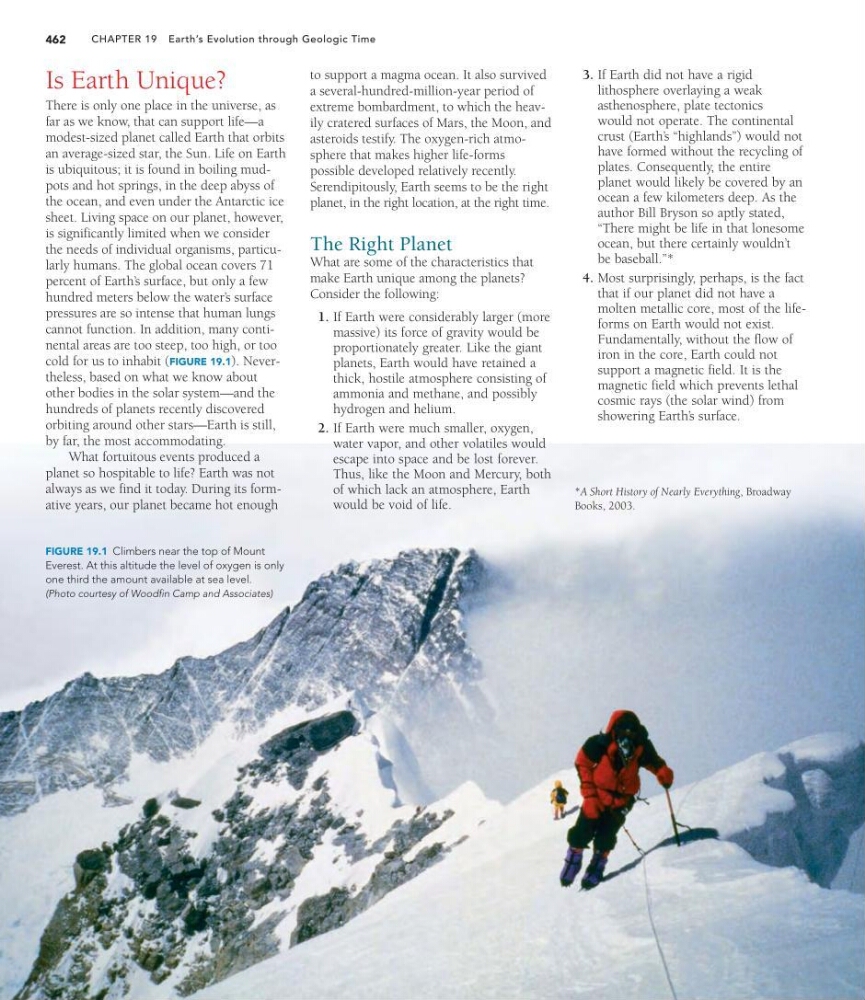
FIGURE 19.1 Climbers near the top of Mount
Everest. At this altitude the level of oxygen is only
one third the amount available at sea level.
(Photo courtesy of Woodfin Camp and Associates)
Is Earth Unique?
There is only one place in the universe, as
far as we know, that can support life—a
modest-sized planet called Earth that orbits
an average-sized star, the Sun. Life on Earth
is ubiquitous; it is found in boiling mudpots and hot springs, in the deep abyss of
the ocean, and even under the Antarctic ice
sheet. Living space on our planet, however,
is significantly limited when we consider
the needs of individual organisms, particularly humans. The global ocean covers 71
percent of Earth’ s surface, but only a few
hundred meters below the water’ s surface
pressures are so intense that human lungs
cannot function. In addition, many continental areas are too steep, too high, or too
cold for us to inhabit (FIGURE 19.1). Nevertheless, based on what we know about
other bodies in the solar system—and the
hundreds of planets recently discovered
orbiting around other stars—Earth is still,
by far, the most accommodating.
What fortuitous events produced a
planet so hospitable to life? Earth was not
always as we find it today. During its formative years, our planet became hot enough
to support a magma ocean. It also survived
a several-hundred-million-year period of
extreme bombardment, to which the heavily cratered surfaces of Mars, the Moon, and
asteroids testify. The oxygen-rich atmosphere that makes higher life-forms
possible developed relatively recently.
Serendipitously, Earth seems to be the right
planet, in the right location, at the right time.
The Right Planet
What are some of the characteristics that
make Earth unique among the planets?
Consider the following:
1. If Earth were considerably larger (more
massive) its force of gravity would be
proportionately greater. Like the giant
planets, Earth would have retained a
thick, hostile atmosphere consisting of
ammonia and methane, and possibly
hydrogen and helium.
2. If Earth were much smaller, oxygen,
water vapor, and other volatiles would
escape into space and be lost forever.
Thus, like the Moon and Mercury, both
of which lack an atmosphere, Earth
would be void of life.
3. If Earth did not have a rigid
lithosphere overlaying a weak
asthenosphere, plate tectonics
would not operate. The continental
crust (Earth’ s “highlands”) would not
have formed without the recycling of
plates. Consequently, the entire
planet would likely be covered by an
ocean a few kilometers deep. As the
author Bill Bryson so aptly stated,
“There might be life in that lonesome
ocean, but there certainly wouldn’t
be baseball.”*
4. Most surprisingly, perhaps, is the fact
that if our planet did not have a
molten metallic core, most of the lifeforms on Earth would not exist.
Fundamentally, without the flow of
iron in the core, Earth could not
support a magnetic field. It is the
magnetic field which prevents lethal
cosmic rays (the solar wind) from
showering Earth’ s surface.
*A Short History of Nearly Everything, Broadway
Books, 2003.
462
FIGURE 19.1 Climbers near the top of Mount
Everest. At this altitude the level of oxygen is only
one third the amount available at sea level.
(Photo courtesy of Woodfin Camp and Associates)
Is Earth Unique?
There is only one place in the universe, as
far as we know, that can support life—a
modest-sized planet called Earth that orbits
an average-sized star, the Sun. Life on Earth
is ubiquitous; it is found in boiling mudpots and hot springs, in the deep abyss of
the ocean, and even under the Antarctic ice
sheet. Living space on our planet, however,
is significantly limited when we consider
the needs of individual organisms, particularly humans. The global ocean covers 71
percent of Earth’ s surface, but only a few
hundred meters below the water’ s surface
pressures are so intense that human lungs
cannot function. In addition, many continental areas are too steep, too high, or too
cold for us to inhabit (FIGURE 19.1). Nevertheless, based on what we know about
other bodies in the solar system—and the
hundreds of planets recently discovered
orbiting around other stars—Earth is still,
by far, the most accommodating.
What fortuitous events produced a
planet so hospitable to life? Earth was not
always as we find it today. During its formative years, our planet became hot enough
to support a magma ocean. It also survived
a several-hundred-million-year period of
extreme bombardment, to which the heavily cratered surfaces of Mars, the Moon, and
asteroids testify. The oxygen-rich atmosphere that makes higher life-forms
possible developed relatively recently.
Serendipitously, Earth seems to be the right
planet, in the right location, at the right time.
The Right Planet
What are some of the characteristics that
make Earth unique among the planets?
Consider the following:
1. If Earth were considerably larger (more
massive) its force of gravity would be
proportionately greater. Like the giant
planets, Earth would have retained a
thick, hostile atmosphere consisting of
ammonia and methane, and possibly
hydrogen and helium.
2. If Earth were much smaller, oxygen,
water vapor, and other volatiles would
escape into space and be lost forever.
Thus, like the Moon and Mercury, both
of which lack an atmosphere, Earth
would be void of life.
3. If Earth did not have a rigid
lithosphere overlaying a weak
asthenosphere, plate tectonics
would not operate. The continental
crust (Earth’ s “highlands”) would not
have formed without the recycling of
plates. Consequently, the entire
planet would likely be covered by an
ocean a few kilometers deep. As the
author Bill Bryson so aptly stated,
“There might be life in that lonesome
ocean, but there certainly wouldn’t
be baseball.”*
4. Most surprisingly, perhaps, is the fact
that if our planet did not have a
molten metallic core, most of the lifeforms on Earth would not exist.
Fundamentally, without the flow of
iron in the core, Earth could not
support a magnetic field. It is the
magnetic field which prevents lethal
cosmic rays (the solar wind) from
showering Earth’ s surface.
*A Short History of Nearly Everything, Broadway
Books, 2003.