

CHAPTER 18 Geologic Time
446
A.
B.
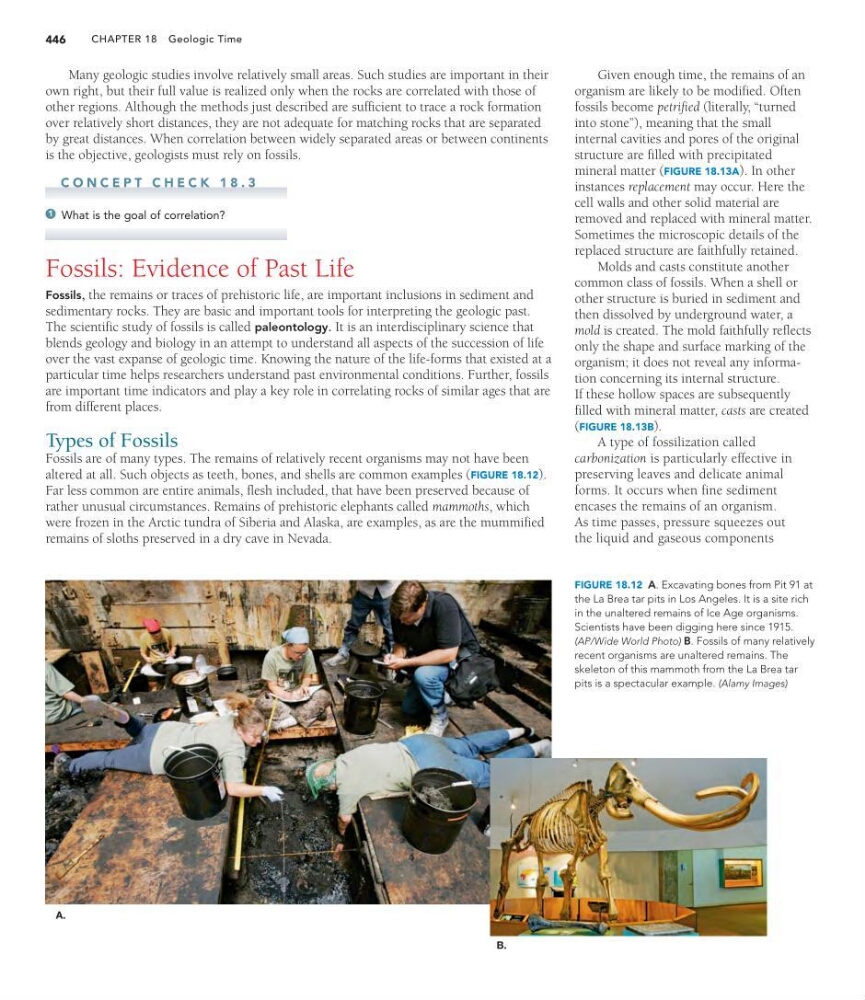
FIGURE 18.12 A. Excavating bones from Pit 91 at
the La Brea tar pits in Los Angeles. It is a site rich
in the unaltered remains of Ice Age organisms.
Scientists have been digging here since 1915.
(AP/Wide World Photo) B. Fossils of many relatively
recent organisms are unaltered remains. The
skeleton of this mammoth from the La Brea tar
pits is a spectacular example. (Alamy Images)
Many geologic studies involve relatively small areas. Such studies are important in their
own right, but their full value is realized only when the rocks are correlated with those of
other regions. Although the methods just described are sufficient to trace a rock formation
over relatively short distances, they are not adequate for matching rocks that are separated
by great distances. When correlation between widely separated areas or between continents
is the objective, geologists must rely on fossils.
C O N C E P T C H E C K 1 8 . 3
What is the goal of correlation?
Fossils: Evidence of Past Life
Fossils, the remains or traces of prehistoric life, are important inclusions in sediment and
sedimentary rocks. They are basic and important tools for interpreting the geologic past.
The scientific study of fossils is called paleontology. It is an interdisciplinary science that
blends geology and biology in an attempt to understand all aspects of the succession of life
over the vast expanse of geologic time. Knowing the nature of the life-forms that existed at a
particular time helps researchers understand past environmental conditions. Further, fossils
are important time indicators and play a key role in correlating rocks of similar ages that are
from different places.
Types of Fossils
Fossils are of many types. The remains of relatively recent organisms may not have been
altered at all. Such objects as teeth, bones, and shells are common examples (FIGURE 18.12).
Far less common are entire animals, flesh included, that have been preserved because of
rather unusual circumstances. Remains of prehistoric elephants called mammoths, which
were frozen in the Arctic tundra of Siberia and Alaska, are examples, as are the mummified
remains of sloths preserved in a dry cave in Nevada.
1
Given enough time, the remains of an
organism are likely to be modified. Often
fossils become petrified (literally, “turned
into stone”), meaning that the small
internal cavities and pores of the original
structure are filled with precipitated
mineral matter (FIGURE 18.13A). In other
instances replacement may occur. Here the
cell walls and other solid material are
removed and replaced with mineral matter.
Sometimes the microscopic details of the
replaced structure are faithfully retained.
Molds and casts constitute another
common class of fossils. When a shell or
other structure is buried in sediment and
then dissolved by underground water, a
mold is created. The mold faithfully reflects
only the shape and surface marking of the
organism; it does not reveal any information concerning its internal structure.
If these hollow spaces are subsequently
filled with mineral matter, casts are created
(FIGURE 18.13B).
A type of fossilization called
carbonization is particularly effective in
preserving leaves and delicate animal
forms. It occurs when fine sediment
encases the remains of an organism.
As time passes, pressure squeezes out
the liquid and gaseous components
446
A.
B.
FIGURE 18.12 A. Excavating bones from Pit 91 at
the La Brea tar pits in Los Angeles. It is a site rich
in the unaltered remains of Ice Age organisms.
Scientists have been digging here since 1915.
(AP/Wide World Photo) B. Fossils of many relatively
recent organisms are unaltered remains. The
skeleton of this mammoth from the La Brea tar
pits is a spectacular example. (Alamy Images)
Many geologic studies involve relatively small areas. Such studies are important in their
own right, but their full value is realized only when the rocks are correlated with those of
other regions. Although the methods just described are sufficient to trace a rock formation
over relatively short distances, they are not adequate for matching rocks that are separated
by great distances. When correlation between widely separated areas or between continents
is the objective, geologists must rely on fossils.
C O N C E P T C H E C K 1 8 . 3
What is the goal of correlation?
Fossils: Evidence of Past Life
Fossils, the remains or traces of prehistoric life, are important inclusions in sediment and
sedimentary rocks. They are basic and important tools for interpreting the geologic past.
The scientific study of fossils is called paleontology. It is an interdisciplinary science that
blends geology and biology in an attempt to understand all aspects of the succession of life
over the vast expanse of geologic time. Knowing the nature of the life-forms that existed at a
particular time helps researchers understand past environmental conditions. Further, fossils
are important time indicators and play a key role in correlating rocks of similar ages that are
from different places.
Types of Fossils
Fossils are of many types. The remains of relatively recent organisms may not have been
altered at all. Such objects as teeth, bones, and shells are common examples (FIGURE 18.12).
Far less common are entire animals, flesh included, that have been preserved because of
rather unusual circumstances. Remains of prehistoric elephants called mammoths, which
were frozen in the Arctic tundra of Siberia and Alaska, are examples, as are the mummified
remains of sloths preserved in a dry cave in Nevada.
1
Given enough time, the remains of an
organism are likely to be modified. Often
fossils become petrified (literally, “turned
into stone”), meaning that the small
internal cavities and pores of the original
structure are filled with precipitated
mineral matter (FIGURE 18.13A). In other
instances replacement may occur. Here the
cell walls and other solid material are
removed and replaced with mineral matter.
Sometimes the microscopic details of the
replaced structure are faithfully retained.
Molds and casts constitute another
common class of fossils. When a shell or
other structure is buried in sediment and
then dissolved by underground water, a
mold is created. The mold faithfully reflects
only the shape and surface marking of the
organism; it does not reveal any information concerning its internal structure.
If these hollow spaces are subsequently
filled with mineral matter, casts are created
(FIGURE 18.13B).
A type of fossilization called
carbonization is particularly effective in
preserving leaves and delicate animal
forms. It occurs when fine sediment
encases the remains of an organism.
As time passes, pressure squeezes out
the liquid and gaseous components