

CHAPTER 1 An Introduction to Geology
14
Noctilucent clouds
Earth’s surface
Top of troposphere
Altitude in kilometers (km)
160
140
120
100
80
60
40
20
0
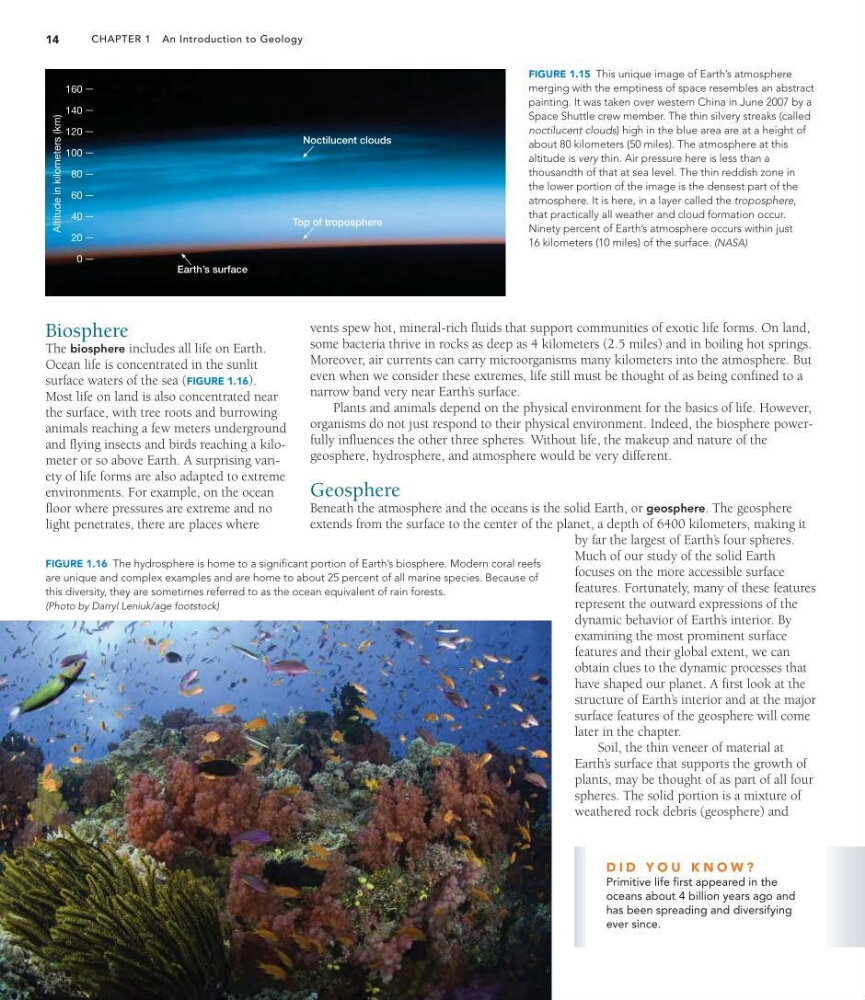
FIGURE 1.15 This unique image of Earth’s atmosphere
merging with the emptiness of space resembles an abstract
painting. It was taken over western China in June 2007 by a
Space Shuttle crew member. The thin silvery streaks (called
noctilucent clouds) high in the blue area are at a height of
about 80 kilometers (50 miles). The atmosphere at this
altitude is very thin. Air pressure here is less than a
thousandth of that at sea level. The thin reddish zone in
the lower portion of the image is the densest part of the
atmosphere. It is here, in a layer called the troposphere,
that practically all weather and cloud formation occur.
Ninety percent of Earth’s atmosphere occurs within just
16 kilometers (10 miles) of the surface. (NASA)
D I D Y O U K N O W ?
Primitive life first appeared in the
oceans about 4 billion years ago and
has been spreading and diversifying
ever since.
Biosphere
The biosphere includes all life on Earth.
Ocean life is concentrated in the sunlit
surface waters of the sea (FIGURE 1.16).
Most life on land is also concentrated near
the surface, with tree roots and burrowing
animals reaching a few meters underground
and flying insects and birds reaching a kilometer or so above Earth. A surprising variety of life forms are also adapted to extreme
environments. For example, on the ocean
floor where pressures are extreme and no
light penetrates, there are places where
vents spew hot, mineral-rich fluids that support communities of exotic life forms. On land,
some bacteria thrive in rocks as deep as 4 kilometers (2.5 miles) and in boiling hot springs.
Moreover, air currents can carry microorganisms many kilometers into the atmosphere. But
even when we consider these extremes, life still must be thought of as being confined to a
narrow band very near Earth’ s surface.
Plants and animals depend on the physical environment for the basics of life. However,
organisms do not just respond to their physical environment. Indeed, the biosphere powerfully influences the other three spheres. Without life, the makeup and nature of the
geosphere, hydrosphere, and atmosphere would be very different.
Geosphere
Beneath the atmosphere and the oceans is the solid Earth, or geosphere. The geosphere
extends from the surface to the center of the planet, a depth of 6400 kilometers, making it
by far the largest of Earth’ s four spheres.
Much of our study of the solid Earth
focuses on the more accessible surface
features. Fortunately, many of these features
represent the outward expressions of the
dynamic behavior of Earth’ s interior. By
examining the most prominent surface
features and their global extent, we can
obtain clues to the dynamic processes that
have shaped our planet. A first look at the
structure of Earth’ s interior and at the major
surface features of the geosphere will come
later in the chapter.
Soil, the thin veneer of material at
Earth’ s surface that supports the growth of
plants, may be thought of as part of all four
spheres. The solid portion is a mixture of
weathered rock debris (geosphere) and
FIGURE 1.16 The hydrosphere is home to a significant portion of Earth’s biosphere. Modern coral reefs
are unique and complex examples and are home to about 25 percent of all marine species. Because of
this diversity, they are sometimes referred to as the ocean equivalent of rain forests.
(Photo by Darryl Leniuk/age footstock)
14
Noctilucent clouds
Earth’s surface
Top of troposphere
Altitude in kilometers (km)
160
140
120
100
80
60
40
20
0
FIGURE 1.15 This unique image of Earth’s atmosphere
merging with the emptiness of space resembles an abstract
painting. It was taken over western China in June 2007 by a
Space Shuttle crew member. The thin silvery streaks (called
noctilucent clouds) high in the blue area are at a height of
about 80 kilometers (50 miles). The atmosphere at this
altitude is very thin. Air pressure here is less than a
thousandth of that at sea level. The thin reddish zone in
the lower portion of the image is the densest part of the
atmosphere. It is here, in a layer called the troposphere,
that practically all weather and cloud formation occur.
Ninety percent of Earth’s atmosphere occurs within just
16 kilometers (10 miles) of the surface. (NASA)
D I D Y O U K N O W ?
Primitive life first appeared in the
oceans about 4 billion years ago and
has been spreading and diversifying
ever since.
Biosphere
The biosphere includes all life on Earth.
Ocean life is concentrated in the sunlit
surface waters of the sea (FIGURE 1.16).
Most life on land is also concentrated near
the surface, with tree roots and burrowing
animals reaching a few meters underground
and flying insects and birds reaching a kilometer or so above Earth. A surprising variety of life forms are also adapted to extreme
environments. For example, on the ocean
floor where pressures are extreme and no
light penetrates, there are places where
vents spew hot, mineral-rich fluids that support communities of exotic life forms. On land,
some bacteria thrive in rocks as deep as 4 kilometers (2.5 miles) and in boiling hot springs.
Moreover, air currents can carry microorganisms many kilometers into the atmosphere. But
even when we consider these extremes, life still must be thought of as being confined to a
narrow band very near Earth’ s surface.
Plants and animals depend on the physical environment for the basics of life. However,
organisms do not just respond to their physical environment. Indeed, the biosphere powerfully influences the other three spheres. Without life, the makeup and nature of the
geosphere, hydrosphere, and atmosphere would be very different.
Geosphere
Beneath the atmosphere and the oceans is the solid Earth, or geosphere. The geosphere
extends from the surface to the center of the planet, a depth of 6400 kilometers, making it
by far the largest of Earth’ s four spheres.
Much of our study of the solid Earth
focuses on the more accessible surface
features. Fortunately, many of these features
represent the outward expressions of the
dynamic behavior of Earth’ s interior. By
examining the most prominent surface
features and their global extent, we can
obtain clues to the dynamic processes that
have shaped our planet. A first look at the
structure of Earth’ s interior and at the major
surface features of the geosphere will come
later in the chapter.
Soil, the thin veneer of material at
Earth’ s surface that supports the growth of
plants, may be thought of as part of all four
spheres. The solid portion is a mixture of
weathered rock debris (geosphere) and
FIGURE 1.16 The hydrosphere is home to a significant portion of Earth’s biosphere. Modern coral reefs
are unique and complex examples and are home to about 25 percent of all marine species. Because of
this diversity, they are sometimes referred to as the ocean equivalent of rain forests.
(Photo by Darryl Leniuk/age footstock)