

CHAPTER 1 An Introduction to Geology
12
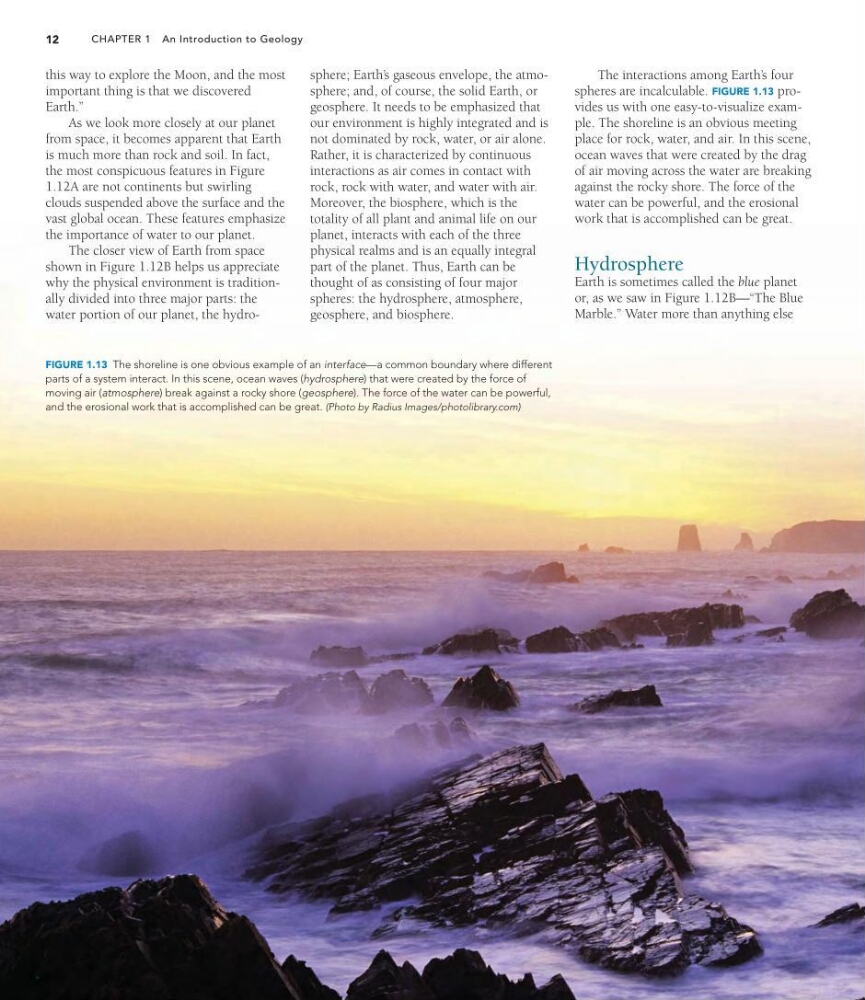
FIGURE 1.13 The shoreline is one obvious example of an interface—a common boundary where different
parts of a system interact. In this scene, ocean waves (hydrosphere) that were created by the force of
moving air (atmosphere) break against a rocky shore (geosphere). The force of the water can be powerful,
and the erosional work that is accomplished can be great. (Photo by Radius Images/photolibrary.com)
this way to explore the Moon, and the most
important thing is that we discovered
Earth.”
As we look more closely at our planet
from space, it becomes apparent that Earth
is much more than rock and soil. In fact,
the most conspicuous features in Figure
1.12A are not continents but swirling
clouds suspended above the surface and the
vast global ocean. These features emphasize
the importance of water to our planet.
The closer view of Earth from space
shown in Figure 1.12B helps us appreciate
why the physical environment is traditionally divided into three major parts: the
water portion of our planet, the hydrosphere; Earth’ s gaseous envelope, the atmosphere; and, of course, the solid Earth, or
geosphere. It needs to be emphasized that
our environment is highly integrated and is
not dominated by rock, water, or air alone.
Rather, it is characterized by continuous
interactions as air comes in contact with
rock, rock with water, and water with air.
Moreover, the biosphere, which is the
totality of all plant and animal life on our
planet, interacts with each of the three
physical realms and is an equally integral
part of the planet. Thus, Earth can be
thought of as consisting of four major
spheres: the hydrosphere, atmosphere,
geosphere, and biosphere.
The interactions among Earth’ s four
spheres are incalculable. FIGURE 1.13 provides us with one easy-to-visualize example. The shoreline is an obvious meeting
place for rock, water, and air. In this scene,
ocean waves that were created by the drag
of air moving across the water are breaking
against the rocky shore. The force of the
water can be powerful, and the erosional
work that is accomplished can be great.
Hydrosphere
Earth is sometimes called the blue planet
or, as we saw in Figure 1.12B—“The Blue
Marble.” Water more than anything else
12
FIGURE 1.13 The shoreline is one obvious example of an interface—a common boundary where different
parts of a system interact. In this scene, ocean waves (hydrosphere) that were created by the force of
moving air (atmosphere) break against a rocky shore (geosphere). The force of the water can be powerful,
and the erosional work that is accomplished can be great. (Photo by Radius Images/photolibrary.com)
this way to explore the Moon, and the most
important thing is that we discovered
Earth.”
As we look more closely at our planet
from space, it becomes apparent that Earth
is much more than rock and soil. In fact,
the most conspicuous features in Figure
1.12A are not continents but swirling
clouds suspended above the surface and the
vast global ocean. These features emphasize
the importance of water to our planet.
The closer view of Earth from space
shown in Figure 1.12B helps us appreciate
why the physical environment is traditionally divided into three major parts: the
water portion of our planet, the hydrosphere; Earth’ s gaseous envelope, the atmosphere; and, of course, the solid Earth, or
geosphere. It needs to be emphasized that
our environment is highly integrated and is
not dominated by rock, water, or air alone.
Rather, it is characterized by continuous
interactions as air comes in contact with
rock, rock with water, and water with air.
Moreover, the biosphere, which is the
totality of all plant and animal life on our
planet, interacts with each of the three
physical realms and is an equally integral
part of the planet. Thus, Earth can be
thought of as consisting of four major
spheres: the hydrosphere, atmosphere,
geosphere, and biosphere.
The interactions among Earth’ s four
spheres are incalculable. FIGURE 1.13 provides us with one easy-to-visualize example. The shoreline is an obvious meeting
place for rock, water, and air. In this scene,
ocean waves that were created by the drag
of air moving across the water are breaking
against the rocky shore. The force of the
water can be powerful, and the erosional
work that is accomplished can be great.
Hydrosphere
Earth is sometimes called the blue planet
or, as we saw in Figure 1.12B—“The Blue
Marble.” Water more than anything else