

CHAPTER 13 Shorelines
308
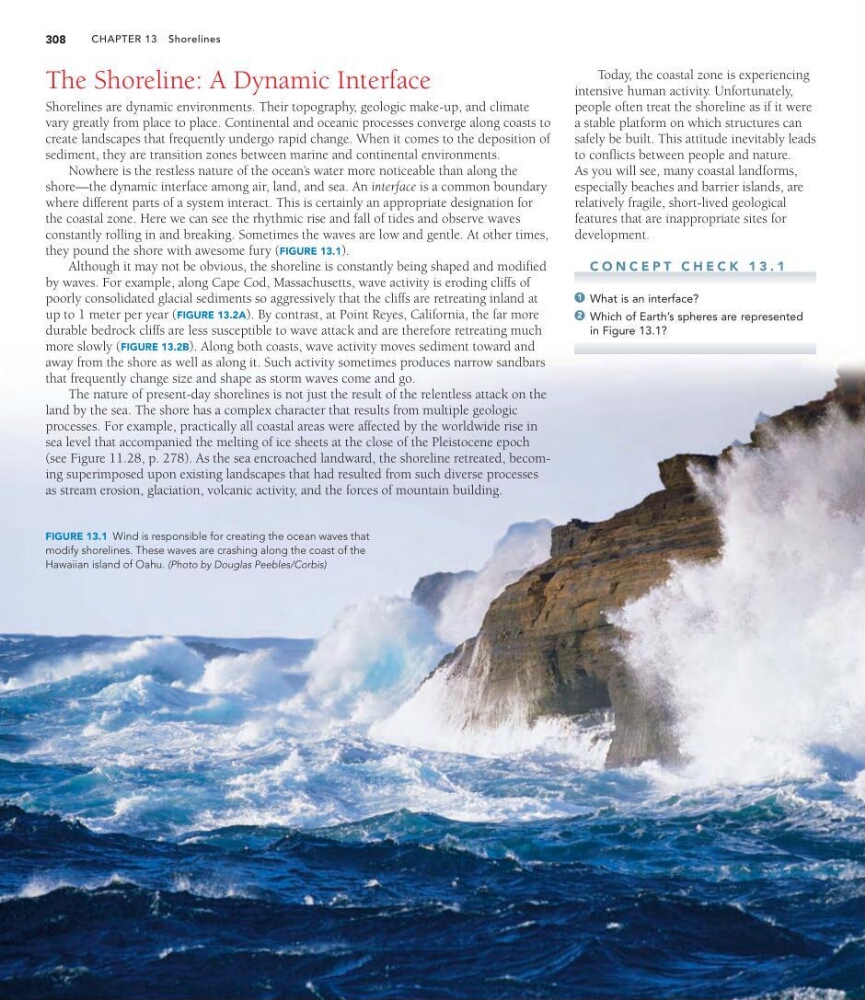
FIGURE 13.1 Wind is responsible for creating the ocean waves that
modify shorelines. These waves are crashing along the coast of the
Hawaiian island of Oahu. (Photo by Douglas Peebles/Corbis)
The Shoreline: A Dynamic Interface
Shorelines are dynamic environments. Their topography, geologic make-up, and climate
vary greatly from place to place. Continental and oceanic processes converge along coasts to
create landscapes that frequently undergo rapid change. When it comes to the deposition of
sediment, they are transition zones between marine and continental environments.
Nowhere is the restless nature of the ocean’ s water more noticeable than along the
shore—the dynamic interface among air, land, and sea. An interface is a common boundary
where different parts of a system interact. This is certainly an appropriate designation for
the coastal zone. Here we can see the rhythmic rise and fall of tides and observe waves
constantly rolling in and breaking. Sometimes the waves are low and gentle. At other times,
they pound the shore with awesome fury (FIGURE 13.1).
Although it may not be obvious, the shoreline is constantly being shaped and modified
by waves. For example, along Cape Cod, Massachusetts, wave activity is eroding cliffs of
poorly consolidated glacial sediments so aggressively that the cliffs are retreating inland at
up to 1 meter per year (FIGURE 13.2A). By contrast, at Point Reyes, California, the far more
durable bedrock cliffs are less susceptible to wave attack and are therefore retreating much
more slowly (FIGURE 13.2B). Along both coasts, wave activity moves sediment toward and
away from the shore as well as along it. Such activity sometimes produces narrow sandbars
that frequently change size and shape as storm waves come and go.
The nature of present-day shorelines is not just the result of the relentless attack on the
land by the sea. The shore has a complex character that results from multiple geologic
processes. For example, practically all coastal areas were affected by the worldwide rise in
sea level that accompanied the melting of ice sheets at the close of the Pleistocene epoch
(see Figure 11.28, p. 278). As the sea encroached landward, the shoreline retreated, becoming superimposed upon existing landscapes that had resulted from such diverse processes
as stream erosion, glaciation, volcanic activity, and the forces of mountain building.
Today, the coastal zone is experiencing
intensive human activity. Unfortunately,
people often treat the shoreline as if it were
a stable platform on which structures can
safely be built. This attitude inevitably leads
to conflicts between people and nature.
As you will see, many coastal landforms,
especially beaches and barrier islands, are
relatively fragile, short-lived geological
features that are inappropriate sites for
development.
C O N C E P T C H E C K 1 3 . 1
What is an interface?
Which of Earth’s spheres are represented
in Figure 13.1?
2
1
308
FIGURE 13.1 Wind is responsible for creating the ocean waves that
modify shorelines. These waves are crashing along the coast of the
Hawaiian island of Oahu. (Photo by Douglas Peebles/Corbis)
The Shoreline: A Dynamic Interface
Shorelines are dynamic environments. Their topography, geologic make-up, and climate
vary greatly from place to place. Continental and oceanic processes converge along coasts to
create landscapes that frequently undergo rapid change. When it comes to the deposition of
sediment, they are transition zones between marine and continental environments.
Nowhere is the restless nature of the ocean’ s water more noticeable than along the
shore—the dynamic interface among air, land, and sea. An interface is a common boundary
where different parts of a system interact. This is certainly an appropriate designation for
the coastal zone. Here we can see the rhythmic rise and fall of tides and observe waves
constantly rolling in and breaking. Sometimes the waves are low and gentle. At other times,
they pound the shore with awesome fury (FIGURE 13.1).
Although it may not be obvious, the shoreline is constantly being shaped and modified
by waves. For example, along Cape Cod, Massachusetts, wave activity is eroding cliffs of
poorly consolidated glacial sediments so aggressively that the cliffs are retreating inland at
up to 1 meter per year (FIGURE 13.2A). By contrast, at Point Reyes, California, the far more
durable bedrock cliffs are less susceptible to wave attack and are therefore retreating much
more slowly (FIGURE 13.2B). Along both coasts, wave activity moves sediment toward and
away from the shore as well as along it. Such activity sometimes produces narrow sandbars
that frequently change size and shape as storm waves come and go.
The nature of present-day shorelines is not just the result of the relentless attack on the
land by the sea. The shore has a complex character that results from multiple geologic
processes. For example, practically all coastal areas were affected by the worldwide rise in
sea level that accompanied the melting of ice sheets at the close of the Pleistocene epoch
(see Figure 11.28, p. 278). As the sea encroached landward, the shoreline retreated, becoming superimposed upon existing landscapes that had resulted from such diverse processes
as stream erosion, glaciation, volcanic activity, and the forces of mountain building.
Today, the coastal zone is experiencing
intensive human activity. Unfortunately,
people often treat the shoreline as if it were
a stable platform on which structures can
safely be built. This attitude inevitably leads
to conflicts between people and nature.
As you will see, many coastal landforms,
especially beaches and barrier islands, are
relatively fragile, short-lived geological
features that are inappropriate sites for
development.
C O N C E P T C H E C K 1 3 . 1
What is an interface?
Which of Earth’s spheres are represented
in Figure 13.1?
2
1