

as clearing forests, building cities, and
constructing dams (FIGURE 1.4). Unfortunately, natural systems do not always adjust
to artificial changes in ways that we can
anticipate. Thus, an alteration to the
environment that was intended to benefit
society sometimes has the opposite effect.
C O N C E P T C H E C K 1 . 2
List at least three different geologic
hazards.
Historical Notes
about Geology
The nature of our Earth—its materials and
its processes—has been a focus of study for
centuries. Writings about fossils, gems,
earthquakes, and volcanoes date back to
the Greeks, more than 2300 years ago.
Certainly, the most influential Greek
philosopher was Aristotle. Unfortunately,
Aristotle’ s explanations about the natural
world were not derived from keen observations and experiments, as is modern
science. Instead, they were arbitrary
1
pronouncements based on the
limited knowledge of his day.
He believed that rocks were
created under the “influence” of
the stars and that earthquakes
occurred when air in the
ground was heated by central
fires and escaped explosively!
When confronted with a fossil
fish, he explained that “a great many fishes
live in the earth motionless and are found
when excavations are made.” Although
Aristotle’ s explanations may have been
adequate for his day, they unfortunately
continued to be expounded for many
centuries, thus thwarting the acceptance
of more up-to-date ideas.
Catastrophism
In the mid-1600s James Ussher, Anglican
Archbishop of Armagh, Primate of all
Ireland, published a major work that had
immediate and profound influences. A
respected scholar of the Bible, Ussher
constructed a chronology of human and
Earth history in which he determined that
Earth was only a few thousand years old,
having been created in 4004 BC. Ussher’ s
treatise earned widespread acceptance
among Europe’ s scientific and religious
leaders, and his chronology was soon
printed in the margins of the Bible itself.
CHAPTER 1 An Introduction to Geology
4
FIGURE 1.3 The open pit copper
mine at Morenci, Arizona, is one
of the largest producers of
copper in the United
States. When demand
for copper is strong,
the mine operates
nonstop, processing
700,000 tons of
rock each day and
producing about
840 million
pounds of copper
per year. (Photo by
Michael Collier)
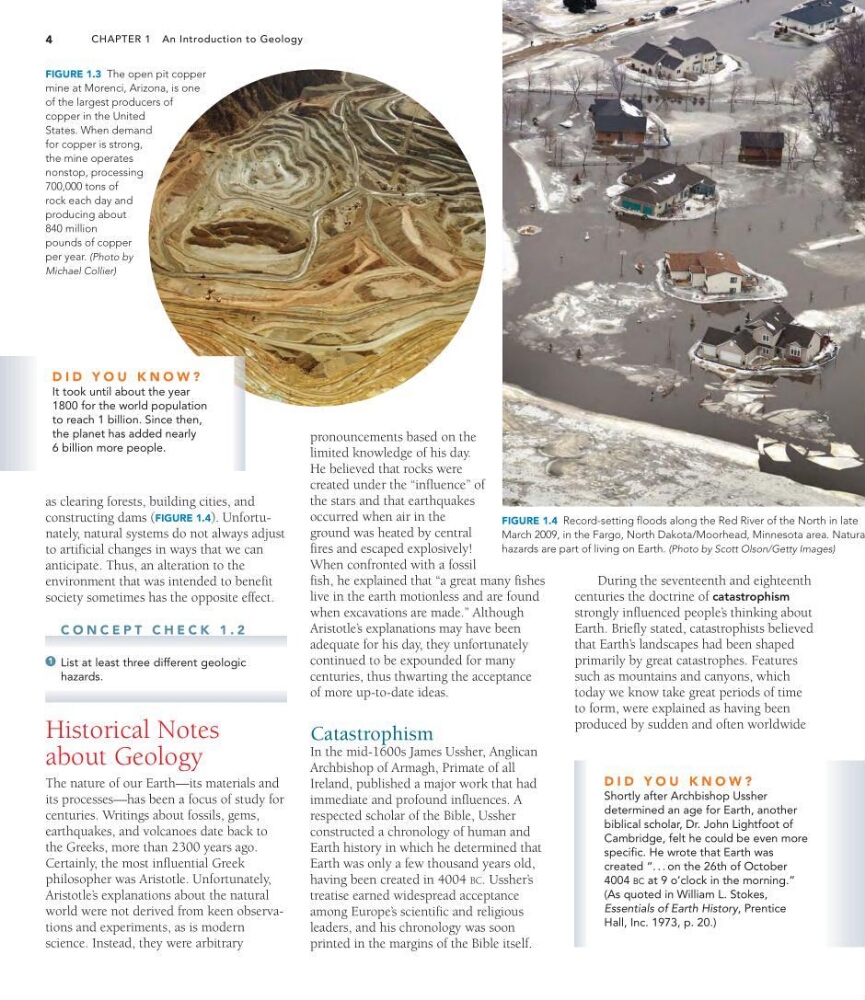
FIGURE 1.4 Record-setting floods along the Red River of the North in late
March 2009, in the Fargo, North Dakota/Moorhead, Minnesota area. Natural
hazards are part of living on Earth. (Photo by Scott Olson/Getty Images)
D I D Y O U K N O W ?
It took until about the year
1800 for the world population
to reach 1 billion. Since then,
the planet has added nearly
6 billion more people.
D I D Y O U K N O W ?
Shortly after Archbishop Ussher
determined an age for Earth, another
biblical scholar, Dr. John Lightfoot of
Cambridge, felt he could be even more
specific. He wrote that Earth was
created “. . . on the 26th of October
4004 BC at 9 o’clock in the morning.”
(As quoted in William L. Stokes,
Essentials of Earth History, Prentice
Hall, Inc. 1973, p. 20.)
During the seventeenth and eighteenth
centuries the doctrine of catastrophism
strongly influenced people’ s thinking about
Earth. Briefly stated, catastrophists believed
that Earth’ s landscapes had been shaped
primarily by great catastrophes. Features
such as mountains and canyons, which
today we know take great periods of time
to form, were explained as having been
produced by sudden and often worldwide
constructing dams (FIGURE 1.4). Unfortunately, natural systems do not always adjust
to artificial changes in ways that we can
anticipate. Thus, an alteration to the
environment that was intended to benefit
society sometimes has the opposite effect.
C O N C E P T C H E C K 1 . 2
List at least three different geologic
hazards.
Historical Notes
about Geology
The nature of our Earth—its materials and
its processes—has been a focus of study for
centuries. Writings about fossils, gems,
earthquakes, and volcanoes date back to
the Greeks, more than 2300 years ago.
Certainly, the most influential Greek
philosopher was Aristotle. Unfortunately,
Aristotle’ s explanations about the natural
world were not derived from keen observations and experiments, as is modern
science. Instead, they were arbitrary
1
pronouncements based on the
limited knowledge of his day.
He believed that rocks were
created under the “influence” of
the stars and that earthquakes
occurred when air in the
ground was heated by central
fires and escaped explosively!
When confronted with a fossil
fish, he explained that “a great many fishes
live in the earth motionless and are found
when excavations are made.” Although
Aristotle’ s explanations may have been
adequate for his day, they unfortunately
continued to be expounded for many
centuries, thus thwarting the acceptance
of more up-to-date ideas.
Catastrophism
In the mid-1600s James Ussher, Anglican
Archbishop of Armagh, Primate of all
Ireland, published a major work that had
immediate and profound influences. A
respected scholar of the Bible, Ussher
constructed a chronology of human and
Earth history in which he determined that
Earth was only a few thousand years old,
having been created in 4004 BC. Ussher’ s
treatise earned widespread acceptance
among Europe’ s scientific and religious
leaders, and his chronology was soon
printed in the margins of the Bible itself.
CHAPTER 1 An Introduction to Geology
4
FIGURE 1.3 The open pit copper
mine at Morenci, Arizona, is one
of the largest producers of
copper in the United
States. When demand
for copper is strong,
the mine operates
nonstop, processing
700,000 tons of
rock each day and
producing about
840 million
pounds of copper
per year. (Photo by
Michael Collier)
FIGURE 1.4 Record-setting floods along the Red River of the North in late
March 2009, in the Fargo, North Dakota/Moorhead, Minnesota area. Natural
hazards are part of living on Earth. (Photo by Scott Olson/Getty Images)
D I D Y O U K N O W ?
It took until about the year
1800 for the world population
to reach 1 billion. Since then,
the planet has added nearly
6 billion more people.
D I D Y O U K N O W ?
Shortly after Archbishop Ussher
determined an age for Earth, another
biblical scholar, Dr. John Lightfoot of
Cambridge, felt he could be even more
specific. He wrote that Earth was
created “. . . on the 26th of October
4004 BC at 9 o’clock in the morning.”
(As quoted in William L. Stokes,
Essentials of Earth History, Prentice
Hall, Inc. 1973, p. 20.)
During the seventeenth and eighteenth
centuries the doctrine of catastrophism
strongly influenced people’ s thinking about
Earth. Briefly stated, catastrophists believed
that Earth’ s landscapes had been shaped
primarily by great catastrophes. Features
such as mountains and canyons, which
today we know take great periods of time
to form, were explained as having been
produced by sudden and often worldwide