

255
The Geologic Work of Groundwater
Krafla
Reykjavik
Grindavik
Geysir
Hengil
ICELAND
Iceland
Mid-Atlantic
Ridge
Key
Hydrothermal system greater than 150° C
Zone of rifting and volcanism
0
100 km
50 mi
0
North
America
Europe
Greenland
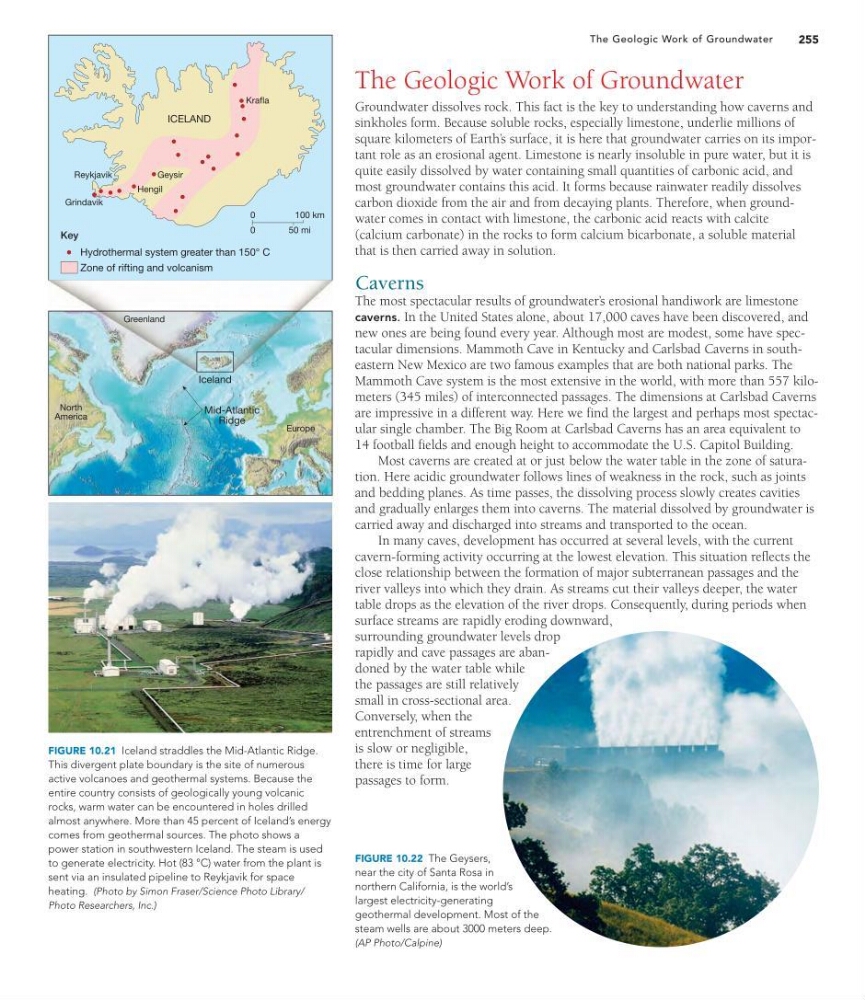
FIGURE 10.21 Iceland straddles the Mid-Atlantic Ridge.
This divergent plate boundary is the site of numerous
active volcanoes and geothermal systems. Because the
entire country consists of geologically young volcanic
rocks, warm water can be encountered in holes drilled
almost anywhere. More than 45 percent of Iceland’s energy
comes from geothermal sources. The photo shows a
power station in southwestern Iceland. The steam is used
to generate electricity. Hot (83 °C) water from the plant is
sent via an insulated pipeline to Reykjavik for space
heating. (Photo by Simon Fraser/Science Photo Library/
Photo Researchers, Inc.)
The Geologic Work of Groundwater
Groundwater dissolves rock. This fact is the key to understanding how caverns and
sinkholes form. Because soluble rocks, especially limestone, underlie millions of
square kilometers of Earth’ s surface, it is here that groundwater carries on its important role as an erosional agent. Limestone is nearly insoluble in pure water, but it is
quite easily dissolved by water containing small quantities of carbonic acid, and
most groundwater contains this acid. It forms because rainwater readily dissolves
carbon dioxide from the air and from decaying plants. Therefore, when groundwater comes in contact with limestone, the carbonic acid reacts with calcite
(calcium carbonate) in the rocks to form calcium bicarbonate, a soluble material
that is then carried away in solution.
Caverns
The most spectacular results of groundwater’ s erosional handiwork are limestone
caverns. In the United States alone, about 17,000 caves have been discovered, and
new ones are being found every year. Although most are modest, some have spectacular dimensions. Mammoth Cave in Kentucky and Carlsbad Caverns in southeastern New Mexico are two famous examples that are both national parks. The
Mammoth Cave system is the most extensive in the world, with more than 557 kilometers (345 miles) of interconnected passages. The dimensions at Carlsbad Caverns
are impressive in a different way. Here we find the largest and perhaps most spectacular single chamber. The Big Room at Carlsbad Caverns has an area equivalent to
14 football fields and enough height to accommodate the U.S. Capitol Building.
Most caverns are created at or just below the water table in the zone of saturation. Here acidic groundwater follows lines of weakness in the rock, such as joints
and bedding planes. As time passes, the dissolving process slowly creates cavities
and gradually enlarges them into caverns. The material dissolved by groundwater is
carried away and discharged into streams and transported to the ocean.
In many caves, development has occurred at several levels, with the current
cavern-forming activity occurring at the lowest elevation. This situation reflects the
close relationship between the formation of major subterranean passages and the
river valleys into which they drain. As streams cut their valleys deeper, the water
table drops as the elevation of the river drops. Consequently, during periods when
surface streams are rapidly eroding downward,
surrounding groundwater levels drop
rapidly and cave passages are abandoned by the water table while
the passages are still relatively
small in cross-sectional area.
Conversely, when the
entrenchment of streams
is slow or negligible,
there is time for large
passages to form.
FIGURE 10.22 The Geysers,
near the city of Santa Rosa in
northern California, is the world’s
largest electricity-generating
geothermal development. Most of the
steam wells are about 3000 meters deep.
(AP Photo/Calpine)
The Geologic Work of Groundwater
Krafla
Reykjavik
Grindavik
Geysir
Hengil
ICELAND
Iceland
Mid-Atlantic
Ridge
Key
Hydrothermal system greater than 150° C
Zone of rifting and volcanism
0
100 km
50 mi
0
North
America
Europe
Greenland
FIGURE 10.21 Iceland straddles the Mid-Atlantic Ridge.
This divergent plate boundary is the site of numerous
active volcanoes and geothermal systems. Because the
entire country consists of geologically young volcanic
rocks, warm water can be encountered in holes drilled
almost anywhere. More than 45 percent of Iceland’s energy
comes from geothermal sources. The photo shows a
power station in southwestern Iceland. The steam is used
to generate electricity. Hot (83 °C) water from the plant is
sent via an insulated pipeline to Reykjavik for space
heating. (Photo by Simon Fraser/Science Photo Library/
Photo Researchers, Inc.)
The Geologic Work of Groundwater
Groundwater dissolves rock. This fact is the key to understanding how caverns and
sinkholes form. Because soluble rocks, especially limestone, underlie millions of
square kilometers of Earth’ s surface, it is here that groundwater carries on its important role as an erosional agent. Limestone is nearly insoluble in pure water, but it is
quite easily dissolved by water containing small quantities of carbonic acid, and
most groundwater contains this acid. It forms because rainwater readily dissolves
carbon dioxide from the air and from decaying plants. Therefore, when groundwater comes in contact with limestone, the carbonic acid reacts with calcite
(calcium carbonate) in the rocks to form calcium bicarbonate, a soluble material
that is then carried away in solution.
Caverns
The most spectacular results of groundwater’ s erosional handiwork are limestone
caverns. In the United States alone, about 17,000 caves have been discovered, and
new ones are being found every year. Although most are modest, some have spectacular dimensions. Mammoth Cave in Kentucky and Carlsbad Caverns in southeastern New Mexico are two famous examples that are both national parks. The
Mammoth Cave system is the most extensive in the world, with more than 557 kilometers (345 miles) of interconnected passages. The dimensions at Carlsbad Caverns
are impressive in a different way. Here we find the largest and perhaps most spectacular single chamber. The Big Room at Carlsbad Caverns has an area equivalent to
14 football fields and enough height to accommodate the U.S. Capitol Building.
Most caverns are created at or just below the water table in the zone of saturation. Here acidic groundwater follows lines of weakness in the rock, such as joints
and bedding planes. As time passes, the dissolving process slowly creates cavities
and gradually enlarges them into caverns. The material dissolved by groundwater is
carried away and discharged into streams and transported to the ocean.
In many caves, development has occurred at several levels, with the current
cavern-forming activity occurring at the lowest elevation. This situation reflects the
close relationship between the formation of major subterranean passages and the
river valleys into which they drain. As streams cut their valleys deeper, the water
table drops as the elevation of the river drops. Consequently, during periods when
surface streams are rapidly eroding downward,
surrounding groundwater levels drop
rapidly and cave passages are abandoned by the water table while
the passages are still relatively
small in cross-sectional area.
Conversely, when the
entrenchment of streams
is slow or negligible,
there is time for large
passages to form.
FIGURE 10.22 The Geysers,
near the city of Santa Rosa in
northern California, is the world’s
largest electricity-generating
geothermal development. Most of the
steam wells are about 3000 meters deep.
(AP Photo/Calpine)