

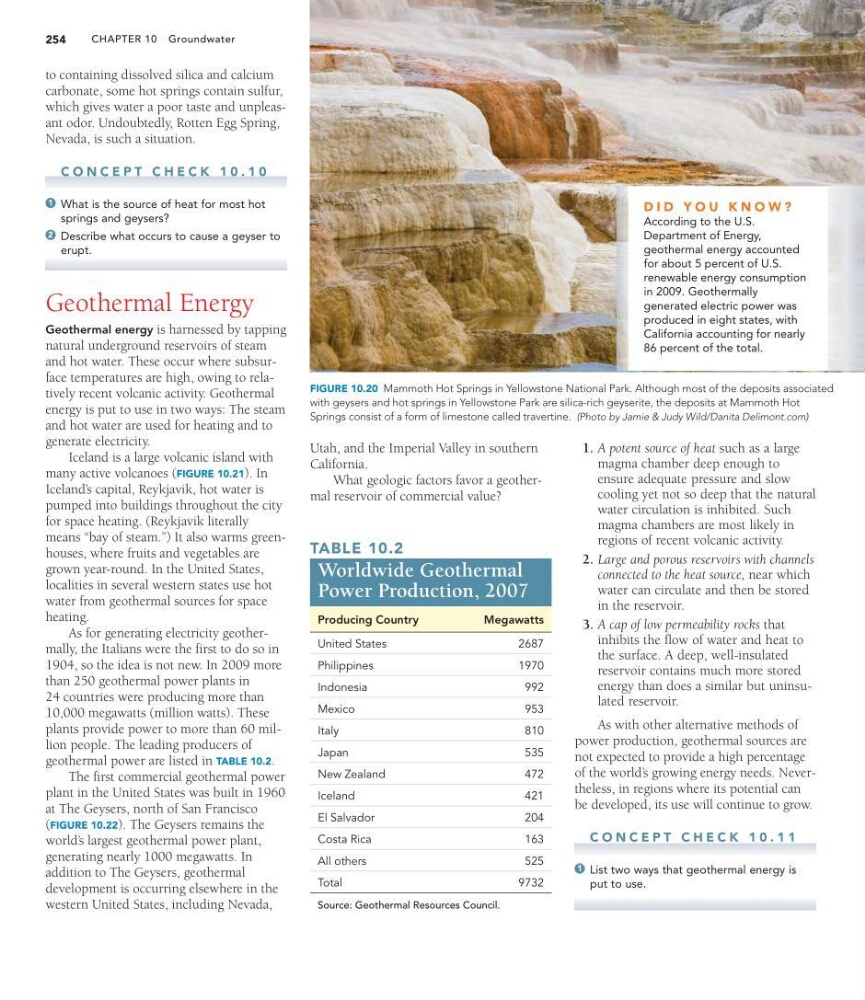
FIGURE 10.20 Mammoth Hot Springs in Yellowstone National Park. Although most of the deposits associated
with geysers and hot springs in Yellowstone Park are silica-rich geyserite, the deposits at Mammoth Hot
Springs consist of a form of limestone called travertine. (Photo by Jamie & Judy Wild/Danita Delimont.com)
CHAPTER 10 Groundwater
254
to containing dissolved silica and calcium
carbonate, some hot springs contain sulfur,
which gives water a poor taste and unpleasant odor. Undoubtedly, Rotten Egg Spring,
Nevada, is such a situation.
C O N C E P T C H E C K 1 0 . 1 0
What is the source of heat for most hot
springs and geysers?
Describe what occurs to cause a geyser to
erupt.
Geothermal Energy
Geothermal energy is harnessed by tapping
natural underground reservoirs of steam
and hot water. These occur where subsurface temperatures are high, owing to relatively recent volcanic activity. Geothermal
energy is put to use in two ways: The steam
and hot water are used for heating and to
generate electricity.
Iceland is a large volcanic island with
many active volcanoes (FIGURE 10.21). In
Iceland’ s capital, Reykjavik, hot water is
pumped into buildings throughout the city
for space heating. (Reykjavik literally
means “bay of steam.”) It also warms greenhouses, where fruits and vegetables are
grown year-round. In the United States,
localities in several western states use hot
water from geothermal sources for space
heating.
As for generating electricity geothermally, the Italians were the first to do so in
1904, so the idea is not new. In 2009 more
than 250 geothermal power plants in
24 countries were producing more than
10,000 megawatts (million watts). These
plants provide power to more than 60 million people. The leading producers of
geothermal power are listed in TABLE 10.2.
The first commercial geothermal power
plant in the United States was built in 1960
at The Geysers, north of San Francisco
(FIGURE 10.22). The Geysers remains the
world’ s largest geothermal power plant,
generating nearly 1000 megawatts. In
addition to The Geysers, geothermal
development is occurring elsewhere in the
western United States, including Nevada,
2
1
TABLE 10.2
Worldwide Geothermal
Power Production, 2007
Producing Country
Megawatts
United States
2687
Philippines
1970
Indonesia
992
Mexico
953
Italy
810
Japan
535
New Zealand
472
Iceland
421
El Salvador
204
Costa Rica
163
All others
525
Total
9732
Source: Geothermal Resources Council.
Utah, and the Imperial Valley in southern
California.
What geologic factors favor a geothermal reservoir of commercial value?
D I D Y O U K N O W ?
According to the U.S.
Department of Energy,
geothermal energy accounted
for about 5 percent of U.S.
renewable energy consumption
in 2009. Geothermally
generated electric power was
produced in eight states, with
California accounting for nearly
86 percent of the total.
1. A potent source of heat such as a large
magma chamber deep enough to
ensure adequate pressure and slow
cooling yet not so deep that the natural
water circulation is inhibited. Such
magma chambers are most likely in
regions of recent volcanic activity.
2. Large and porous reservoirs with channels
connected to the heat source, near which
water can circulate and then be stored
in the reservoir.
3. A cap of low permeability rocks that
inhibits the flow of water and heat to
the surface. A deep, well-insulated
reservoir contains much more stored
energy than does a similar but uninsulated reservoir.
As with other alternative methods of
power production, geothermal sources are
not expected to provide a high percentage
of the world’ s growing energy needs. Nevertheless, in regions where its potential can
be developed, its use will continue to grow.
C O N C E P T C H E C K 1 0 . 1 1
List two ways that geothermal energy is
put to use.
1
with geysers and hot springs in Yellowstone Park are silica-rich geyserite, the deposits at Mammoth Hot
Springs consist of a form of limestone called travertine. (Photo by Jamie & Judy Wild/Danita Delimont.com)
CHAPTER 10 Groundwater
254
to containing dissolved silica and calcium
carbonate, some hot springs contain sulfur,
which gives water a poor taste and unpleasant odor. Undoubtedly, Rotten Egg Spring,
Nevada, is such a situation.
C O N C E P T C H E C K 1 0 . 1 0
What is the source of heat for most hot
springs and geysers?
Describe what occurs to cause a geyser to
erupt.
Geothermal Energy
Geothermal energy is harnessed by tapping
natural underground reservoirs of steam
and hot water. These occur where subsurface temperatures are high, owing to relatively recent volcanic activity. Geothermal
energy is put to use in two ways: The steam
and hot water are used for heating and to
generate electricity.
Iceland is a large volcanic island with
many active volcanoes (FIGURE 10.21). In
Iceland’ s capital, Reykjavik, hot water is
pumped into buildings throughout the city
for space heating. (Reykjavik literally
means “bay of steam.”) It also warms greenhouses, where fruits and vegetables are
grown year-round. In the United States,
localities in several western states use hot
water from geothermal sources for space
heating.
As for generating electricity geothermally, the Italians were the first to do so in
1904, so the idea is not new. In 2009 more
than 250 geothermal power plants in
24 countries were producing more than
10,000 megawatts (million watts). These
plants provide power to more than 60 million people. The leading producers of
geothermal power are listed in TABLE 10.2.
The first commercial geothermal power
plant in the United States was built in 1960
at The Geysers, north of San Francisco
(FIGURE 10.22). The Geysers remains the
world’ s largest geothermal power plant,
generating nearly 1000 megawatts. In
addition to The Geysers, geothermal
development is occurring elsewhere in the
western United States, including Nevada,
2
1
TABLE 10.2
Worldwide Geothermal
Power Production, 2007
Producing Country
Megawatts
United States
2687
Philippines
1970
Indonesia
992
Mexico
953
Italy
810
Japan
535
New Zealand
472
Iceland
421
El Salvador
204
Costa Rica
163
All others
525
Total
9732
Source: Geothermal Resources Council.
Utah, and the Imperial Valley in southern
California.
What geologic factors favor a geothermal reservoir of commercial value?
D I D Y O U K N O W ?
According to the U.S.
Department of Energy,
geothermal energy accounted
for about 5 percent of U.S.
renewable energy consumption
in 2009. Geothermally
generated electric power was
produced in eight states, with
California accounting for nearly
86 percent of the total.
1. A potent source of heat such as a large
magma chamber deep enough to
ensure adequate pressure and slow
cooling yet not so deep that the natural
water circulation is inhibited. Such
magma chambers are most likely in
regions of recent volcanic activity.
2. Large and porous reservoirs with channels
connected to the heat source, near which
water can circulate and then be stored
in the reservoir.
3. A cap of low permeability rocks that
inhibits the flow of water and heat to
the surface. A deep, well-insulated
reservoir contains much more stored
energy than does a similar but uninsulated reservoir.
As with other alternative methods of
power production, geothermal sources are
not expected to provide a high percentage
of the world’ s growing energy needs. Nevertheless, in regions where its potential can
be developed, its use will continue to grow.
C O N C E P T C H E C K 1 0 . 1 1
List two ways that geothermal energy is
put to use.
1