

243
The Water Table
The Water Table
Groundwater
Importance and Distribution of
Groundwater
The water table, the upper limit of the zone
of saturation, is a very significant feature of
the groundwater system. The water-table
level is important in predicting the productivity of wells, explaining the changes in the
flow of springs and streams, and accounting for fluctuations in the levels of lakes.
Variations
in the Water Table
The depth of the water table is highly variable and can range from zero, when it is at
the surface, to hundreds of meters in some
places. An important characteristic of the
water table is that its configuration varies
seasonally and from year to year because
the addition of water to the groundwater
system is closely related to the quantity,
distribution, and timing of precipitation.
Except where the water table is at the
surface, we cannot observe it directly.
Nevertheless, its elevation can be mapped
and studied in detail where wells are
numerous, because the water level in
wells coincides with the water table
(FIGURE 10.6). Such maps reveal that the
water table is rarely level, as we might
expect a table to be. Instead, its shape is
usually a subdued replica of the surface
topography, reaching its highest elevations
beneath hills and then descending toward
valleys. Where a wetland (swamp) is
encountered, the water table is right at the
surface. Lakes and streams generally
occupy areas low enough that the water
table is above the land surface.
Several factors contribute to the
irregular surface of the water table. One
GEODe
ESSENTIALS
OF GEOLOGY
C O N C E P T C H E C K 1 0 . 2
What share of U.S. fresh water is provided
by groundwater? What is most groundwater used for?
Did the amount of water in any category in
Figure 10.4 surprise you?
Distribution
of Groundwater
Groundwater
Importance and Distribution of
Groundwater
When rain falls, some of the water runs
off, some returns to the atmosphere by
evaporation and transpiration, and the
remainder soaks into the ground. This last
path is the primary source of practically all
subsurface water. The amount of water that
takes each of these paths, however, varies
greatly both in time and space. Influential
factors include steepness of slope, nature of
surface material, intensity of rainfall, and
type and amount of vegetation. Heavy rains
falling on steep slopes underlain by impervious materials will obviously result in a
high percentage of the water running off.
Conversely, if rain falls steadily and gently
on more gradual slopes composed of materials that are easily penetrated by the water,
a much larger percentage of water soaks
into the ground.
GEODe
ESSENTIALS
OF GEOLOGY
2
1
Unsuccessful
well
Successful
well
Perched
water table
Spring
Aquitard
Aquitard
Main water table
Main water table
Aquitard
Main water table
Unsaturated
zone
Zone of
saturation
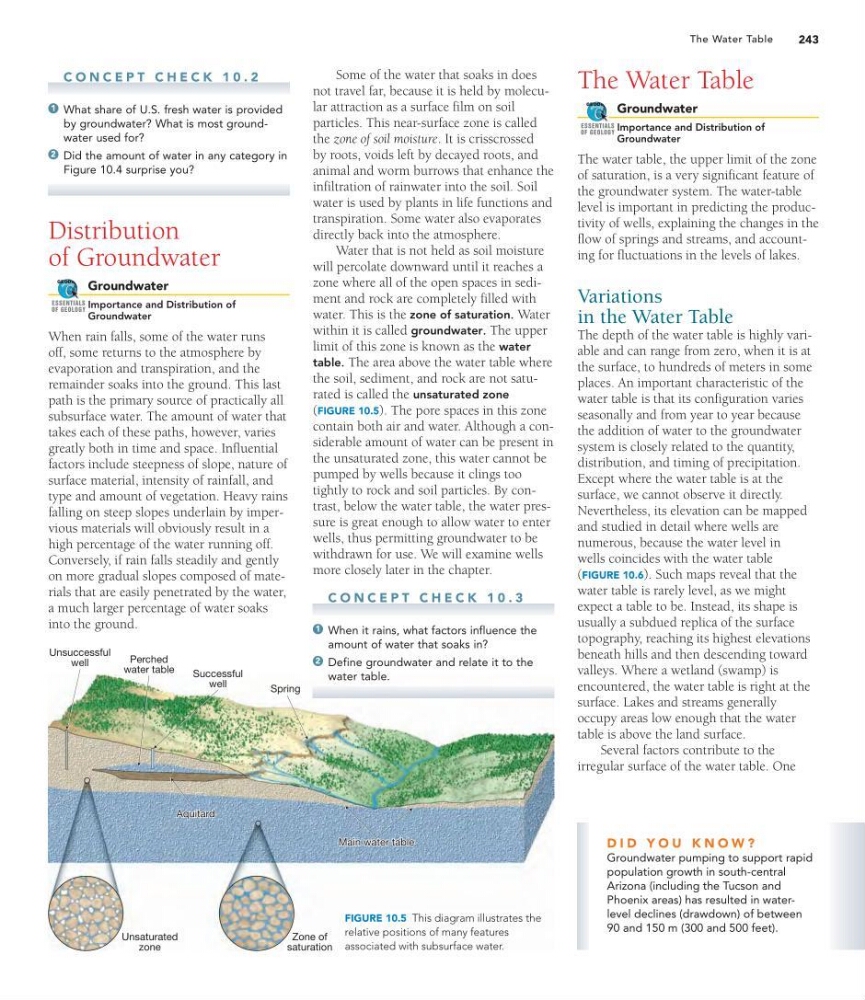
FIGURE 10.5 This diagram illustrates the
relative positions of many features
associated with subsurface water.
D I D Y O U K N O W ?
Groundwater pumping to support rapid
population growth in south-central
Arizona (including the Tucson and
Phoenix areas) has resulted in waterlevel declines (drawdown) of between
90 and 150 m (300 and 500 feet).
Some of the water that soaks in does
not travel far, because it is held by molecular attraction as a surface film on soil
particles. This near-surface zone is called
the zone of soil moisture. It is crisscrossed
by roots, voids left by decayed roots, and
animal and worm burrows that enhance the
infiltration of rainwater into the soil. Soil
water is used by plants in life functions and
transpiration. Some water also evaporates
directly back into the atmosphere.
Water that is not held as soil moisture
will percolate downward until it reaches a
zone where all of the open spaces in sediment and rock are completely filled with
water. This is the zone of saturation. Water
within it is called groundwater. The upper
limit of this zone is known as the water
table. The area above the water table where
the soil, sediment, and rock are not saturated is called the unsaturated zone
(FIGURE 10.5). The pore spaces in this zone
contain both air and water. Although a considerable amount of water can be present in
the unsaturated zone, this water cannot be
pumped by wells because it clings too
tightly to rock and soil particles. By contrast, below the water table, the water pressure is great enough to allow water to enter
wells, thus permitting groundwater to be
withdrawn for use. We will examine wells
more closely later in the chapter.
C O N C E P T C H E C K 1 0 . 3
When it rains, what factors influence the
amount of water that soaks in?
Define groundwater and relate it to the
water table.
2
1
The Water Table
The Water Table
Groundwater
Importance and Distribution of
Groundwater
The water table, the upper limit of the zone
of saturation, is a very significant feature of
the groundwater system. The water-table
level is important in predicting the productivity of wells, explaining the changes in the
flow of springs and streams, and accounting for fluctuations in the levels of lakes.
Variations
in the Water Table
The depth of the water table is highly variable and can range from zero, when it is at
the surface, to hundreds of meters in some
places. An important characteristic of the
water table is that its configuration varies
seasonally and from year to year because
the addition of water to the groundwater
system is closely related to the quantity,
distribution, and timing of precipitation.
Except where the water table is at the
surface, we cannot observe it directly.
Nevertheless, its elevation can be mapped
and studied in detail where wells are
numerous, because the water level in
wells coincides with the water table
(FIGURE 10.6). Such maps reveal that the
water table is rarely level, as we might
expect a table to be. Instead, its shape is
usually a subdued replica of the surface
topography, reaching its highest elevations
beneath hills and then descending toward
valleys. Where a wetland (swamp) is
encountered, the water table is right at the
surface. Lakes and streams generally
occupy areas low enough that the water
table is above the land surface.
Several factors contribute to the
irregular surface of the water table. One
GEODe
ESSENTIALS
OF GEOLOGY
C O N C E P T C H E C K 1 0 . 2
What share of U.S. fresh water is provided
by groundwater? What is most groundwater used for?
Did the amount of water in any category in
Figure 10.4 surprise you?
Distribution
of Groundwater
Groundwater
Importance and Distribution of
Groundwater
When rain falls, some of the water runs
off, some returns to the atmosphere by
evaporation and transpiration, and the
remainder soaks into the ground. This last
path is the primary source of practically all
subsurface water. The amount of water that
takes each of these paths, however, varies
greatly both in time and space. Influential
factors include steepness of slope, nature of
surface material, intensity of rainfall, and
type and amount of vegetation. Heavy rains
falling on steep slopes underlain by impervious materials will obviously result in a
high percentage of the water running off.
Conversely, if rain falls steadily and gently
on more gradual slopes composed of materials that are easily penetrated by the water,
a much larger percentage of water soaks
into the ground.
GEODe
ESSENTIALS
OF GEOLOGY
2
1
Unsuccessful
well
Successful
well
Perched
water table
Spring
Aquitard
Aquitard
Main water table
Main water table
Aquitard
Main water table
Unsaturated
zone
Zone of
saturation
FIGURE 10.5 This diagram illustrates the
relative positions of many features
associated with subsurface water.
D I D Y O U K N O W ?
Groundwater pumping to support rapid
population growth in south-central
Arizona (including the Tucson and
Phoenix areas) has resulted in waterlevel declines (drawdown) of between
90 and 150 m (300 and 500 feet).
Some of the water that soaks in does
not travel far, because it is held by molecular attraction as a surface film on soil
particles. This near-surface zone is called
the zone of soil moisture. It is crisscrossed
by roots, voids left by decayed roots, and
animal and worm burrows that enhance the
infiltration of rainwater into the soil. Soil
water is used by plants in life functions and
transpiration. Some water also evaporates
directly back into the atmosphere.
Water that is not held as soil moisture
will percolate downward until it reaches a
zone where all of the open spaces in sediment and rock are completely filled with
water. This is the zone of saturation. Water
within it is called groundwater. The upper
limit of this zone is known as the water
table. The area above the water table where
the soil, sediment, and rock are not saturated is called the unsaturated zone
(FIGURE 10.5). The pore spaces in this zone
contain both air and water. Although a considerable amount of water can be present in
the unsaturated zone, this water cannot be
pumped by wells because it clings too
tightly to rock and soil particles. By contrast, below the water table, the water pressure is great enough to allow water to enter
wells, thus permitting groundwater to be
withdrawn for use. We will examine wells
more closely later in the chapter.
C O N C E P T C H E C K 1 0 . 3
When it rains, what factors influence the
amount of water that soaks in?
Define groundwater and relate it to the
water table.
2
1