

CHAPTER 9 Running Water
220
D I D Y O U K N O W ?
The Amazon River is responsible for
about 20 percent of all the water
reaching the ocean via rivers. Its
nearest rival, Africa’s Congo River,
delivers about 4 percent of the total.
exhibit turbulent flow near the bottom
and sides of the channel where flow resistance is greatest. Turbulence contributes
to the stream’ s ability to erode its channel
because it acts to lift sediment from the
streambed.
A. Wide, shallow
channel
B. Narrow, deep
channel
Widt h 10 units
Maximum
velocity
Cross-sectional area = 10 square units
Wetted perimeter = 12 units
Ratio =
10 = 0.83
Depth
1 unit
Depth
2 units
Widt h 5 units
Maximum
velocity
Conical
cups
Sounding
weight
D.
12
Cross-sectional area = 10 square units
Wetted perimeter = 9 units
Ratio =
10 = 1.11
9
C. Gaging station
Channel A
Channel B
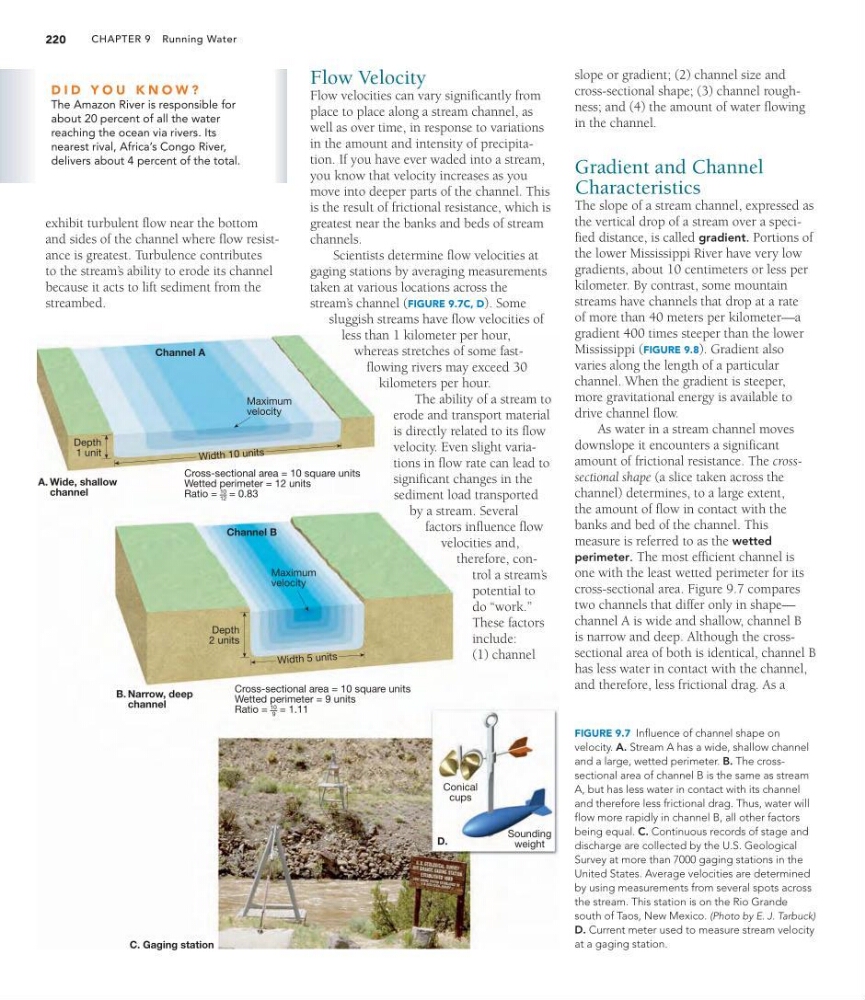
FIGURE 9.7 Influence of channel shape on
velocity. A. Stream A has a wide, shallow channel
and a large, wetted perimeter. B. The crosssectional area of channel B is the same as stream
A, but has less water in contact with its channel
and therefore less frictional drag. Thus, water will
flow more rapidly in channel B, all other factors
being equal. C. Continuous records of stage and
discharge are collected by the U.S. Geological
Survey at more than 7000 gaging stations in the
United States. Average velocities are determined
by using measurements from several spots across
the stream. This station is on the Rio Grande
south of Taos, New Mexico. (Photo by E. J. Tarbuck)
D. Current meter used to measure stream velocity
at a gaging station.
slope or gradient; (2) channel size and
cross-sectional shape; (3) channel roughness; and (4) the amount of water flowing
in the channel.
Gradient and Channel
Characteristics
The slope of a stream channel, expressed as
the vertical drop of a stream over a specified distance, is called gradient. Portions of
the lower Mississippi River have very low
gradients, about 10 centimeters or less per
kilometer. By contrast, some mountain
streams have channels that drop at a rate
of more than 40 meters per kilometer—a
gradient 400 times steeper than the lower
Mississippi (FIGURE 9.8). Gradient also
varies along the length of a particular
channel. When the gradient is steeper,
more gravitational energy is available to
drive channel flow.
As water in a stream channel moves
downslope it encounters a significant
amount of frictional resistance. The crosssectional shape (a slice taken across the
channel) determines, to a large extent,
the amount of flow in contact with the
banks and bed of the channel. This
measure is referred to as the wetted
perimeter. The most efficient channel is
one with the least wetted perimeter for its
cross-sectional area. Figure 9.7 compares
two channels that differ only in shape—
channel A is wide and shallow, channel B
is narrow and deep. Although the crosssectional area of both is identical, channel B
has less water in contact with the channel,
and therefore, less frictional drag. As a
Flow Velocity
Flow velocities can vary significantly from
place to place along a stream channel, as
well as over time, in response to variations
in the amount and intensity of precipitation. If you have ever waded into a stream,
you know that velocity increases as you
move into deeper parts of the channel. This
is the result of frictional resistance, which is
greatest near the banks and beds of stream
channels.
Scientists determine flow velocities at
gaging stations by averaging measurements
taken at various locations across the
stream’ s channel (FIGURE 9.7C, D). Some
sluggish streams have flow velocities of
less than 1 kilometer per hour,
whereas stretches of some fastflowing rivers may exceed 30
kilometers per hour.
The ability of a stream to
erode and transport material
is directly related to its flow
velocity. Even slight variations in flow rate can lead to
significant changes in the
sediment load transported
by a stream. Several
factors influence flow
velocities and,
therefore, control a stream’ s
potential to
do “work.”
These factors
include:
(1) channel
220
D I D Y O U K N O W ?
The Amazon River is responsible for
about 20 percent of all the water
reaching the ocean via rivers. Its
nearest rival, Africa’s Congo River,
delivers about 4 percent of the total.
exhibit turbulent flow near the bottom
and sides of the channel where flow resistance is greatest. Turbulence contributes
to the stream’ s ability to erode its channel
because it acts to lift sediment from the
streambed.
A. Wide, shallow
channel
B. Narrow, deep
channel
Widt h 10 units
Maximum
velocity
Cross-sectional area = 10 square units
Wetted perimeter = 12 units
Ratio =
10 = 0.83
Depth
1 unit
Depth
2 units
Widt h 5 units
Maximum
velocity
Conical
cups
Sounding
weight
D.
12
Cross-sectional area = 10 square units
Wetted perimeter = 9 units
Ratio =
10 = 1.11
9
C. Gaging station
Channel A
Channel B
FIGURE 9.7 Influence of channel shape on
velocity. A. Stream A has a wide, shallow channel
and a large, wetted perimeter. B. The crosssectional area of channel B is the same as stream
A, but has less water in contact with its channel
and therefore less frictional drag. Thus, water will
flow more rapidly in channel B, all other factors
being equal. C. Continuous records of stage and
discharge are collected by the U.S. Geological
Survey at more than 7000 gaging stations in the
United States. Average velocities are determined
by using measurements from several spots across
the stream. This station is on the Rio Grande
south of Taos, New Mexico. (Photo by E. J. Tarbuck)
D. Current meter used to measure stream velocity
at a gaging station.
slope or gradient; (2) channel size and
cross-sectional shape; (3) channel roughness; and (4) the amount of water flowing
in the channel.
Gradient and Channel
Characteristics
The slope of a stream channel, expressed as
the vertical drop of a stream over a specified distance, is called gradient. Portions of
the lower Mississippi River have very low
gradients, about 10 centimeters or less per
kilometer. By contrast, some mountain
streams have channels that drop at a rate
of more than 40 meters per kilometer—a
gradient 400 times steeper than the lower
Mississippi (FIGURE 9.8). Gradient also
varies along the length of a particular
channel. When the gradient is steeper,
more gravitational energy is available to
drive channel flow.
As water in a stream channel moves
downslope it encounters a significant
amount of frictional resistance. The crosssectional shape (a slice taken across the
channel) determines, to a large extent,
the amount of flow in contact with the
banks and bed of the channel. This
measure is referred to as the wetted
perimeter. The most efficient channel is
one with the least wetted perimeter for its
cross-sectional area. Figure 9.7 compares
two channels that differ only in shape—
channel A is wide and shallow, channel B
is narrow and deep. Although the crosssectional area of both is identical, channel B
has less water in contact with the channel,
and therefore, less frictional drag. As a
Flow Velocity
Flow velocities can vary significantly from
place to place along a stream channel, as
well as over time, in response to variations
in the amount and intensity of precipitation. If you have ever waded into a stream,
you know that velocity increases as you
move into deeper parts of the channel. This
is the result of frictional resistance, which is
greatest near the banks and beds of stream
channels.
Scientists determine flow velocities at
gaging stations by averaging measurements
taken at various locations across the
stream’ s channel (FIGURE 9.7C, D). Some
sluggish streams have flow velocities of
less than 1 kilometer per hour,
whereas stretches of some fastflowing rivers may exceed 30
kilometers per hour.
The ability of a stream to
erode and transport material
is directly related to its flow
velocity. Even slight variations in flow rate can lead to
significant changes in the
sediment load transported
by a stream. Several
factors influence flow
velocities and,
therefore, control a stream’ s
potential to
do “work.”
These factors
include:
(1) channel