

205
Classification of Mass-Wasting Processes
The Potential for Landslides
FIGURE 8.11 shows the landslide potential
for the contiguous United States. All states
experience some damage from rapid masswasting processes, but it is obvious that not
all areas of the country have the same landslide hazard potential. As you might expect,
there are greater landslide risks in mountain areas. In the East, landslides are most
common in the Appalachian Mountains. In
the mountainous parts of the Pacific Northwest, water from heavy rains and melting
snow often trigger rapid forms of mass
wasting. Coastal California’ s steep slopes
have a high landslide potential. Here masswasting events may be triggered by winter
storms or the ground shaking associated
with earthquakes. Landslides are also triggered when strong wave activity undercuts
and oversteepens coastal cliffs.
A glance at the map shows that Florida
and the adjacent Atlantic and Gulf coastal
plains have some of the lowest landslide
potentials because steep slopes are largely
absent. In the center of the country, the
plains states are relatively flat, so landslide
potential is mostly low-to-moderate. Highpotential areas occur along the steep bluffs
that flank river valleys.
C O N C E P T C H E C K 8 . 3
How does water affect mass-wasting
processes?
Describe the significance of the angle
of repose.
How might a wildfire influence mass
wasting?
Describe the relationship between earthquakes and landslides.
What combination of factors led to the
La Conchita debris flow?
Classification
of Mass-Wasting
Processes
There is a broad array of different processes
that geologists call mass wasting. Generally,
the different types are classified based on
the type of material involved, the kind of
motion displayed, and the velocity of the
movement.
5
4
3
2
1
Type of Material
The classification of mass-wasting processes
on the basis of the material involved in the
movement depends upon whether the
descending mass began as unconsolidated
material or as bedrock. If soil and regolith
dominate, terms such as debris, mud, or
earth are used in the description. In contrast, when a mass of bedrock breaks loose
and moves downslope, the term rock may
be part of the description.
Type of Motion
In addition to characterizing the type of
material involved in a mass-wasting event,
the way in which the material moves may
also be important. Generally, the kind of
motion is described as either a fall, a slide,
or a flow.
FALL. When the movement involves the
freefall of detached individual pieces of any
size, it is termed a fall. Fall is a common
form of movement on slopes that are so
steep that loose material cannot remain on
the surface. The rock may fall directly to
the base of the slope or move in a series of
leaps and bounds over other rocks along
the way. Many falls result when freeze and
thaw cycles and/or the action of plant roots
January 10, 2005
landslide
Rainfall (centimeters)
10
9
8
7
6
5
4
3
2
1
0
11/1/04
11/10/04
11/20/04
11/30/04
12/10/04
12/20/04
12/30/04
1/9/05
1/19/05
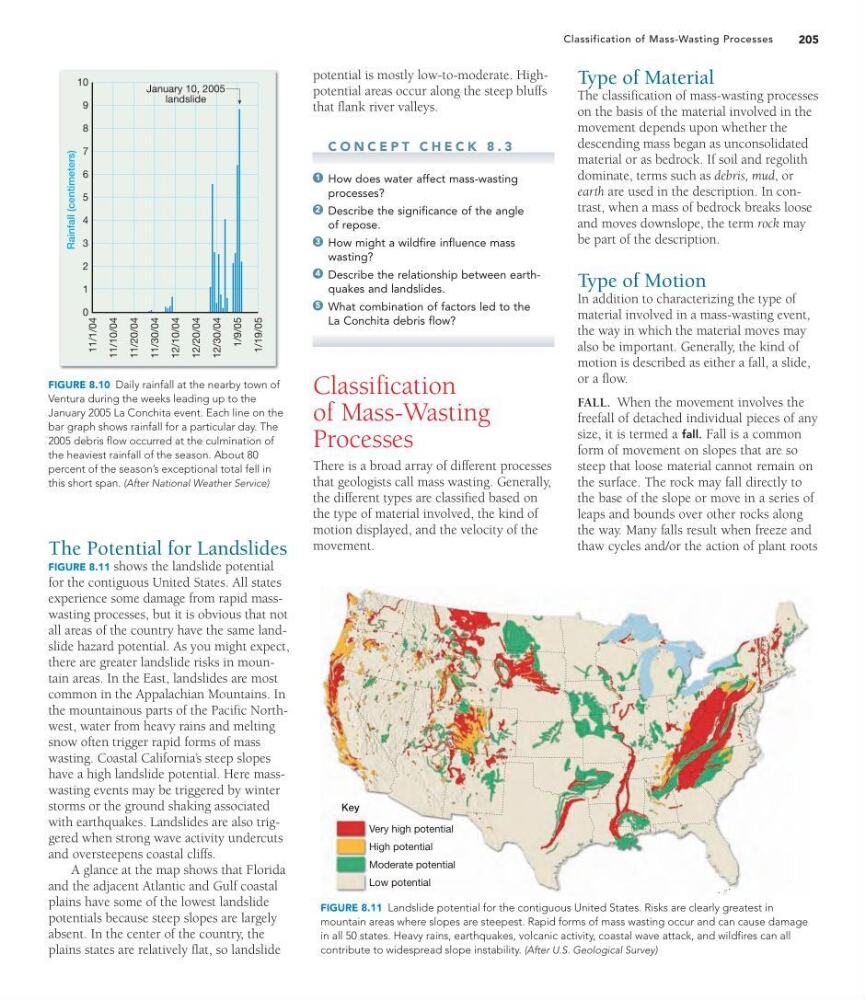
FIGURE 8.10 Daily rainfall at the nearby town of
Ventura during the weeks leading up to the
January 2005 La Conchita event. Each line on the
bar graph shows rainfall for a particular day. The
2005 debris flow occurred at the culmination of
the heaviest rainfall of the season. About 80
percent of the season’s exceptional total fell in
this short span. (After National Weather Service)
Key
Very high potential
High potential
Moderate potential
Low potential
FIGURE 8.11 Landslide potential for the contiguous United States. Risks are clearly greatest in
mountain areas where slopes are steepest. Rapid forms of mass wasting occur and can cause damage
in all 50 states. Heavy rains, earthquakes, volcanic activity, coastal wave attack, and wildfires can all
contribute to widespread slope instability. (After U.S. Geological Survey)
Classification of Mass-Wasting Processes
The Potential for Landslides
FIGURE 8.11 shows the landslide potential
for the contiguous United States. All states
experience some damage from rapid masswasting processes, but it is obvious that not
all areas of the country have the same landslide hazard potential. As you might expect,
there are greater landslide risks in mountain areas. In the East, landslides are most
common in the Appalachian Mountains. In
the mountainous parts of the Pacific Northwest, water from heavy rains and melting
snow often trigger rapid forms of mass
wasting. Coastal California’ s steep slopes
have a high landslide potential. Here masswasting events may be triggered by winter
storms or the ground shaking associated
with earthquakes. Landslides are also triggered when strong wave activity undercuts
and oversteepens coastal cliffs.
A glance at the map shows that Florida
and the adjacent Atlantic and Gulf coastal
plains have some of the lowest landslide
potentials because steep slopes are largely
absent. In the center of the country, the
plains states are relatively flat, so landslide
potential is mostly low-to-moderate. Highpotential areas occur along the steep bluffs
that flank river valleys.
C O N C E P T C H E C K 8 . 3
How does water affect mass-wasting
processes?
Describe the significance of the angle
of repose.
How might a wildfire influence mass
wasting?
Describe the relationship between earthquakes and landslides.
What combination of factors led to the
La Conchita debris flow?
Classification
of Mass-Wasting
Processes
There is a broad array of different processes
that geologists call mass wasting. Generally,
the different types are classified based on
the type of material involved, the kind of
motion displayed, and the velocity of the
movement.
5
4
3
2
1
Type of Material
The classification of mass-wasting processes
on the basis of the material involved in the
movement depends upon whether the
descending mass began as unconsolidated
material or as bedrock. If soil and regolith
dominate, terms such as debris, mud, or
earth are used in the description. In contrast, when a mass of bedrock breaks loose
and moves downslope, the term rock may
be part of the description.
Type of Motion
In addition to characterizing the type of
material involved in a mass-wasting event,
the way in which the material moves may
also be important. Generally, the kind of
motion is described as either a fall, a slide,
or a flow.
FALL. When the movement involves the
freefall of detached individual pieces of any
size, it is termed a fall. Fall is a common
form of movement on slopes that are so
steep that loose material cannot remain on
the surface. The rock may fall directly to
the base of the slope or move in a series of
leaps and bounds over other rocks along
the way. Many falls result when freeze and
thaw cycles and/or the action of plant roots
January 10, 2005
landslide
Rainfall (centimeters)
10
9
8
7
6
5
4
3
2
1
0
11/1/04
11/10/04
11/20/04
11/30/04
12/10/04
12/20/04
12/30/04
1/9/05
1/19/05
FIGURE 8.10 Daily rainfall at the nearby town of
Ventura during the weeks leading up to the
January 2005 La Conchita event. Each line on the
bar graph shows rainfall for a particular day. The
2005 debris flow occurred at the culmination of
the heaviest rainfall of the season. About 80
percent of the season’s exceptional total fell in
this short span. (After National Weather Service)
Key
Very high potential
High potential
Moderate potential
Low potential
FIGURE 8.11 Landslide potential for the contiguous United States. Risks are clearly greatest in
mountain areas where slopes are steepest. Rapid forms of mass wasting occur and can cause damage
in all 50 states. Heavy rains, earthquakes, volcanic activity, coastal wave attack, and wildfires can all
contribute to widespread slope instability. (After U.S. Geological Survey)