

203
Controls and Triggers of Mass Wasting
EXAMPLES FROM CALIFORNIA AND CHINA. A
memorable United States example occurred in
January 1994 when a quake struck the Los Angeles
region of southern California. Named for its epicenter in the town of Northridge, the 6.7-magnitude
event produced estimated losses of $20 billion.
Some of the losses were the result of more
than 11,000 landslides in an area of about
10,000 square kilometers (3900 square
miles) that were set in motion by the
quake (see the photo on pp.198–199).
Most were shallow rock falls and slides,
but some were much larger and filled
canyon bottoms with jumbles of soil,
rock, and plant debris. The debris in
canyon bottoms created a secondary
threat because of its ability to mobilize
during rainstorms, producing debris
flows. Such flows are common and often disastrous in southern California.
On May 12, 2008, a magnitude 7.9 earthquake struck near the city of
Chengdu in China’ s Sichuan Province. Compounding the tragic effects caused
directly by the severe ground shaking were hundreds of landslides triggered by
the quake and its many aftershocks (FIGURE 8.8). Rock avalanches and debris
slides thundered down steep mountain slopes burying buildings and blocking
roads and rail lines. The landslides also
dammed rivers creating more than two
dozen lakes. Earthquake-created lakes
present a dual danger. Apart from the
upstream floods that occur as the lake
builds behind the natural dam, the piles of
rubble that form the dam may be unstable.
Another quake or simply the pressure of
water could burst the dam, sending a wall
of water downstream. Such floods may also
occur when water begins to cascade over
the top of the dam. The largest of the lakes
created by the May 12 earthquake, Tangjiashan Lake, threatened roughly 1.3 million
people. In this instance, a disaster was
avoided when Chinese engineers successfully breached the landslide dam and safely
drained the lake.
LIQUEFACTION. Intense ground shaking
during earthquakes can cause watersaturated surface materials to lose their
strength and behave as fluidlike masses
that flow. This process, called liquefaction,
was a major cause of property damage in
Anchorage, Alaska, during the massive
1964 Good Friday earthquake described
in Chapter 14.
D I D Y O U K N O W ?
According to the U.S.
Geological Survey, it is
estimated that the total dollar
losses from landslides each year
in the United States is between
$2 billion and $4 billion (2009
dollars). This number is a
conservative estimate, as there
is no uniform method or overall
agency that keeps track or
reports landslide losses.
Landslides result in extremely
high monetary losses in other
countries too, but there is no
reliable estimate as to the
amount.
FIGURE 8.7 During summer, wildfires are common occurrences in many parts of the West. Millions
of acres are burned each year. The loss of anchoring vegetation sets the stage for accelerated mass
wasting. (Photo by Raymond Gehman/National Geographic Stock)
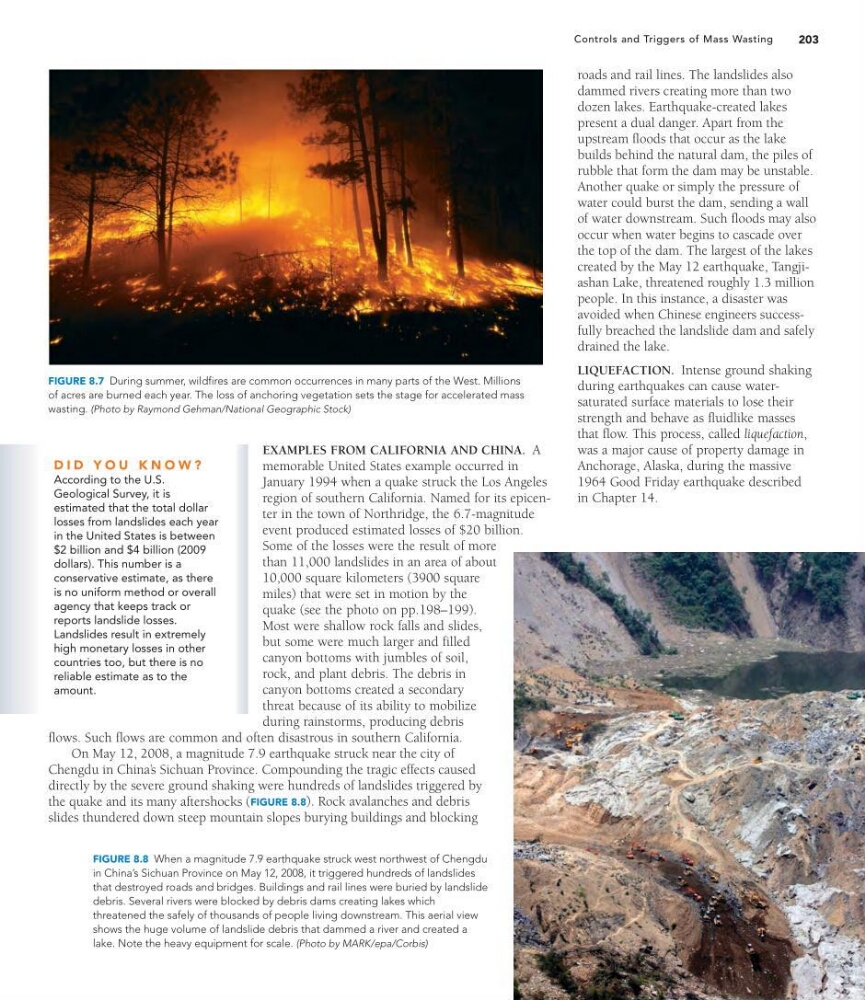
FIGURE 8.8 When a magnitude 7.9 earthquake struck west northwest of Chengdu
in China’s Sichuan Province on May 12, 2008, it triggered hundreds of landslides
that destroyed roads and bridges. Buildings and rail lines were buried by landslide
debris. Several rivers were blocked by debris dams creating lakes which
threatened the safely of thousands of people living downstream. This aerial view
shows the huge volume of landslide debris that dammed a river and created a
lake. Note the heavy equipment for scale. (Photo by MARK/epa/Corbis)
Controls and Triggers of Mass Wasting
EXAMPLES FROM CALIFORNIA AND CHINA. A
memorable United States example occurred in
January 1994 when a quake struck the Los Angeles
region of southern California. Named for its epicenter in the town of Northridge, the 6.7-magnitude
event produced estimated losses of $20 billion.
Some of the losses were the result of more
than 11,000 landslides in an area of about
10,000 square kilometers (3900 square
miles) that were set in motion by the
quake (see the photo on pp.198–199).
Most were shallow rock falls and slides,
but some were much larger and filled
canyon bottoms with jumbles of soil,
rock, and plant debris. The debris in
canyon bottoms created a secondary
threat because of its ability to mobilize
during rainstorms, producing debris
flows. Such flows are common and often disastrous in southern California.
On May 12, 2008, a magnitude 7.9 earthquake struck near the city of
Chengdu in China’ s Sichuan Province. Compounding the tragic effects caused
directly by the severe ground shaking were hundreds of landslides triggered by
the quake and its many aftershocks (FIGURE 8.8). Rock avalanches and debris
slides thundered down steep mountain slopes burying buildings and blocking
roads and rail lines. The landslides also
dammed rivers creating more than two
dozen lakes. Earthquake-created lakes
present a dual danger. Apart from the
upstream floods that occur as the lake
builds behind the natural dam, the piles of
rubble that form the dam may be unstable.
Another quake or simply the pressure of
water could burst the dam, sending a wall
of water downstream. Such floods may also
occur when water begins to cascade over
the top of the dam. The largest of the lakes
created by the May 12 earthquake, Tangjiashan Lake, threatened roughly 1.3 million
people. In this instance, a disaster was
avoided when Chinese engineers successfully breached the landslide dam and safely
drained the lake.
LIQUEFACTION. Intense ground shaking
during earthquakes can cause watersaturated surface materials to lose their
strength and behave as fluidlike masses
that flow. This process, called liquefaction,
was a major cause of property damage in
Anchorage, Alaska, during the massive
1964 Good Friday earthquake described
in Chapter 14.
D I D Y O U K N O W ?
According to the U.S.
Geological Survey, it is
estimated that the total dollar
losses from landslides each year
in the United States is between
$2 billion and $4 billion (2009
dollars). This number is a
conservative estimate, as there
is no uniform method or overall
agency that keeps track or
reports landslide losses.
Landslides result in extremely
high monetary losses in other
countries too, but there is no
reliable estimate as to the
amount.
FIGURE 8.7 During summer, wildfires are common occurrences in many parts of the West. Millions
of acres are burned each year. The loss of anchoring vegetation sets the stage for accelerated mass
wasting. (Photo by Raymond Gehman/National Geographic Stock)
FIGURE 8.8 When a magnitude 7.9 earthquake struck west northwest of Chengdu
in China’s Sichuan Province on May 12, 2008, it triggered hundreds of landslides
that destroyed roads and bridges. Buildings and rail lines were buried by landslide
debris. Several rivers were blocked by debris dams creating lakes which
threatened the safely of thousands of people living downstream. This aerial view
shows the huge volume of landslide debris that dammed a river and created a
lake. Note the heavy equipment for scale. (Photo by MARK/epa/Corbis)