

201
Controls and Triggers of Mass Wasting
initiates downslope movement is called a
trigger. Remember that the trigger is not the
sole cause of the mass-wasting event, but
just the last of many causes. Among the
common factors that trigger mass-wasting
processes are saturation of material with
water, oversteepening of slopes, removal of
anchoring vegetation, and ground vibrations from earthquakes.
The Role of Water
Mass wasting is sometimes triggered when
heavy rains or periods of snowmelt saturate
surface materials. This was the case in
October 1998 when torrential rains associated with Hurricane Mitch triggered devastating debris flows in Central America
(FIGURE 8.3). A case study of another raintriggered mass-wasting event that occurred
at La Conchita, California, in January 2005
is found at the end of this section.
When the pores in sediment become
filled with water, the cohesion among particles is destroyed, allowing them to slide
past one another with relative ease. For
example, when sand is slightly moist, it
sticks together quite well. However, if
enough water is added to fill the openings
between the grains, the sand will ooze
out in all directions (FIGURE 8.4). Thus,
saturation reduces the internal resistance of
materials, which are then easily set in
motion by the force of gravity. When clay is
wetted, it becomes very slick—another
example of the lubricating effect of water.
Water also adds considerable weight to a
mass of material. The added weight in itself
may be enough to cause the material to
slide or flow downslope.
Oversteepened Slopes
Oversteepening of slopes is another trigger
of many mass movements. There are many
situations in nature where oversteepening
takes place. A stream undercutting a valley
wall and waves pounding against the base
of a cliff are but two familiar examples.
Furthermore, through their activities,
people often create oversteepened and
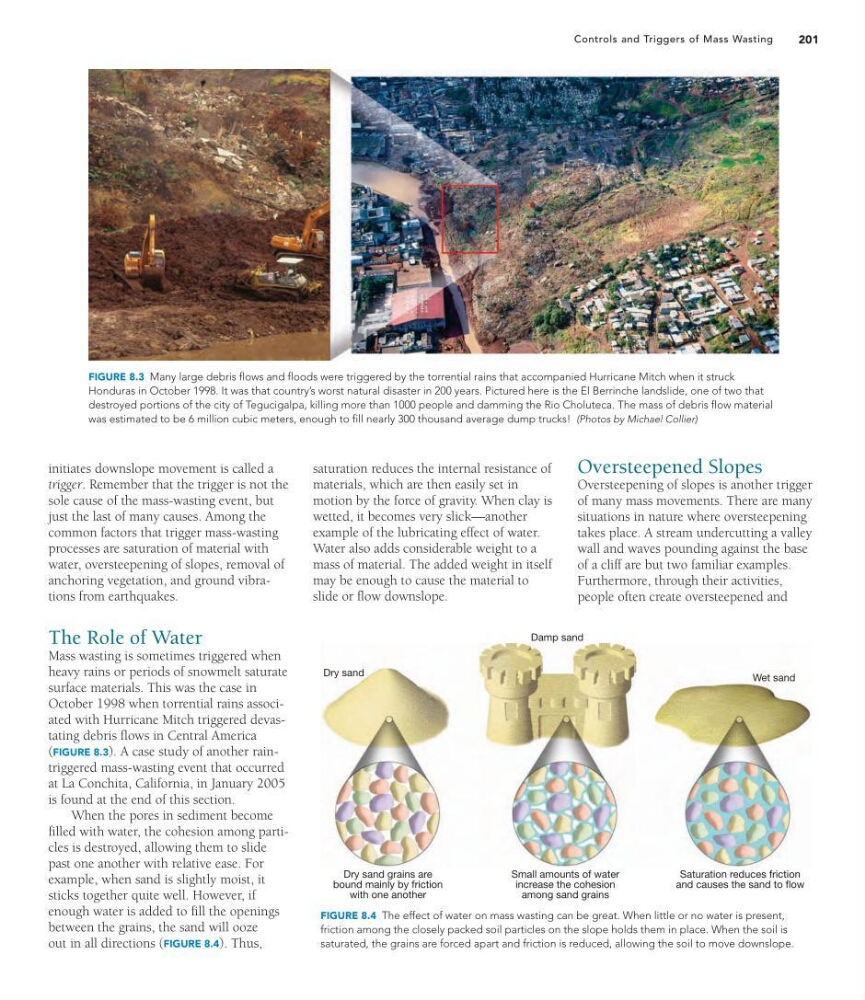
FIGURE 8.3 Many large debris flows and floods were triggered by the torrential rains that accompanied Hurricane Mitch when it struck
Honduras in October 1998. It was that country’s worst natural disaster in 200 years. Pictured here is the El Berrinche landslide, one of two that
destroyed portions of the city of Tegucigalpa, killing more than 1000 people and damming the Rio Choluteca. The mass of debris flow material
was estimated to be 6 million cubic meters, enough to fill nearly 300 thousand average dump trucks! (Photos by Michael Collier)
Dry sand
Dry sand grains are
bound mainly by friction
with one another
Small amounts of water
increase the cohesion
among sand grains
Saturation reduces friction
and causes the sand to flow
Damp sand
Wet sand
FIGURE 8.4 The effect of water on mass wasting can be great. When little or no water is present,
friction among the closely packed soil particles on the slope holds them in place. When the soil is
saturated, the grains are forced apart and friction is reduced, allowing the soil to move downslope.
Controls and Triggers of Mass Wasting
initiates downslope movement is called a
trigger. Remember that the trigger is not the
sole cause of the mass-wasting event, but
just the last of many causes. Among the
common factors that trigger mass-wasting
processes are saturation of material with
water, oversteepening of slopes, removal of
anchoring vegetation, and ground vibrations from earthquakes.
The Role of Water
Mass wasting is sometimes triggered when
heavy rains or periods of snowmelt saturate
surface materials. This was the case in
October 1998 when torrential rains associated with Hurricane Mitch triggered devastating debris flows in Central America
(FIGURE 8.3). A case study of another raintriggered mass-wasting event that occurred
at La Conchita, California, in January 2005
is found at the end of this section.
When the pores in sediment become
filled with water, the cohesion among particles is destroyed, allowing them to slide
past one another with relative ease. For
example, when sand is slightly moist, it
sticks together quite well. However, if
enough water is added to fill the openings
between the grains, the sand will ooze
out in all directions (FIGURE 8.4). Thus,
saturation reduces the internal resistance of
materials, which are then easily set in
motion by the force of gravity. When clay is
wetted, it becomes very slick—another
example of the lubricating effect of water.
Water also adds considerable weight to a
mass of material. The added weight in itself
may be enough to cause the material to
slide or flow downslope.
Oversteepened Slopes
Oversteepening of slopes is another trigger
of many mass movements. There are many
situations in nature where oversteepening
takes place. A stream undercutting a valley
wall and waves pounding against the base
of a cliff are but two familiar examples.
Furthermore, through their activities,
people often create oversteepened and
FIGURE 8.3 Many large debris flows and floods were triggered by the torrential rains that accompanied Hurricane Mitch when it struck
Honduras in October 1998. It was that country’s worst natural disaster in 200 years. Pictured here is the El Berrinche landslide, one of two that
destroyed portions of the city of Tegucigalpa, killing more than 1000 people and damming the Rio Choluteca. The mass of debris flow material
was estimated to be 6 million cubic meters, enough to fill nearly 300 thousand average dump trucks! (Photos by Michael Collier)
Dry sand
Dry sand grains are
bound mainly by friction
with one another
Small amounts of water
increase the cohesion
among sand grains
Saturation reduces friction
and causes the sand to flow
Damp sand
Wet sand
FIGURE 8.4 The effect of water on mass wasting can be great. When little or no water is present,
friction among the closely packed soil particles on the slope holds them in place. When the soil is
saturated, the grains are forced apart and friction is reduced, allowing the soil to move downslope.