

A.
Close up
B.
157
Chemical Sedimentary Rocks
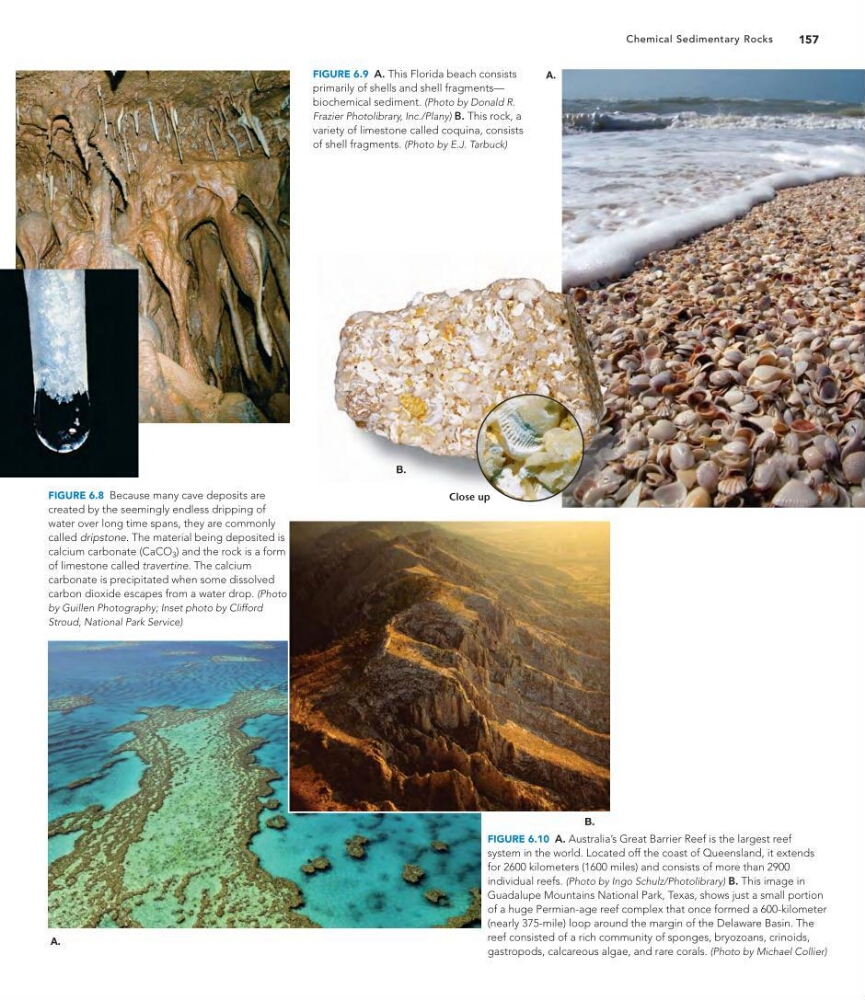
FIGURE 6.9 A. This Florida beach consists
primarily of shells and shell fragments—
biochemical sediment. (Photo by Donald R.
Frazier Photolibrary, Inc./Plany) B. This rock, a
variety of limestone called coquina, consists
of shell fragments. (Photo by E.J. Tarbuck)
FIGURE 6.8 Because many cave deposits are
created by the seemingly endless dripping of
water over long time spans, they are commonly
called dripstone. The material being deposited is
calcium carbonate (CaCO 3 ) and the rock is a form
of limestone called travertine. The calcium
carbonate is precipitated when some dissolved
carbon dioxide escapes from a water drop. (Photo
by Guillen Photography; Inset photo by Clifford
Stroud, National Park Service)
A.
B.
FIGURE 6.10 A. Australia’s Great Barrier Reef is the largest reef
system in the world. Located off the coast of Queensland, it extends
for 2600 kilometers (1600 miles) and consists of more than 2900
individual reefs. (Photo by Ingo Schulz/Photolibrary) B. This image in
Guadalupe Mountains National Park, Texas, shows just a small portion
of a huge Permian-age reef complex that once formed a 600-kilometer
(nearly 375-mile) loop around the margin of the Delaware Basin. The
reef consisted of a rich community of sponges, bryozoans, crinoids,
gastropods, calcareous algae, and rare corals. (Photo by Michael Collier)
Close up
B.
157
Chemical Sedimentary Rocks
FIGURE 6.9 A. This Florida beach consists
primarily of shells and shell fragments—
biochemical sediment. (Photo by Donald R.
Frazier Photolibrary, Inc./Plany) B. This rock, a
variety of limestone called coquina, consists
of shell fragments. (Photo by E.J. Tarbuck)
FIGURE 6.8 Because many cave deposits are
created by the seemingly endless dripping of
water over long time spans, they are commonly
called dripstone. The material being deposited is
calcium carbonate (CaCO 3 ) and the rock is a form
of limestone called travertine. The calcium
carbonate is precipitated when some dissolved
carbon dioxide escapes from a water drop. (Photo
by Guillen Photography; Inset photo by Clifford
Stroud, National Park Service)
A.
B.
FIGURE 6.10 A. Australia’s Great Barrier Reef is the largest reef
system in the world. Located off the coast of Queensland, it extends
for 2600 kilometers (1600 miles) and consists of more than 2900
individual reefs. (Photo by Ingo Schulz/Photolibrary) B. This image in
Guadalupe Mountains National Park, Texas, shows just a small portion
of a huge Permian-age reef complex that once formed a 600-kilometer
(nearly 375-mile) loop around the margin of the Delaware Basin. The
reef consisted of a rich community of sponges, bryozoans, crinoids,
gastropods, calcareous algae, and rare corals. (Photo by Michael Collier)