

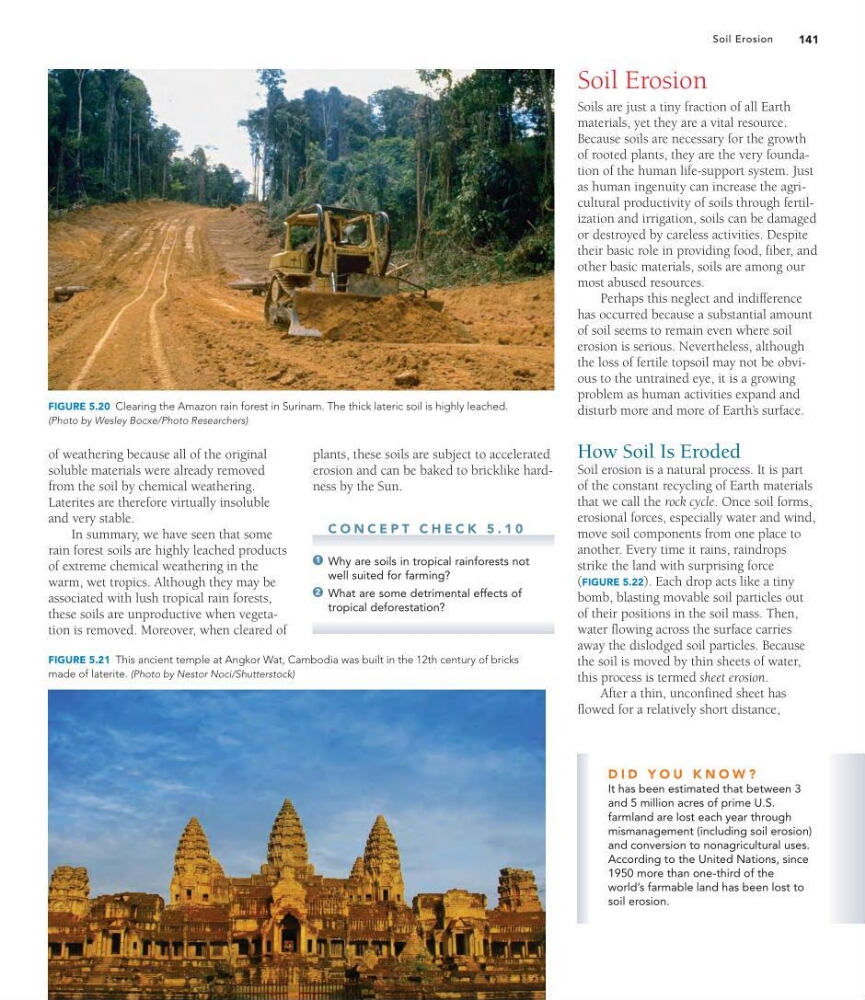
FIGURE 5.21 This ancient temple at Angkor Wat, Cambodia was built in the 12th century of bricks
made of laterite. (Photo by Nestor Noci/Shutterstock)
141
Soil Erosion
of weathering because all of the original
soluble materials were already removed
from the soil by chemical weathering.
Laterites are therefore virtually insoluble
and very stable.
In summary, we have seen that some
rain forest soils are highly leached products
of extreme chemical weathering in the
warm, wet tropics. Although they may be
associated with lush tropical rain forests,
these soils are unproductive when vegetation is removed. Moreover, when cleared of
plants, these soils are subject to accelerated
erosion and can be baked to bricklike hardness by the Sun.
C O N C E P T C H E C K 5 . 1 0
Why are soils in tropical rainforests not
well suited for farming?
What are some detrimental effects of
tropical deforestation?
2
1
Soil Erosion
Soils are just a tiny fraction of all Earth
materials, yet they are a vital resource.
Because soils are necessary for the growth
of rooted plants, they are the very foundation of the human life-support system. Just
as human ingenuity can increase the agricultural productivity of soils through fertilization and irrigation, soils can be damaged
or destroyed by careless activities. Despite
their basic role in providing food, fiber, and
other basic materials, soils are among our
most abused resources.
Perhaps this neglect and indifference
has occurred because a substantial amount
of soil seems to remain even where soil
erosion is serious. Nevertheless, although
the loss of fertile topsoil may not be obvious to the untrained eye, it is a growing
problem as human activities expand and
disturb more and more of Earth’ s surface.
How Soil Is Eroded
Soil erosion is a natural process. It is part
of the constant recycling of Earth materials
that we call the rock cycle. Once soil forms,
erosional forces, especially water and wind,
move soil components from one place to
another. Every time it rains, raindrops
strike the land with surprising force
(FIGURE 5.22). Each drop acts like a tiny
bomb, blasting movable soil particles out
of their positions in the soil mass. Then,
water flowing across the surface carries
away the dislodged soil particles. Because
the soil is moved by thin sheets of water,
this process is termed sheet erosion.
After a thin, unconfined sheet has
flowed for a relatively short distance,
FIGURE 5.20 Clearing the Amazon rain forest in Surinam. The thick lateric soil is highly leached.
(Photo by Wesley Bocxe/Photo Researchers)
D I D Y O U K N O W ?
It has been estimated that between 3
and 5 million acres of prime U.S.
farmland are lost each year through
mismanagement (including soil erosion)
and conversion to nonagricultural uses.
According to the United Nations, since
1950 more than one-third of the
world’s farmable land has been lost to
soil erosion.
made of laterite. (Photo by Nestor Noci/Shutterstock)
141
Soil Erosion
of weathering because all of the original
soluble materials were already removed
from the soil by chemical weathering.
Laterites are therefore virtually insoluble
and very stable.
In summary, we have seen that some
rain forest soils are highly leached products
of extreme chemical weathering in the
warm, wet tropics. Although they may be
associated with lush tropical rain forests,
these soils are unproductive when vegetation is removed. Moreover, when cleared of
plants, these soils are subject to accelerated
erosion and can be baked to bricklike hardness by the Sun.
C O N C E P T C H E C K 5 . 1 0
Why are soils in tropical rainforests not
well suited for farming?
What are some detrimental effects of
tropical deforestation?
2
1
Soil Erosion
Soils are just a tiny fraction of all Earth
materials, yet they are a vital resource.
Because soils are necessary for the growth
of rooted plants, they are the very foundation of the human life-support system. Just
as human ingenuity can increase the agricultural productivity of soils through fertilization and irrigation, soils can be damaged
or destroyed by careless activities. Despite
their basic role in providing food, fiber, and
other basic materials, soils are among our
most abused resources.
Perhaps this neglect and indifference
has occurred because a substantial amount
of soil seems to remain even where soil
erosion is serious. Nevertheless, although
the loss of fertile topsoil may not be obvious to the untrained eye, it is a growing
problem as human activities expand and
disturb more and more of Earth’ s surface.
How Soil Is Eroded
Soil erosion is a natural process. It is part
of the constant recycling of Earth materials
that we call the rock cycle. Once soil forms,
erosional forces, especially water and wind,
move soil components from one place to
another. Every time it rains, raindrops
strike the land with surprising force
(FIGURE 5.22). Each drop acts like a tiny
bomb, blasting movable soil particles out
of their positions in the soil mass. Then,
water flowing across the surface carries
away the dislodged soil particles. Because
the soil is moved by thin sheets of water,
this process is termed sheet erosion.
After a thin, unconfined sheet has
flowed for a relatively short distance,
FIGURE 5.20 Clearing the Amazon rain forest in Surinam. The thick lateric soil is highly leached.
(Photo by Wesley Bocxe/Photo Researchers)
D I D Y O U K N O W ?
It has been estimated that between 3
and 5 million acres of prime U.S.
farmland are lost each year through
mismanagement (including soil erosion)
and conversion to nonagricultural uses.
According to the United Nations, since
1950 more than one-third of the
world’s farmable land has been lost to
soil erosion.