

CHAPTER 5 Weathering and Soils
126
4 square units ϫ
6 sides ϫ
1 cube ϭ
24 square units
1 square unit ϫ
6 sides ϫ
8 cubes ϭ
48 square units
.25 square unit ϫ
6 sides ϫ
64 cubes ϭ
96 square units
4 square
units
1 square
unit
2
1
1
.5 .5
2
Inc re as e in su rfa ce ar ea
Frost wedging
D I D Y O U K N O W ?
The intense heat from a brush or forest
fire can cause flakes of rock to spall
from boulders or bedrock. As the rock
surface becomes overheated, a thin
layer expands and shatters.
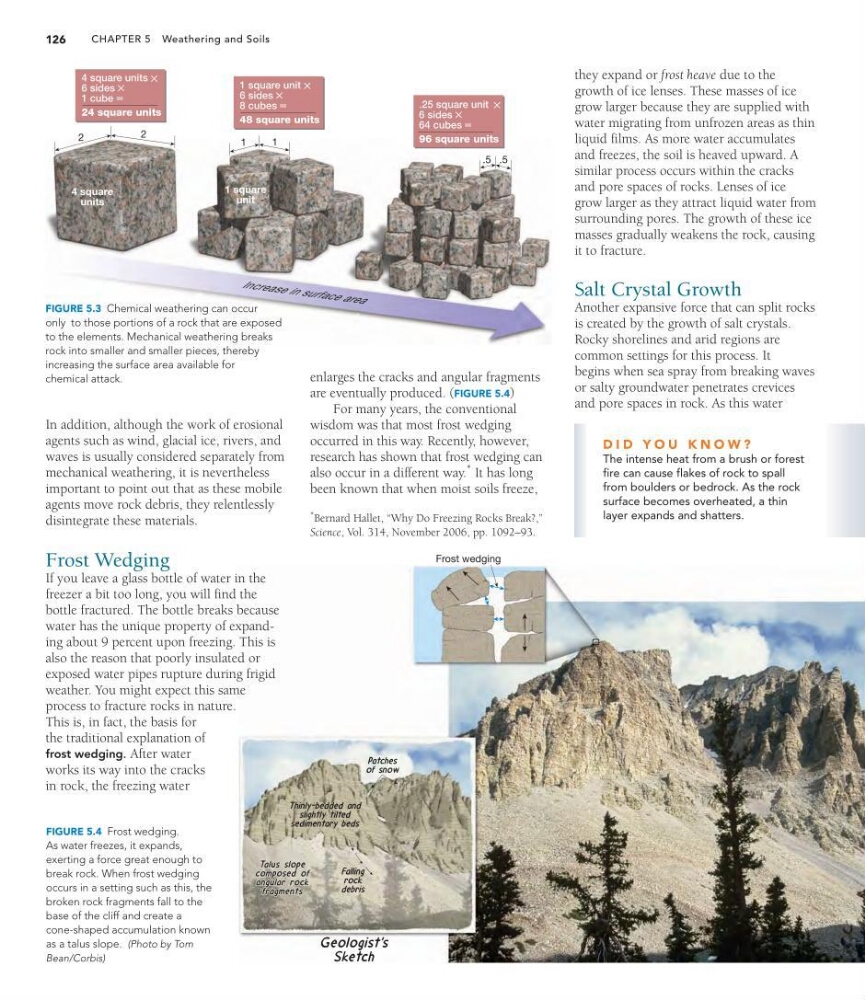
FIGURE 5.3 Chemical weathering can occur
only to those portions of a rock that are exposed
to the elements. Mechanical weathering breaks
rock into smaller and smaller pieces, thereby
increasing the surface area available for
chemical attack.
FIGURE 5.4 Frost wedging.
As water freezes, it expands,
exerting a force great enough to
break rock. When frost wedging
occurs in a setting such as this, the
broken rock fragments fall to the
base of the cliff and create a
cone-shaped accumulation known
as a talus slope. (Photo by Tom
Bean/Corbis)
In addition, although the work of erosional
agents such as wind, glacial ice, rivers, and
waves is usually considered separately from
mechanical weathering, it is nevertheless
important to point out that as these mobile
agents move rock debris, they relentlessly
disintegrate these materials.
Frost Wedging
If you leave a glass bottle of water in the
freezer a bit too long, you will find the
bottle fractured. The bottle breaks because
water has the unique property of expanding about 9 percent upon freezing. This is
also the reason that poorly insulated or
exposed water pipes rupture during frigid
weather. You might expect this same
process to fracture rocks in nature.
This is, in fact, the basis for
the traditional explanation of
frost wedging. After water
works its way into the cracks
in rock, the freezing water
enlarges the cracks and angular fragments
are eventually produced. (FIGURE 5.4)
For many years, the conventional
wisdom was that most frost wedging
occurred in this way. Recently, however,
research has shown that frost wedging can
also occur in a different way.
* It has long
been known that when moist soils freeze,
they expand or frost heave due to the
growth of ice lenses. These masses of ice
grow larger because they are supplied with
water migrating from unfrozen areas as thin
liquid films. As more water accumulates
and freezes, the soil is heaved upward. A
similar process occurs within the cracks
and pore spaces of rocks. Lenses of ice
grow larger as they attract liquid water from
surrounding pores. The growth of these ice
masses gradually weakens the rock, causing
it to fracture.
Salt Crystal Growth
Another expansive force that can split rocks
is created by the growth of salt crystals.
Rocky shorelines and arid regions are
common settings for this process. It
begins when sea spray from breaking waves
or salty groundwater penetrates crevices
and pore spaces in rock. As this water
* Bernard Hallet, “Why Do Freezing Rocks Break?,”
Science, Vol. 314, November 2006, pp. 1092–93.
126
4 square units ϫ
6 sides ϫ
1 cube ϭ
24 square units
1 square unit ϫ
6 sides ϫ
8 cubes ϭ
48 square units
.25 square unit ϫ
6 sides ϫ
64 cubes ϭ
96 square units
4 square
units
1 square
unit
2
1
1
.5 .5
2
Inc re as e in su rfa ce ar ea
Frost wedging
D I D Y O U K N O W ?
The intense heat from a brush or forest
fire can cause flakes of rock to spall
from boulders or bedrock. As the rock
surface becomes overheated, a thin
layer expands and shatters.
FIGURE 5.3 Chemical weathering can occur
only to those portions of a rock that are exposed
to the elements. Mechanical weathering breaks
rock into smaller and smaller pieces, thereby
increasing the surface area available for
chemical attack.
FIGURE 5.4 Frost wedging.
As water freezes, it expands,
exerting a force great enough to
break rock. When frost wedging
occurs in a setting such as this, the
broken rock fragments fall to the
base of the cliff and create a
cone-shaped accumulation known
as a talus slope. (Photo by Tom
Bean/Corbis)
In addition, although the work of erosional
agents such as wind, glacial ice, rivers, and
waves is usually considered separately from
mechanical weathering, it is nevertheless
important to point out that as these mobile
agents move rock debris, they relentlessly
disintegrate these materials.
Frost Wedging
If you leave a glass bottle of water in the
freezer a bit too long, you will find the
bottle fractured. The bottle breaks because
water has the unique property of expanding about 9 percent upon freezing. This is
also the reason that poorly insulated or
exposed water pipes rupture during frigid
weather. You might expect this same
process to fracture rocks in nature.
This is, in fact, the basis for
the traditional explanation of
frost wedging. After water
works its way into the cracks
in rock, the freezing water
enlarges the cracks and angular fragments
are eventually produced. (FIGURE 5.4)
For many years, the conventional
wisdom was that most frost wedging
occurred in this way. Recently, however,
research has shown that frost wedging can
also occur in a different way.
* It has long
been known that when moist soils freeze,
they expand or frost heave due to the
growth of ice lenses. These masses of ice
grow larger because they are supplied with
water migrating from unfrozen areas as thin
liquid films. As more water accumulates
and freezes, the soil is heaved upward. A
similar process occurs within the cracks
and pore spaces of rocks. Lenses of ice
grow larger as they attract liquid water from
surrounding pores. The growth of these ice
masses gradually weakens the rock, causing
it to fracture.
Salt Crystal Growth
Another expansive force that can split rocks
is created by the growth of salt crystals.
Rocky shorelines and arid regions are
common settings for this process. It
begins when sea spray from breaking waves
or salty groundwater penetrates crevices
and pore spaces in rock. As this water
* Bernard Hallet, “Why Do Freezing Rocks Break?,”
Science, Vol. 314, November 2006, pp. 1092–93.