

95
Materials Extruded during an Eruption
into fragments (ash and pumice) that are
carried to great heights by the hot gases.
(As exemplified by the 1980 eruption of
Mount St. Helens, the collapse of a volcano’ s flank can also trigger an energetic
explosive eruption.)
When magma in the uppermost portion of the magma chamber is forcefully
ejected by the escaping gases, the confining
pressure on the molten rock directly below
drops suddenly. Thus, rather than a single
“bang,” volcanic eruptions are really a series
of explosions. This process might logically
continue until the entire magma chamber is
emptied, much like a geyser empties itself
of water (see Chapter 10). However, this is
generally not the case. It is typically only
the magma in the upper part of a magma
chamber that has a sufficiently high gas
content to trigger a steam-and-ash
explosion.
To summarize, the viscosity of magma
plus the quantity of dissolved gases and the
ease with which they can escape largely
determine the nature of a volcanic eruption. In general, hot basaltic magmas
contain a smaller gaseous component and
permit these gases to escape with relative
ease as compared to more highly evolved
andesitic and rhyolitic magmas. This
explains the contrast between “gentle” outflows of fluid basaltic lavas in Hawaii and
the explosive and sometimes catastrophic
eruptions of viscous lavas from volcanoes
such as Mount St. Helens (1980), Mount
Pinatubo in the Philippines (1991), and
Soufriere Hills on the island of Montserrat
(1995).
C O N C E P T C H E C K 4 . 2
List three factors that determine the nature of a volcanic eruption. What role does each play?
Generally, what triggers a Hawaiian-type eruption?
Why is a volcano fed by highly viscous magma likely to be a greater threat to life and property than a volcano supplied with very fluid magma?
Materials Extruded during an Eruption
Volcanoes
Materials Extruded during an Eruption
Volcanoes extrude lava, large volumes of gas, and pyroclastic materials (broken rock, lava
“bombs,” fine ash, and dust). In this section we will examine each of these materials.
Lava Flows
The vast majority of lava on Earth, more than
90 percent of the total volume, is estimated
to be basaltic in composition. Andesites
and other lavas of intermediate composition account for most of the rest, while
rhyolitic (felsic) flows make up as little as
1 percent of the total.
Hot basaltic lavas, which are usually
very fluid, generally flow in thin, broad
sheets or streamlike ribbons. On the
island of Hawaii, these lavas have been
clocked at 30 kilometers (19 miles) per
hour down steep slopes. However, flow
rates of 10 to 300 meters (30 to 1000 feet)
per hour are more common. By contrast,
the movement of silica-rich, rhyolitic lava
may be too slow to perceive. Furthermore,
most rhyolitic lavas seldom travel more
than a few kilometers from their vents. As
you might expect, andesitic lavas, which
are intermediate in composition, exhibit
characteristics that are between the
extremes.
GEODe
ESSENTIALS
OF GEOLOGY
3
2
1
D I D Y O U K N O W ?
Chile, Peru, and Ecuador boast the
highest volcanoes in the world. In
these places dozens of cones exceed
20,000 feet. In fact, two volcanoes
located in Ecuador, named
Chimborazo and Cotopaxi, were
once considered the world’s highest
mountains. That distinction remained
until the Himalayas were surveyed in
the 19th century.
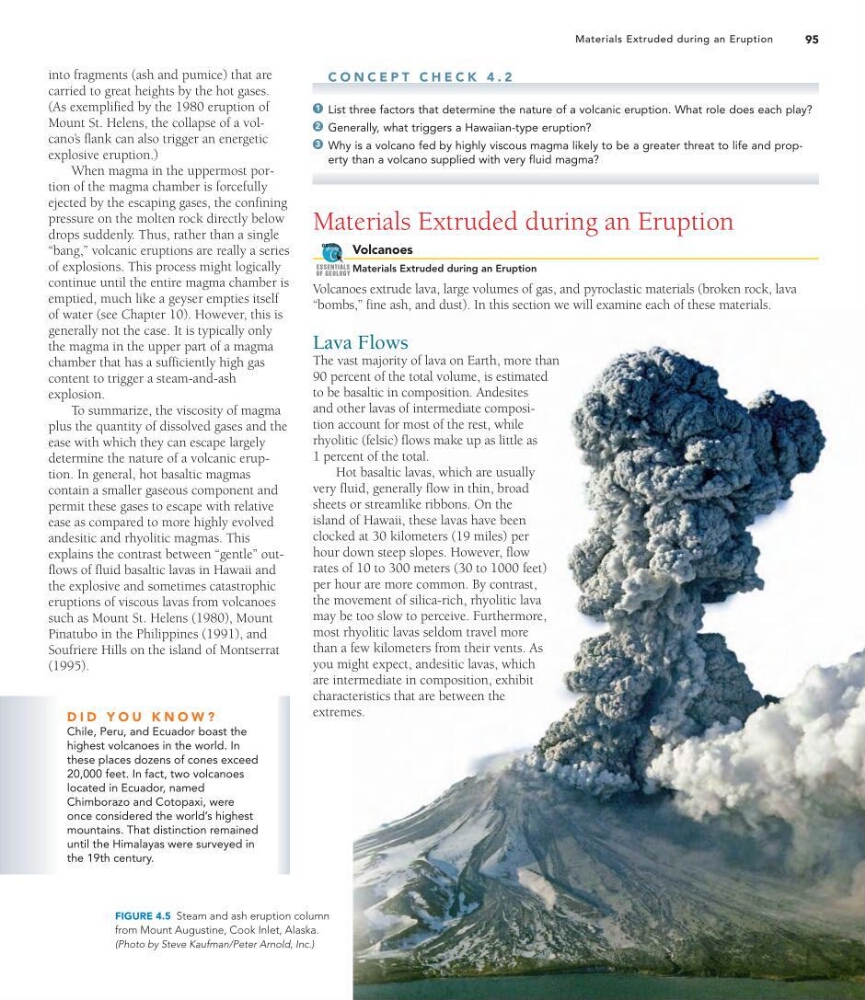
FIGURE 4.5 Steam and ash eruption column
from Mount Augustine, Cook Inlet, Alaska.
(Photo by Steve Kaufman/Peter Arnold, Inc.)
Materials Extruded during an Eruption
into fragments (ash and pumice) that are
carried to great heights by the hot gases.
(As exemplified by the 1980 eruption of
Mount St. Helens, the collapse of a volcano’ s flank can also trigger an energetic
explosive eruption.)
When magma in the uppermost portion of the magma chamber is forcefully
ejected by the escaping gases, the confining
pressure on the molten rock directly below
drops suddenly. Thus, rather than a single
“bang,” volcanic eruptions are really a series
of explosions. This process might logically
continue until the entire magma chamber is
emptied, much like a geyser empties itself
of water (see Chapter 10). However, this is
generally not the case. It is typically only
the magma in the upper part of a magma
chamber that has a sufficiently high gas
content to trigger a steam-and-ash
explosion.
To summarize, the viscosity of magma
plus the quantity of dissolved gases and the
ease with which they can escape largely
determine the nature of a volcanic eruption. In general, hot basaltic magmas
contain a smaller gaseous component and
permit these gases to escape with relative
ease as compared to more highly evolved
andesitic and rhyolitic magmas. This
explains the contrast between “gentle” outflows of fluid basaltic lavas in Hawaii and
the explosive and sometimes catastrophic
eruptions of viscous lavas from volcanoes
such as Mount St. Helens (1980), Mount
Pinatubo in the Philippines (1991), and
Soufriere Hills on the island of Montserrat
(1995).
C O N C E P T C H E C K 4 . 2
List three factors that determine the nature of a volcanic eruption. What role does each play?
Generally, what triggers a Hawaiian-type eruption?
Why is a volcano fed by highly viscous magma likely to be a greater threat to life and property than a volcano supplied with very fluid magma?
Materials Extruded during an Eruption
Volcanoes
Materials Extruded during an Eruption
Volcanoes extrude lava, large volumes of gas, and pyroclastic materials (broken rock, lava
“bombs,” fine ash, and dust). In this section we will examine each of these materials.
Lava Flows
The vast majority of lava on Earth, more than
90 percent of the total volume, is estimated
to be basaltic in composition. Andesites
and other lavas of intermediate composition account for most of the rest, while
rhyolitic (felsic) flows make up as little as
1 percent of the total.
Hot basaltic lavas, which are usually
very fluid, generally flow in thin, broad
sheets or streamlike ribbons. On the
island of Hawaii, these lavas have been
clocked at 30 kilometers (19 miles) per
hour down steep slopes. However, flow
rates of 10 to 300 meters (30 to 1000 feet)
per hour are more common. By contrast,
the movement of silica-rich, rhyolitic lava
may be too slow to perceive. Furthermore,
most rhyolitic lavas seldom travel more
than a few kilometers from their vents. As
you might expect, andesitic lavas, which
are intermediate in composition, exhibit
characteristics that are between the
extremes.
GEODe
ESSENTIALS
OF GEOLOGY
3
2
1
D I D Y O U K N O W ?
Chile, Peru, and Ecuador boast the
highest volcanoes in the world. In
these places dozens of cones exceed
20,000 feet. In fact, two volcanoes
located in Ecuador, named
Chimborazo and Cotopaxi, were
once considered the world’s highest
mountains. That distinction remained
until the Himalayas were surveyed in
the 19th century.
FIGURE 4.5 Steam and ash eruption column
from Mount Augustine, Cook Inlet, Alaska.
(Photo by Steve Kaufman/Peter Arnold, Inc.)