

CHAPTER 4 Volcanoes and Volcanic Hazards
94
Vent
Conduit
Atmosphere
Crust
Lithosphere
Asthenosphere
Magma
chamber
Ascent of
silica-rich
magma
Ponding of
basaltic magma
and differentiation
Rise of basaltic
magma through
lithosphere
Partial melting
in uppermost
asthenosphere
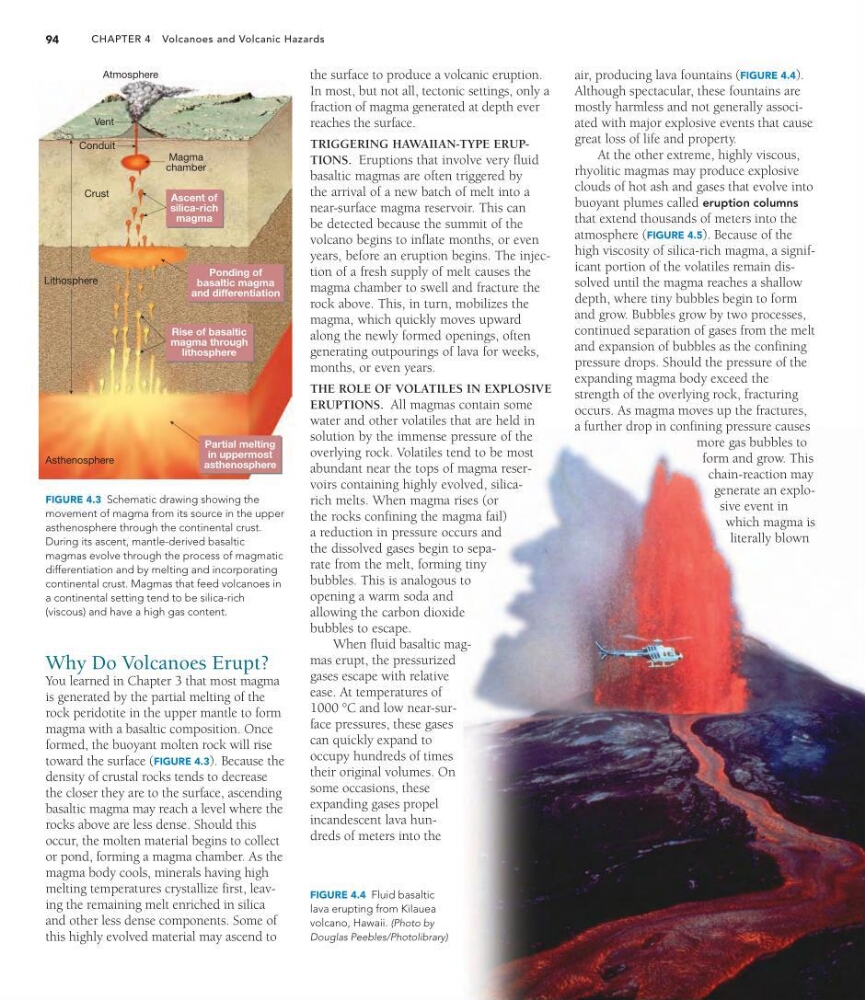
FIGURE 4.3 Schematic drawing showing the
movement of magma from its source in the upper
asthenosphere through the continental crust.
During its ascent, mantle-derived basaltic
magmas evolve through the process of magmatic
differentiation and by melting and incorporating
continental crust. Magmas that feed volcanoes in
a continental setting tend to be silica-rich
(viscous) and have a high gas content.
Why Do Volcanoes Erupt?
You learned in Chapter 3 that most magma
is generated by the partial melting of the
rock peridotite in the upper mantle to form
magma with a basaltic composition. Once
formed, the buoyant molten rock will rise
toward the surface (FIGURE 4.3). Because the
density of crustal rocks tends to decrease
the closer they are to the surface, ascending
basaltic magma may reach a level where the
rocks above are less dense. Should this
occur, the molten material begins to collect
or pond, forming a magma chamber. As the
magma body cools, minerals having high
melting temperatures crystallize first, leaving the remaining melt enriched in silica
and other less dense components. Some of
this highly evolved material may ascend to
the surface to produce a volcanic eruption.
In most, but not all, tectonic settings, only a
fraction of magma generated at depth ever
reaches the surface.
TRIGGERING HAWAIIAN-TYPE ERUPTIONS. Eruptions that involve very fluid
basaltic magmas are often triggered by
the arrival of a new batch of melt into a
near-surface magma reservoir. This can
be detected because the summit of the
volcano begins to inflate months, or even
years, before an eruption begins. The injection of a fresh supply of melt causes the
magma chamber to swell and fracture the
rock above. This, in turn, mobilizes the
magma, which quickly moves upward
along the newly formed openings, often
generating outpourings of lava for weeks,
months, or even years.
THE ROLE OF VOLATILES IN EXPLOSIVE
ERUPTIONS. All magmas contain some
water and other volatiles that are held in
solution by the immense pressure of the
overlying rock. Volatiles tend to be most
abundant near the tops of magma reservoirs containing highly evolved, silicarich melts. When magma rises (or
the rocks confining the magma fail)
a reduction in pressure occurs and
the dissolved gases begin to separate from the melt, forming tiny
bubbles. This is analogous to
opening a warm soda and
allowing the carbon dioxide
bubbles to escape.
When fluid basaltic magmas erupt, the pressurized
gases escape with relative
ease. At temperatures of
1000 °C and low near-surface pressures, these gases
can quickly expand to
occupy hundreds of times
their original volumes. On
some occasions, these
expanding gases propel
incandescent lava hundreds of meters into the
air, producing lava fountains (FIGURE 4.4).
Although spectacular, these fountains are
mostly harmless and not generally associated with major explosive events that cause
great loss of life and property.
At the other extreme, highly viscous,
rhyolitic magmas may produce explosive
clouds of hot ash and gases that evolve into
buoyant plumes called eruption columns
that extend thousands of meters into the
atmosphere (FIGURE 4.5). Because of the
high viscosity of silica-rich magma, a significant portion of the volatiles remain dissolved until the magma reaches a shallow
depth, where tiny bubbles begin to form
and grow. Bubbles grow by two processes,
continued separation of gases from the melt
and expansion of bubbles as the confining
pressure drops. Should the pressure of the
expanding magma body exceed the
strength of the overlying rock, fracturing
occurs. As magma moves up the fractures,
a further drop in confining pressure causes
more gas bubbles to
form and grow. This
chain-reaction may
generate an explosive event in
which magma is
literally blown
FIGURE 4.4 Fluid basaltic
lava erupting from Kilauea
volcano, Hawaii. (Photo by
Douglas Peebles/Photolibrary)
94
Vent
Conduit
Atmosphere
Crust
Lithosphere
Asthenosphere
Magma
chamber
Ascent of
silica-rich
magma
Ponding of
basaltic magma
and differentiation
Rise of basaltic
magma through
lithosphere
Partial melting
in uppermost
asthenosphere
FIGURE 4.3 Schematic drawing showing the
movement of magma from its source in the upper
asthenosphere through the continental crust.
During its ascent, mantle-derived basaltic
magmas evolve through the process of magmatic
differentiation and by melting and incorporating
continental crust. Magmas that feed volcanoes in
a continental setting tend to be silica-rich
(viscous) and have a high gas content.
Why Do Volcanoes Erupt?
You learned in Chapter 3 that most magma
is generated by the partial melting of the
rock peridotite in the upper mantle to form
magma with a basaltic composition. Once
formed, the buoyant molten rock will rise
toward the surface (FIGURE 4.3). Because the
density of crustal rocks tends to decrease
the closer they are to the surface, ascending
basaltic magma may reach a level where the
rocks above are less dense. Should this
occur, the molten material begins to collect
or pond, forming a magma chamber. As the
magma body cools, minerals having high
melting temperatures crystallize first, leaving the remaining melt enriched in silica
and other less dense components. Some of
this highly evolved material may ascend to
the surface to produce a volcanic eruption.
In most, but not all, tectonic settings, only a
fraction of magma generated at depth ever
reaches the surface.
TRIGGERING HAWAIIAN-TYPE ERUPTIONS. Eruptions that involve very fluid
basaltic magmas are often triggered by
the arrival of a new batch of melt into a
near-surface magma reservoir. This can
be detected because the summit of the
volcano begins to inflate months, or even
years, before an eruption begins. The injection of a fresh supply of melt causes the
magma chamber to swell and fracture the
rock above. This, in turn, mobilizes the
magma, which quickly moves upward
along the newly formed openings, often
generating outpourings of lava for weeks,
months, or even years.
THE ROLE OF VOLATILES IN EXPLOSIVE
ERUPTIONS. All magmas contain some
water and other volatiles that are held in
solution by the immense pressure of the
overlying rock. Volatiles tend to be most
abundant near the tops of magma reservoirs containing highly evolved, silicarich melts. When magma rises (or
the rocks confining the magma fail)
a reduction in pressure occurs and
the dissolved gases begin to separate from the melt, forming tiny
bubbles. This is analogous to
opening a warm soda and
allowing the carbon dioxide
bubbles to escape.
When fluid basaltic magmas erupt, the pressurized
gases escape with relative
ease. At temperatures of
1000 °C and low near-surface pressures, these gases
can quickly expand to
occupy hundreds of times
their original volumes. On
some occasions, these
expanding gases propel
incandescent lava hundreds of meters into the
air, producing lava fountains (FIGURE 4.4).
Although spectacular, these fountains are
mostly harmless and not generally associated with major explosive events that cause
great loss of life and property.
At the other extreme, highly viscous,
rhyolitic magmas may produce explosive
clouds of hot ash and gases that evolve into
buoyant plumes called eruption columns
that extend thousands of meters into the
atmosphere (FIGURE 4.5). Because of the
high viscosity of silica-rich magma, a significant portion of the volatiles remain dissolved until the magma reaches a shallow
depth, where tiny bubbles begin to form
and grow. Bubbles grow by two processes,
continued separation of gases from the melt
and expansion of bubbles as the confining
pressure drops. Should the pressure of the
expanding magma body exceed the
strength of the overlying rock, fracturing
occurs. As magma moves up the fractures,
a further drop in confining pressure causes
more gas bubbles to
form and grow. This
chain-reaction may
generate an explosive event in
which magma is
literally blown
FIGURE 4.4 Fluid basaltic
lava erupting from Kilauea
volcano, Hawaii. (Photo by
Douglas Peebles/Photolibrary)