

I. LITERATURE REVIEW OF OFFSHORE OIL AND GAS DRILLING
27
The sections of the well decrease in diameter as the drilling progresses depending on the depth.
In the first section of the well (36''~0.914 mm), a metal casing crosses the water column up to
500 m on average and its diameter shrinks to 26''.
The casing continues with the depth to the source rock where the steel tubes, whose diameter is
smaller and smaller, are cemented as they go to stabilize the walls of the well and avoid the risk
of leakage of fluids called training losses.
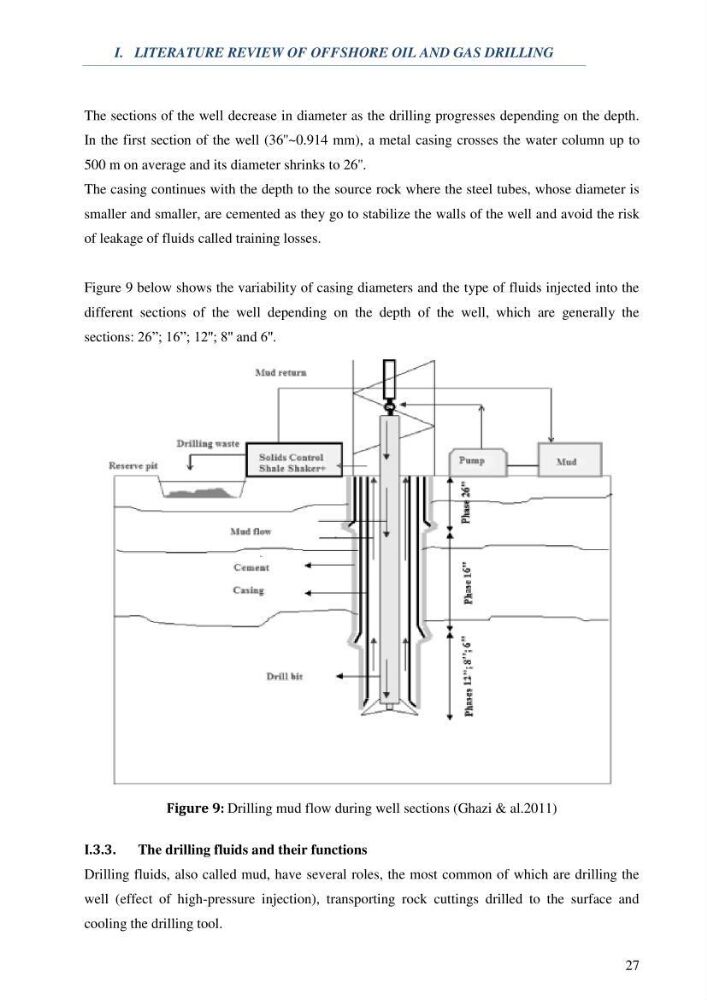
Figure 9 below shows the variability of casing diameters and the type of fluids injected into the
different sections of the well depending on the depth of the well, which are generally the
sections: 26”; 16”; 12''; 8'' and 6''.
Figure 9: Drilling mud flow during well sections (Ghazi & al.2011)
I.3.3.
The drilling fluids and their functions
Drilling fluids, also called mud, have several roles, the most common of which are drilling the
well (effect of high-pressure injection), transporting rock cuttings drilled to the surface and
cooling the drilling tool.
27
The sections of the well decrease in diameter as the drilling progresses depending on the depth.
In the first section of the well (36''~0.914 mm), a metal casing crosses the water column up to
500 m on average and its diameter shrinks to 26''.
The casing continues with the depth to the source rock where the steel tubes, whose diameter is
smaller and smaller, are cemented as they go to stabilize the walls of the well and avoid the risk
of leakage of fluids called training losses.
Figure 9 below shows the variability of casing diameters and the type of fluids injected into the
different sections of the well depending on the depth of the well, which are generally the
sections: 26”; 16”; 12''; 8'' and 6''.
Figure 9: Drilling mud flow during well sections (Ghazi & al.2011)
I.3.3.
The drilling fluids and their functions
Drilling fluids, also called mud, have several roles, the most common of which are drilling the
well (effect of high-pressure injection), transporting rock cuttings drilled to the surface and
cooling the drilling tool.