

202
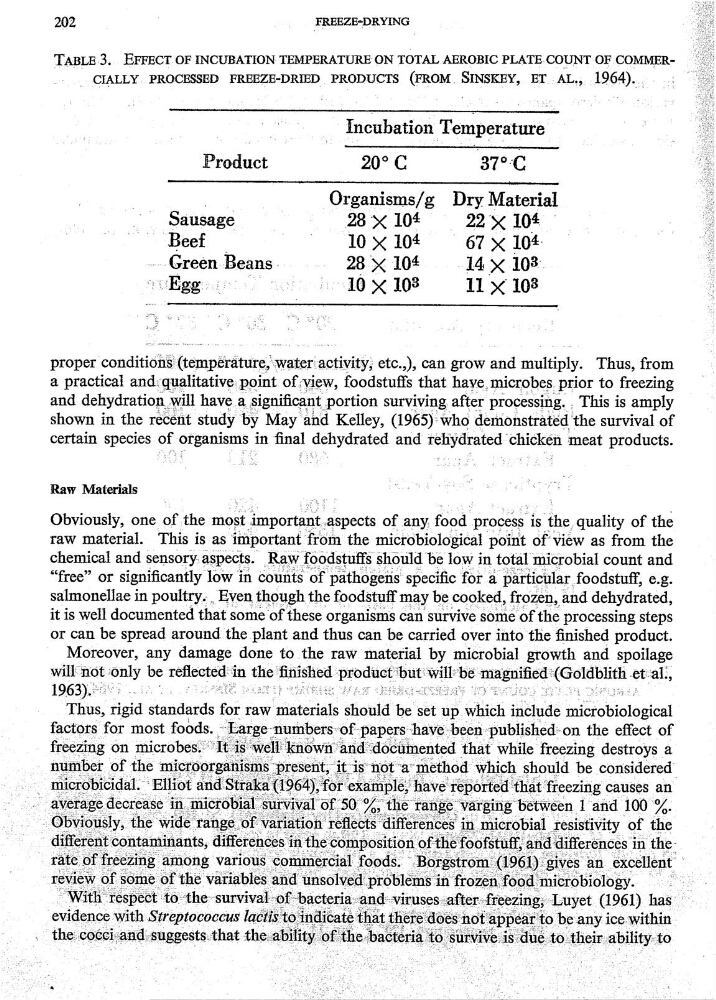
TABLE 3. EFFECT or INCUBATION TEMPERATURE ON TOTAL AEROBIC PLATECO}INT oncomæn'
.
CIALLY- PROCESSED FREEZE—DRŒD PRODUCTS (FROM SINSKEY, ET _AL,, 1964)._.__
‘
,
‘
,
‘
’
Incubation Temperature
‘
'
Product
20° C
37°C
,
_
_
Organisms/g Dry Material
_
Sausage
_
-
28 >< ll0f4
'
22 "X 104.
'
,
_
10 X 104
67 X l04'
28>< 104
14 _X 1031
etc.,), can grow and multiply. Thus, from
a practical
of
foodstu"s that
prior to freezing
and
havea
suryiying after
This is amply
‘
shown in the rèËëñt studÿ by
Kelley,
survival of
certain species of organisms in nal dehydrated and rehydraÏted‘chiCken meat products.
Raw Materials
_
_
'
’
Obviously, one cfthe
of any
quality of the
raw material.
This is as "iñiportant‘fronl the mictôbiOlo£ièä ptt
as from the
chemical and
aspects Raw foodstusshould 15e 10yv_ in total'microbial count and
“free” or
in
fbr
e.g.
setlmonellae in
EVen though the foodStu‘ may be
dehydrated,
it is well documented thatsbniè°0f these organisnîs can
processing steps
or can be spread around the plant and thus can be carried over into the nished product.
Moreover, any damage done to the raw material by microbial growth and spoilage
wt‘îdt ronly be œecæ'&in
1953) …
.
‘
,
rigid standards
materials should"be set
inc1ude microbiological
_
factorsfor most foods.
the effect of
_
freezmg cn microbesItlsWellknownanddocumented that" while freezing destroys a
,
numbe ;of
m1croorgamsmwreseut1t1snotamemd
be considered
’
:
d1€feîconŒmmats derenœsmthecomposülonof‘fhefoofstufïandderenœSÿiîhÇ;
'
rateoffreezmgamong variouscommerœalfoods Borgstrom(l9ôl)glves an excellent ‘
W1thr68pect
,
(1961) has
‘
evidênœ “With Streptococcus lactlmmdwaœthatîheredoesnotappeartobeany
7
TABLE 3. EFFECT or INCUBATION TEMPERATURE ON TOTAL AEROBIC PLATECO}INT oncomæn'
.
CIALLY- PROCESSED FREEZE—DRŒD PRODUCTS (FROM SINSKEY, ET _AL,, 1964)._.__
‘
,
‘
,
‘
’
Incubation Temperature
‘
'
Product
20° C
37°C
,
_
_
Organisms/g Dry Material
_
Sausage
_
-
28 >< ll0f4
'
22 "X 104.
'
,
_
10 X 104
67 X l04'
28>< 104
14 _X 1031
etc.,), can grow and multiply. Thus, from
a practical
of
foodstu"s that
prior to freezing
and
havea
suryiying after
This is amply
‘
shown in the rèËëñt studÿ by
Kelley,
survival of
certain species of organisms in nal dehydrated and rehydraÏted‘chiCken meat products.
Raw Materials
_
_
'
’
Obviously, one cfthe
of any
quality of the
raw material.
This is as "iñiportant‘fronl the mictôbiOlo£ièä ptt
as from the
chemical and
aspects Raw foodstusshould 15e 10yv_ in total'microbial count and
“free” or
in
fbr
e.g.
setlmonellae in
EVen though the foodStu‘ may be
dehydrated,
it is well documented thatsbniè°0f these organisnîs can
processing steps
or can be spread around the plant and thus can be carried over into the nished product.
Moreover, any damage done to the raw material by microbial growth and spoilage
wt‘îdt ronly be œecæ'&in
1953) …
.
‘
,
rigid standards
materials should"be set
inc1ude microbiological
_
factorsfor most foods.
the effect of
_
freezmg cn microbesItlsWellknownanddocumented that" while freezing destroys a
,
numbe ;of
m1croorgamsmwreseut1t1snotamemd
be considered
’
:
d1€feîconŒmmats derenœsmthecomposülonof‘fhefoofstufïandderenœSÿiîhÇ;
'
rateoffreezmgamong variouscommerœalfoods Borgstrom(l9ôl)glves an excellent ‘
W1thr68pect
,
(1961) has
‘
evidênœ “With Streptococcus lactlmmdwaœthatîheredoesnotappeartobeany
7