

66
Martin V. ANGEL
Midwinter
Midsummer Midwinter
Depth
Chlorophyll Productivity
Seasons when pycnocline is illuminated
Mixed layer depth determined by salinity
Mixed layer depth determined by temperature
Relative productivity rates
Relative chlorophyll concentrations
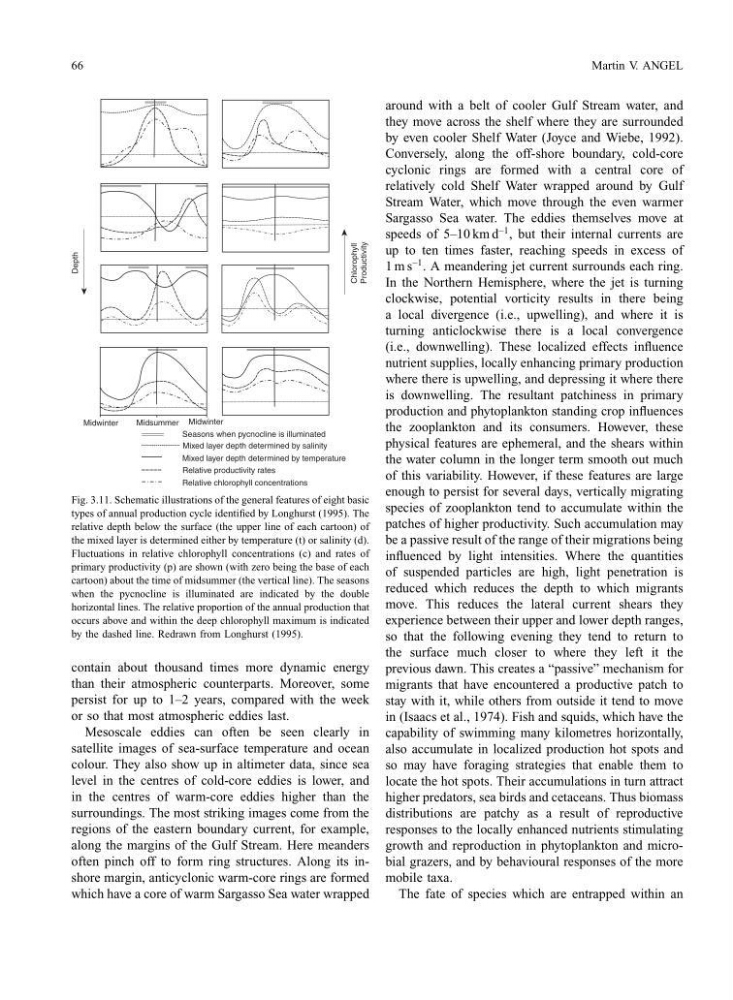
Fig. 3.11. Schematic illustrations of the general features of eight basic
types of annual production cycle identified by Longhurst (1995). The
relative depth below the surface (the upper line of each cartoon) of
the mixed layer is determined either by temperature (t) or salinity (d).
Fluctuations in relative chlorophyll concentrations (c) and rates of
primary productivity (p) are shown (with zero being the base of each
cartoon) about the time of midsummer (the vertical line). The seasons
when the pycnocline is illuminated are indicated by the double
horizontal lines. The relative proportion of the annual production that
occurs above and within the deep chlorophyll maximum is indicated
by the dashed line. Redrawn from Longhurst (1995).
contain about thousand times more dynamic energy
than their atmospheric counterparts. Moreover, some
persist for up to 1–2 years, compared with the week
or so that most atmospheric eddies last.
Mesoscale eddies can often be seen clearly in
satellite images of sea-surface temperature and ocean
colour. They also show up in altimeter data, since sea
level in the centres of cold-core eddies is lower, and
in the centres of warm-core eddies higher than the
surroundings. The most striking images come from the
regions of the eastern boundary current, for example,
along the margins of the Gulf Stream. Here meanders
often pinch off to form ring structures. Along its inshore margin, anticyclonic warm-core rings are formed
which have a core of warm Sargasso Sea water wrapped
around with a belt of cooler Gulf Stream water, and
they move across the shelf where they are surrounded
by even cooler Shelf Water (Joyce and Wiebe, 1992).
Conversely, along the off-shore boundary, cold-core
cyclonic rings are formed with a central core of
relatively cold Shelf Water wrapped around by Gulf
Stream Water, which move through the even warmer
Sargasso Sea water. The eddies themselves move at
speeds of 5–10 km d
−1 , but their internal currents are
up to ten times faster, reaching speeds in excess of
1 m s
−1 . A meandering jet current surrounds each ring.
In the Northern Hemisphere, where the jet is turning
clockwise, potential vorticity results in there being
a local divergence (i.e., upwelling), and where it is
turning anticlockwise there is a local convergence
(i.e., downwelling). These localized effects influence
nutrient supplies, locally enhancing primary production
where there is upwelling, and depressing it where there
is downwelling. The resultant patchiness in primary
production and phytoplankton standing crop influences
the zooplankton and its consumers. However, these
physical features are ephemeral, and the shears within
the water column in the longer term smooth out much
of this variability. However, if these features are large
enough to persist for several days, vertically migrating
species of zooplankton tend to accumulate within the
patches of higher productivity. Such accumulation may
be a passive result of the range of their migrations being
influenced by light intensities. Where the quantities
of suspended particles are high, light penetration is
reduced which reduces the depth to which migrants
move. This reduces the lateral current shears they
experience between their upper and lower depth ranges,
so that the following evening they tend to return to
the surface much closer to where they left it the
previous dawn. This creates a “passive” mechanism for
migrants that have encountered a productive patch to
stay with it, while others from outside it tend to move
in (Isaacs et al., 1974). Fish and squids, which have the
capability of swimming many kilometres horizontally,
also accumulate in localized production hot spots and
so may have foraging strategies that enable them to
locate the hot spots. Their accumulations in turn attract
higher predators, sea birds and cetaceans. Thus biomass
distributions are patchy as a result of reproductive
responses to the locally enhanced nutrients stimulating
growth and reproduction in phytoplankton and microbial grazers, and by behavioural responses of the more
mobile taxa.
The fate of species which are entrapped within an
Martin V. ANGEL
Midwinter
Midsummer Midwinter
Depth
Chlorophyll Productivity
Seasons when pycnocline is illuminated
Mixed layer depth determined by salinity
Mixed layer depth determined by temperature
Relative productivity rates
Relative chlorophyll concentrations
Fig. 3.11. Schematic illustrations of the general features of eight basic
types of annual production cycle identified by Longhurst (1995). The
relative depth below the surface (the upper line of each cartoon) of
the mixed layer is determined either by temperature (t) or salinity (d).
Fluctuations in relative chlorophyll concentrations (c) and rates of
primary productivity (p) are shown (with zero being the base of each
cartoon) about the time of midsummer (the vertical line). The seasons
when the pycnocline is illuminated are indicated by the double
horizontal lines. The relative proportion of the annual production that
occurs above and within the deep chlorophyll maximum is indicated
by the dashed line. Redrawn from Longhurst (1995).
contain about thousand times more dynamic energy
than their atmospheric counterparts. Moreover, some
persist for up to 1–2 years, compared with the week
or so that most atmospheric eddies last.
Mesoscale eddies can often be seen clearly in
satellite images of sea-surface temperature and ocean
colour. They also show up in altimeter data, since sea
level in the centres of cold-core eddies is lower, and
in the centres of warm-core eddies higher than the
surroundings. The most striking images come from the
regions of the eastern boundary current, for example,
along the margins of the Gulf Stream. Here meanders
often pinch off to form ring structures. Along its inshore margin, anticyclonic warm-core rings are formed
which have a core of warm Sargasso Sea water wrapped
around with a belt of cooler Gulf Stream water, and
they move across the shelf where they are surrounded
by even cooler Shelf Water (Joyce and Wiebe, 1992).
Conversely, along the off-shore boundary, cold-core
cyclonic rings are formed with a central core of
relatively cold Shelf Water wrapped around by Gulf
Stream Water, which move through the even warmer
Sargasso Sea water. The eddies themselves move at
speeds of 5–10 km d
−1 , but their internal currents are
up to ten times faster, reaching speeds in excess of
1 m s
−1 . A meandering jet current surrounds each ring.
In the Northern Hemisphere, where the jet is turning
clockwise, potential vorticity results in there being
a local divergence (i.e., upwelling), and where it is
turning anticlockwise there is a local convergence
(i.e., downwelling). These localized effects influence
nutrient supplies, locally enhancing primary production
where there is upwelling, and depressing it where there
is downwelling. The resultant patchiness in primary
production and phytoplankton standing crop influences
the zooplankton and its consumers. However, these
physical features are ephemeral, and the shears within
the water column in the longer term smooth out much
of this variability. However, if these features are large
enough to persist for several days, vertically migrating
species of zooplankton tend to accumulate within the
patches of higher productivity. Such accumulation may
be a passive result of the range of their migrations being
influenced by light intensities. Where the quantities
of suspended particles are high, light penetration is
reduced which reduces the depth to which migrants
move. This reduces the lateral current shears they
experience between their upper and lower depth ranges,
so that the following evening they tend to return to
the surface much closer to where they left it the
previous dawn. This creates a “passive” mechanism for
migrants that have encountered a productive patch to
stay with it, while others from outside it tend to move
in (Isaacs et al., 1974). Fish and squids, which have the
capability of swimming many kilometres horizontally,
also accumulate in localized production hot spots and
so may have foraging strategies that enable them to
locate the hot spots. Their accumulations in turn attract
higher predators, sea birds and cetaceans. Thus biomass
distributions are patchy as a result of reproductive
responses to the locally enhanced nutrients stimulating
growth and reproduction in phytoplankton and microbial grazers, and by behavioural responses of the more
mobile taxa.
The fate of species which are entrapped within an