

Glacial erosion
71
.
~
,o
•i i i ! i •i i •! i •i i i i ! •i i •i •i i •i •! •i i ••i i i i i i i •i •i •i i i i i i i i ! i •••i i •i •i i i i •i i •i i i •i ••i ! i i i i ! i ! ! i i •i i •i ••i i ••i i •i i i i
(a)
t
~iii!i!ii~i;i;i!!iiiii!~ili!ii~ii!;iiii:i:ilili;ilili!;iiiiii~ii!::ii!ii!!ii~
::.:.:.:.:..:.: ::.. ========================================================================================
(b)
(c)
(e)
(d)
!
!ii !ii,,'iiiii!i,,'ii ,'iiiiilZ ! i
'
-
iiiii i! i Sii!ii iii!iiiii!ii:i :i i!ii
Rock
b
(f)
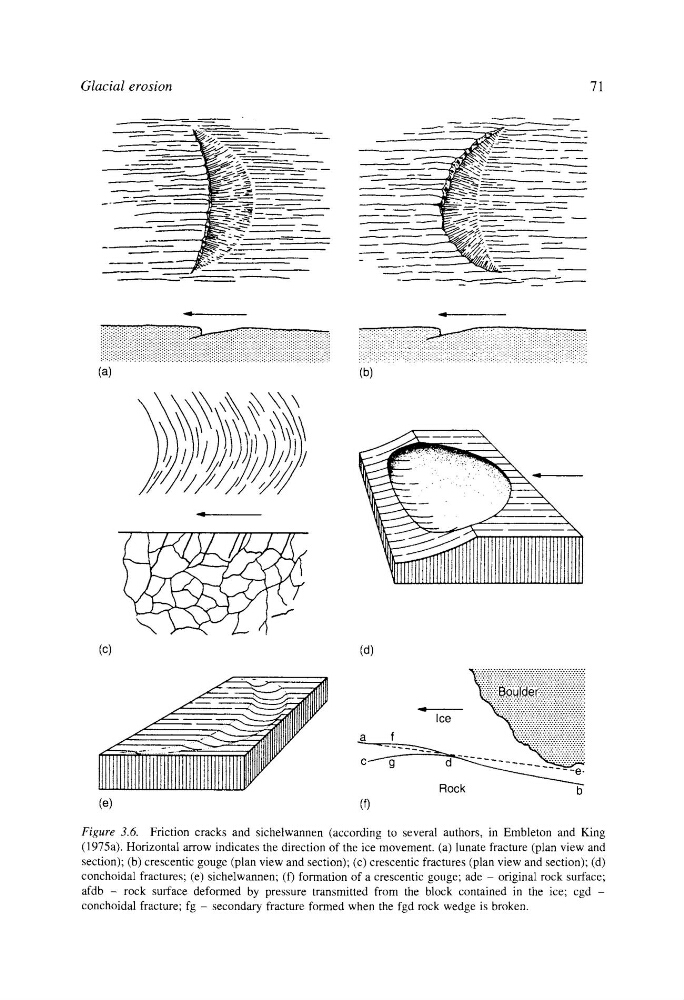
Figure 3.6. Friction cracks and sichelwannen (according to several authors, in Embleton and King
(1975a). Horizontal arrow indicates the direction of the ice movement. (a) lunate fracture (plan view and
section); (b) crescentic gouge (plan view and section); (c) crescentic fractures (plan view and section); (d)
conchoidal fractures; (e) sichelwannen; (f) formation of a crescentic gouge; ade - original rock surface;
afdb - rock surface deformed by pressure transmitted from the block contained in the ice; cgd -
conchoidal fracture; fg - secondary fracture formed when the fgd rock wedge is broken.
71
.
~
,o
•i i i ! i •i i •! i •i i i i ! •i i •i •i i •i •! •i i ••i i i i i i i •i •i •i i i i i i i i ! i •••i i •i •i i i i •i i •i i i •i ••i ! i i i i ! i ! ! i i •i i •i ••i i ••i i •i i i i
(a)
t
~iii!i!ii~i;i;i!!iiiii!~ili!ii~ii!;iiii:i:ilili;ilili!;iiiiii~ii!::ii!ii!!ii~
::.:.:.:.:..:.: ::.. ========================================================================================
(b)
(c)
(e)
(d)
!
!ii !ii,,'iiiii!i,,'ii ,'iiiiilZ ! i
'
-
iiiii i! i Sii!ii iii!iiiii!ii:i :i i!ii
Rock
b
(f)
Figure 3.6. Friction cracks and sichelwannen (according to several authors, in Embleton and King
(1975a). Horizontal arrow indicates the direction of the ice movement. (a) lunate fracture (plan view and
section); (b) crescentic gouge (plan view and section); (c) crescentic fractures (plan view and section); (d)
conchoidal fractures; (e) sichelwannen; (f) formation of a crescentic gouge; ade - original rock surface;
afdb - rock surface deformed by pressure transmitted from the block contained in the ice; cgd -
conchoidal fracture; fg - secondary fracture formed when the fgd rock wedge is broken.