

444
Climatic Geomorphology
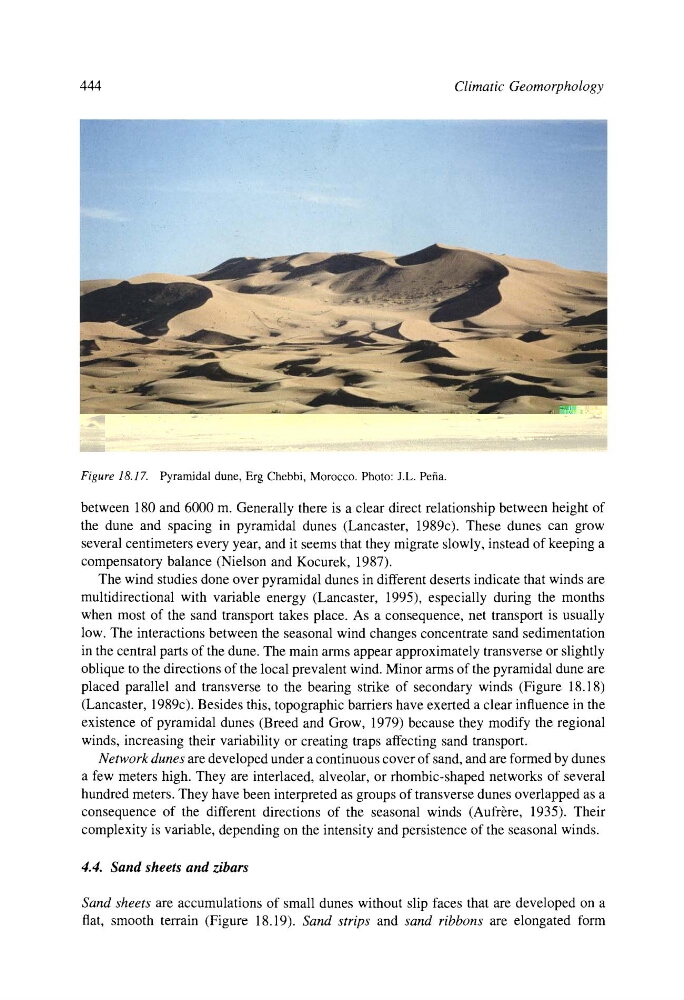
Figure 18.17. Pyramidal dune, Erg Chebbi, Morocco. Photo: J.L. Pefia.
between 180 and 6000 m. Generally there is a clear direct relationship between height of
the dune and spacing in pyramidal dunes (Lancaster, 1989c). These dunes can grow
several centimeters every year, and it seems that they migrate slowly, instead of keeping a
compensatory balance (Nielson and Kocurek, 1987).
The wind studies done over pyramidal dunes in different deserts indicate that winds are
multidirectional with variable energy (Lancaster, 1995), especially during the months
when most of the sand transport takes place. As a consequence, net transport is usually
low. The interactions between the seasonal wind changes concentrate sand sedimentation
in the central parts of the dune. The main arms appear approximately transverse or slightly
oblique to the directions of the local prevalent wind. Minor arms of the pyramidal dune are
placed parallel and transverse to the beating strike of secondary winds (Figure 18.18)
(Lancaster, 1989c). Besides this, topographic barriers have exerted a clear influence in the
existence of pyramidal dunes (Breed and Grow, 1979) because they modify the regional
winds, increasing their variability or creating traps affecting sand transport.
Network dunes are developed under a continuous cover of sand, and are formed by dunes
a few meters high. They are interlaced, alveolar, or rhombic-shaped networks of several
hundred meters. They have been interpreted as groups of transverse dunes overlapped as a
consequence of the different directions of the seasonal winds (Aufrbre, 1935). Their
complexity is variable, depending on the intensity and persistence of the seasonal winds.
4.4. Sand sheets and zibars
Sand sheets are accumulations of small dunes without slip faces that are developed on a
flat, smooth terrain (Figure 18.19). Sand strips and sand ribbons are elongated form
Climatic Geomorphology
Figure 18.17. Pyramidal dune, Erg Chebbi, Morocco. Photo: J.L. Pefia.
between 180 and 6000 m. Generally there is a clear direct relationship between height of
the dune and spacing in pyramidal dunes (Lancaster, 1989c). These dunes can grow
several centimeters every year, and it seems that they migrate slowly, instead of keeping a
compensatory balance (Nielson and Kocurek, 1987).
The wind studies done over pyramidal dunes in different deserts indicate that winds are
multidirectional with variable energy (Lancaster, 1995), especially during the months
when most of the sand transport takes place. As a consequence, net transport is usually
low. The interactions between the seasonal wind changes concentrate sand sedimentation
in the central parts of the dune. The main arms appear approximately transverse or slightly
oblique to the directions of the local prevalent wind. Minor arms of the pyramidal dune are
placed parallel and transverse to the beating strike of secondary winds (Figure 18.18)
(Lancaster, 1989c). Besides this, topographic barriers have exerted a clear influence in the
existence of pyramidal dunes (Breed and Grow, 1979) because they modify the regional
winds, increasing their variability or creating traps affecting sand transport.
Network dunes are developed under a continuous cover of sand, and are formed by dunes
a few meters high. They are interlaced, alveolar, or rhombic-shaped networks of several
hundred meters. They have been interpreted as groups of transverse dunes overlapped as a
consequence of the different directions of the seasonal winds (Aufrbre, 1935). Their
complexity is variable, depending on the intensity and persistence of the seasonal winds.
4.4. Sand sheets and zibars
Sand sheets are accumulations of small dunes without slip faces that are developed on a
flat, smooth terrain (Figure 18.19). Sand strips and sand ribbons are elongated form