

168
Climatic Geomorphology
1988). Finally, the runoff disappears from the beginning of the freezing period with the
onset of the winter.
In periglacial regions the fluvial transport of sediments is generally low and commonly
derives from deposits of glacial origin. There is generally a predominance of bedload that
may reach 90%, a negligible dissolved load (< 1%) and a suspended load ranging from 5
to 25% (Church, 1972). The transported volumes estimated with variable methods in
different catchments indicate values of surface lowering between 0.03 and 0.5 mm/yr
(Arnborg et al., 1967). In accordance with the high bedload, the fluvial channels are
dominantly of the braided-type, with unstable and highly variable bars that are covered
during high-stage periods. In general, changes in fluvial behaviour of channel form often
are associated with specific thresholds and basin characteristics (Schumm, 1979; Mol et al.,
2000). The water of the rivers exerts thermal erosion and contributes to the thawing of
frozen riverbanks and generation of collapses by undercutting. The continuous thermal
erosion leads to the progressive widening of the channel bed giving place to U-shaped
channels (French, 1996). On the other hand, large rivers may reach a talik beneath the
channel favouring its entrenchment.
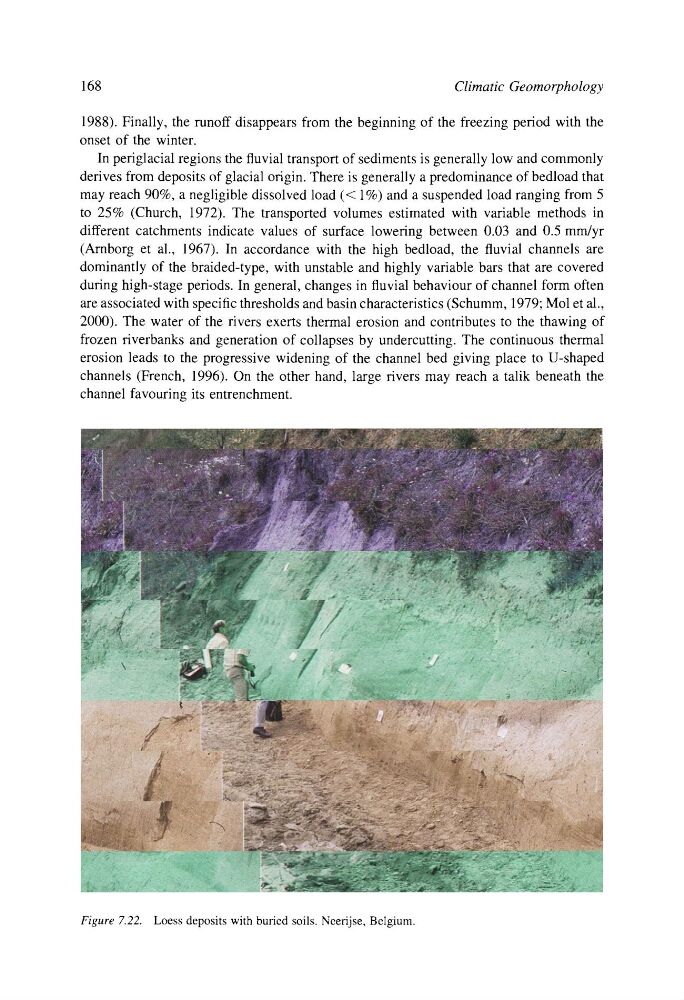
Figure 7.22. Loess deposits with buried soils. Neerijse, Belgium.
Climatic Geomorphology
1988). Finally, the runoff disappears from the beginning of the freezing period with the
onset of the winter.
In periglacial regions the fluvial transport of sediments is generally low and commonly
derives from deposits of glacial origin. There is generally a predominance of bedload that
may reach 90%, a negligible dissolved load (< 1%) and a suspended load ranging from 5
to 25% (Church, 1972). The transported volumes estimated with variable methods in
different catchments indicate values of surface lowering between 0.03 and 0.5 mm/yr
(Arnborg et al., 1967). In accordance with the high bedload, the fluvial channels are
dominantly of the braided-type, with unstable and highly variable bars that are covered
during high-stage periods. In general, changes in fluvial behaviour of channel form often
are associated with specific thresholds and basin characteristics (Schumm, 1979; Mol et al.,
2000). The water of the rivers exerts thermal erosion and contributes to the thawing of
frozen riverbanks and generation of collapses by undercutting. The continuous thermal
erosion leads to the progressive widening of the channel bed giving place to U-shaped
channels (French, 1996). On the other hand, large rivers may reach a talik beneath the
channel favouring its entrenchment.
Figure 7.22. Loess deposits with buried soils. Neerijse, Belgium.