

76
K. E. Havens
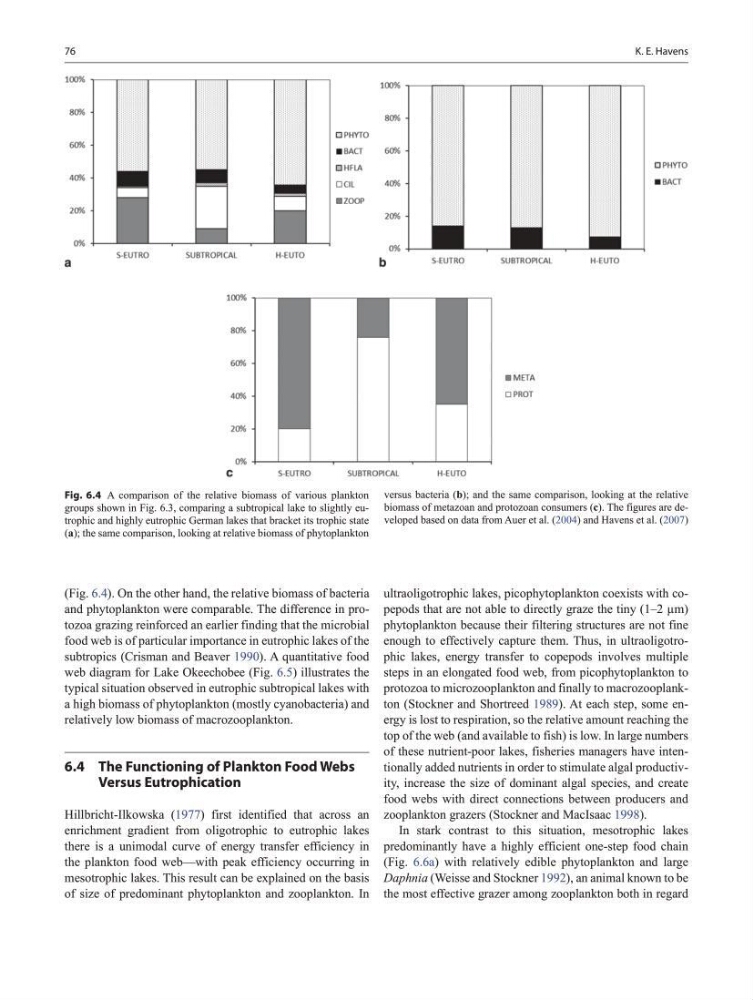
(Fig. 6.4). On the other hand, the relative biomass of bacteria
and phytoplankton were comparable. The difference in protozoa grazing reinforced an earlier finding that the microbial
food web is of particular importance in eutrophic lakes of the
subtropics (Crisman and Beaver 1990). A quantitative food
web diagram for Lake Okeechobee (Fig. 6.5) illustrates the
typical situation observed in eutrophic subtropical lakes with
a high biomass of phytoplankton (mostly cyanobacteria) and
relatively low biomass of macrozooplankton.
6.4 The Functioning of Plankton Food Webs
Versus Eutrophication
Hillbricht-Ilkowska (1977) first identified that across an
enrichment gradient from oligotrophic to eutrophic lakes
there is a unimodal curve of energy transfer efficiency in
the plankton food web—with peak efficiency occurring in
mesotrophic lakes. This result can be explained on the basis
of size of predominant phytoplankton and zooplankton. In
ultraoligotrophic lakes, picophytoplankton coexists with copepods that are not able to directly graze the tiny (1–2 µm)
phytoplankton because their filtering structures are not fine
enough to effectively capture them. Thus, in ultraoligotrophic lakes, energy transfer to copepods involves multiple
steps in an elongated food web, from picophytoplankton to
protozoa to microzooplankton and finally to macrozooplankton (Stockner and Shortreed 1989). At each step, some energy is lost to respiration, so the relative amount reaching the
top of the web (and available to fish) is low. In large numbers
of these nutrient-poor lakes, fisheries managers have intentionally added nutrients in order to stimulate algal productivity, increase the size of dominant algal species, and create
food webs with direct connections between producers and
zooplankton grazers (Stockner and MacIsaac 1998).
In stark contrast to this situation, mesotrophic lakes
predominantly have a highly efficient one-step food chain
(Fig. 6.6a) with relatively edible phytoplankton and large
Daphnia (Weisse and Stockner 1992), an animal known to be
the most effective grazer among zooplankton both in regard
Fig. 6.4 A comparison of the relative biomass of various plankton
groups shown in Fig. 6.3, comparing a subtropical lake to slightly eutrophic and highly eutrophic German lakes that bracket its trophic state
(a); the same comparison, looking at relative biomass of phytoplankton
versus bacteria (b); and the same comparison, looking at the relative
biomass of metazoan and protozoan consumers (c). The figures are developed based on data from Auer et al. (2004) and Havens et al. (2007)
K. E. Havens
(Fig. 6.4). On the other hand, the relative biomass of bacteria
and phytoplankton were comparable. The difference in protozoa grazing reinforced an earlier finding that the microbial
food web is of particular importance in eutrophic lakes of the
subtropics (Crisman and Beaver 1990). A quantitative food
web diagram for Lake Okeechobee (Fig. 6.5) illustrates the
typical situation observed in eutrophic subtropical lakes with
a high biomass of phytoplankton (mostly cyanobacteria) and
relatively low biomass of macrozooplankton.
6.4 The Functioning of Plankton Food Webs
Versus Eutrophication
Hillbricht-Ilkowska (1977) first identified that across an
enrichment gradient from oligotrophic to eutrophic lakes
there is a unimodal curve of energy transfer efficiency in
the plankton food web—with peak efficiency occurring in
mesotrophic lakes. This result can be explained on the basis
of size of predominant phytoplankton and zooplankton. In
ultraoligotrophic lakes, picophytoplankton coexists with copepods that are not able to directly graze the tiny (1–2 µm)
phytoplankton because their filtering structures are not fine
enough to effectively capture them. Thus, in ultraoligotrophic lakes, energy transfer to copepods involves multiple
steps in an elongated food web, from picophytoplankton to
protozoa to microzooplankton and finally to macrozooplankton (Stockner and Shortreed 1989). At each step, some energy is lost to respiration, so the relative amount reaching the
top of the web (and available to fish) is low. In large numbers
of these nutrient-poor lakes, fisheries managers have intentionally added nutrients in order to stimulate algal productivity, increase the size of dominant algal species, and create
food webs with direct connections between producers and
zooplankton grazers (Stockner and MacIsaac 1998).
In stark contrast to this situation, mesotrophic lakes
predominantly have a highly efficient one-step food chain
(Fig. 6.6a) with relatively edible phytoplankton and large
Daphnia (Weisse and Stockner 1992), an animal known to be
the most effective grazer among zooplankton both in regard
Fig. 6.4 A comparison of the relative biomass of various plankton
groups shown in Fig. 6.3, comparing a subtropical lake to slightly eutrophic and highly eutrophic German lakes that bracket its trophic state
(a); the same comparison, looking at relative biomass of phytoplankton
versus bacteria (b); and the same comparison, looking at the relative
biomass of metazoan and protozoan consumers (c). The figures are developed based on data from Auer et al. (2004) and Havens et al. (2007)