

219
15 Biogeochemical Indicators of Nutrient Enrichments in Wetlands …
biomass ratio decreases. This metabolic effect can be easily measured by the proportion of aerobic basal respiration
(CO 2 production) to MBC ( qCO 2 coefficient) and the MBC
to total C ratio.
Although phosphatase activity is usually repressed in
response to P enrichment, contrary effects have also been
reported because extracellular enzyme activities did not depend on a single environmental variable. Extracellular enzyme activity is regulated by a suite of environmental variables that interact over a wide range of scales (at ecosystem and microenvironmental levels). Owing to the complex
nature of organic matter, degradation requires the concerted
activity of multiple classes of enzymes. The combined relative activity of the enzymes reflects more clearly the microbial response to environmental conditions. Extracellular
enzymatic ratios, resource allocation models and ecological
stoichiometry have properly assessed the energy and nutrient dynamics in wetlands and proved to be the best available
tools for use as sensitive indicators of eutrophication. However, further studies are needed refining this approach to get
the complex biogeochemical variability of the different wetland types, and to move from a site-based heuristic model
to a holistic approach, describing eutrophication patterns in
wetlands. A composite analysis in which biotic and abiotic
measurements are analyzed collectively and a more quantitative direct comparison of the microbial ability of individual
measures to distinguish impacted and reference sites, might
strengthen the microbial ecophysiological measurements as
key indicators of wetland ecosystem perturbation.
References
Aerts R, Toet S (1997) Nutritional controls on carbon dioxide and
methane emission from Carex-dominated peat soils. Soil Biol Biochem 29:1683–1690
Ainsworth AM, Goulder R (2000) Downstream change in leucine
aminopeptidase activity and leucine assimilation by epilithic microbiota along the River Swale, northern England. Sci Total Environ
251:191–204
Álvarez-Cobelas M, Cirujano S, Sanchez-Carrillo S et al (2001)
Hydrological and botanical man-made changes in the Spanish wetland of Las Tablas de Daimiel. Biol Conserv 97:89–98
Álvarez-Cobelas M, Sánchez-Carrillo S, Cirujano S, Angeler DG et al
(2008) Long-term changes in spatial patterns of emergent vegetation in a Mediterranean floodplain: natural versus anthropogenic
constraints. Plant Ecol 194:257–271
Álvarez-Cobelas M, Sánchez-Carrillo S, Cirujano S, Angeler DG et al
(2010) A story of the wetland water quality deterioration: salinization, pollution, eutrophication and siltation. In: Sanchez-Carrillo
S, Angeler DG (eds) Ecology of threatened semi-arid wetlands:
long-term research in Las Tablas de Daimiel. Springer, Dordrecht,
pp 109–133
Amador JA, Jones RD (1993) Nutrient limitations on microbial respiration in peat soils with different total phosphorus content. Soil Biol
Biochem 25:793–801
Amador JA, Jones RD (1997) Response of carbon mineralization to
combined changes in soil moisture and carbon–phosphorus ratio in
a low phosphorus histosol. Soil Sci 162:275–282
Anderson TH, Domsch KH (1990) Ratios of MBCarbon to total carbon in arable soils. Soil Biol Biochem 21:471–479
Barnard R, Leadley PW, Hungate BA et al (2005) Global change, nitrification, and denitrification: a review. Global Biogeochem Cycles
19:GB1007 (doi:10.1029/2004GB002282)
Billen G (1991) Protein degradation in aquatic environments. In:
Chróst RJ (ed) Microbial enzymes in aquatic environments.
Springer, New York, pp 123–143
Boschker HTS, Cappenberg TE (1998) Patterns of extracellular
enzyme activities in littoral sediments of Lake Gooimeer, The Netherlands. FEMS Microbiol Lett 25:79–86
Bossio DA, Scow KM (1997) Impacts of carbon and flooding on soil
microbial communities: phospholipid fatty acid profiles and substrate utilization. Micro Ecol 35:265–278
Bowen, Jennifer L, Crump, BC, Deegan, LA, Hobbie JE et al (2009)
Salt marsh sediment bacteria: their distribution and response to
external nutrient inputs. ISME J 3:924–934
Bridgham SD, Richardson CJ (1992) Mechanism controlling soil respiration (CO 2 and CH 4 ) in southern peatlands. Soil Biol Biochem
24:1089–1099
Bridgham SD, Updegraff K, Pastor J et al (1998) Carbon, nitrogen
and phosphorus mineralization in northern wetlands. Ecology
79:1545–1562
Brinson MM (1993) A hydrogeomorphic classification for wetlands.
Wetlands Research Program Technical Report WRP-DE-4. US
Army Corps of Engineers, Waterway Experiment Station, Vicksburg
Brookes PC, Landman A, Pruden G, Jenkinson DS et al (1985) Chloroform fumigation and the release of soil nitrogen: a rapid direct
extraction method to measure MBNitrogen in soil. Soil Biol Biochem 17:837–842
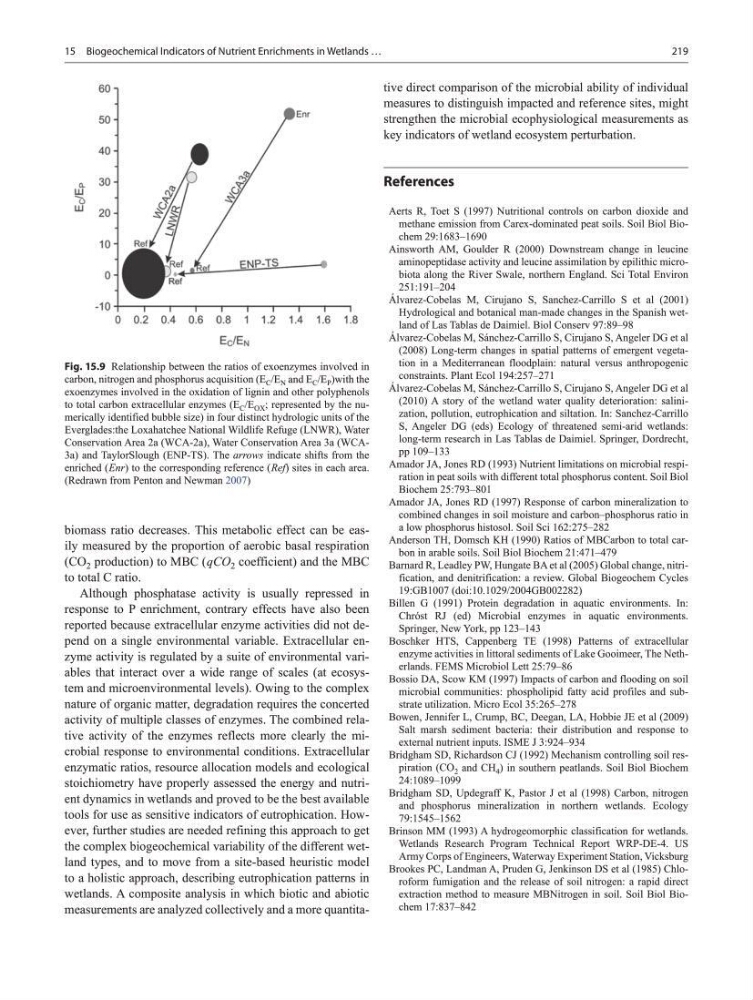
Fig. 15.9 Relationship between the ratios of exoenzymes involved in
carbon, nitrogen and phosphorus acquisition (E C /E N and E C /E P )with the
exoenzymes involved in the oxidation of lignin and other polyphenols
to total carbon extracellular enzymes (E C /E OX ; represented by the numerically identified bubble size) in four distinct hydrologic units of the
Everglades:the Loxahatchee National Wildlife Refuge (LNWR), Water
Conservation Area 2a (WCA-2a), Water Conservation Area 3a (WCA3a) and TaylorSlough (ENP-TS). The arrows indicate shifts from the
enriched ( Enr) to the corresponding reference ( Ref) sites in each area.
(Redrawn from Penton and Newman 2007)
15 Biogeochemical Indicators of Nutrient Enrichments in Wetlands …
biomass ratio decreases. This metabolic effect can be easily measured by the proportion of aerobic basal respiration
(CO 2 production) to MBC ( qCO 2 coefficient) and the MBC
to total C ratio.
Although phosphatase activity is usually repressed in
response to P enrichment, contrary effects have also been
reported because extracellular enzyme activities did not depend on a single environmental variable. Extracellular enzyme activity is regulated by a suite of environmental variables that interact over a wide range of scales (at ecosystem and microenvironmental levels). Owing to the complex
nature of organic matter, degradation requires the concerted
activity of multiple classes of enzymes. The combined relative activity of the enzymes reflects more clearly the microbial response to environmental conditions. Extracellular
enzymatic ratios, resource allocation models and ecological
stoichiometry have properly assessed the energy and nutrient dynamics in wetlands and proved to be the best available
tools for use as sensitive indicators of eutrophication. However, further studies are needed refining this approach to get
the complex biogeochemical variability of the different wetland types, and to move from a site-based heuristic model
to a holistic approach, describing eutrophication patterns in
wetlands. A composite analysis in which biotic and abiotic
measurements are analyzed collectively and a more quantitative direct comparison of the microbial ability of individual
measures to distinguish impacted and reference sites, might
strengthen the microbial ecophysiological measurements as
key indicators of wetland ecosystem perturbation.
References
Aerts R, Toet S (1997) Nutritional controls on carbon dioxide and
methane emission from Carex-dominated peat soils. Soil Biol Biochem 29:1683–1690
Ainsworth AM, Goulder R (2000) Downstream change in leucine
aminopeptidase activity and leucine assimilation by epilithic microbiota along the River Swale, northern England. Sci Total Environ
251:191–204
Álvarez-Cobelas M, Cirujano S, Sanchez-Carrillo S et al (2001)
Hydrological and botanical man-made changes in the Spanish wetland of Las Tablas de Daimiel. Biol Conserv 97:89–98
Álvarez-Cobelas M, Sánchez-Carrillo S, Cirujano S, Angeler DG et al
(2008) Long-term changes in spatial patterns of emergent vegetation in a Mediterranean floodplain: natural versus anthropogenic
constraints. Plant Ecol 194:257–271
Álvarez-Cobelas M, Sánchez-Carrillo S, Cirujano S, Angeler DG et al
(2010) A story of the wetland water quality deterioration: salinization, pollution, eutrophication and siltation. In: Sanchez-Carrillo
S, Angeler DG (eds) Ecology of threatened semi-arid wetlands:
long-term research in Las Tablas de Daimiel. Springer, Dordrecht,
pp 109–133
Amador JA, Jones RD (1993) Nutrient limitations on microbial respiration in peat soils with different total phosphorus content. Soil Biol
Biochem 25:793–801
Amador JA, Jones RD (1997) Response of carbon mineralization to
combined changes in soil moisture and carbon–phosphorus ratio in
a low phosphorus histosol. Soil Sci 162:275–282
Anderson TH, Domsch KH (1990) Ratios of MBCarbon to total carbon in arable soils. Soil Biol Biochem 21:471–479
Barnard R, Leadley PW, Hungate BA et al (2005) Global change, nitrification, and denitrification: a review. Global Biogeochem Cycles
19:GB1007 (doi:10.1029/2004GB002282)
Billen G (1991) Protein degradation in aquatic environments. In:
Chróst RJ (ed) Microbial enzymes in aquatic environments.
Springer, New York, pp 123–143
Boschker HTS, Cappenberg TE (1998) Patterns of extracellular
enzyme activities in littoral sediments of Lake Gooimeer, The Netherlands. FEMS Microbiol Lett 25:79–86
Bossio DA, Scow KM (1997) Impacts of carbon and flooding on soil
microbial communities: phospholipid fatty acid profiles and substrate utilization. Micro Ecol 35:265–278
Bowen, Jennifer L, Crump, BC, Deegan, LA, Hobbie JE et al (2009)
Salt marsh sediment bacteria: their distribution and response to
external nutrient inputs. ISME J 3:924–934
Bridgham SD, Richardson CJ (1992) Mechanism controlling soil respiration (CO 2 and CH 4 ) in southern peatlands. Soil Biol Biochem
24:1089–1099
Bridgham SD, Updegraff K, Pastor J et al (1998) Carbon, nitrogen
and phosphorus mineralization in northern wetlands. Ecology
79:1545–1562
Brinson MM (1993) A hydrogeomorphic classification for wetlands.
Wetlands Research Program Technical Report WRP-DE-4. US
Army Corps of Engineers, Waterway Experiment Station, Vicksburg
Brookes PC, Landman A, Pruden G, Jenkinson DS et al (1985) Chloroform fumigation and the release of soil nitrogen: a rapid direct
extraction method to measure MBNitrogen in soil. Soil Biol Biochem 17:837–842
Fig. 15.9 Relationship between the ratios of exoenzymes involved in
carbon, nitrogen and phosphorus acquisition (E C /E N and E C /E P )with the
exoenzymes involved in the oxidation of lignin and other polyphenols
to total carbon extracellular enzymes (E C /E OX ; represented by the numerically identified bubble size) in four distinct hydrologic units of the
Everglades:the Loxahatchee National Wildlife Refuge (LNWR), Water
Conservation Area 2a (WCA-2a), Water Conservation Area 3a (WCA3a) and TaylorSlough (ENP-TS). The arrows indicate shifts from the
enriched ( Enr) to the corresponding reference ( Ref) sites in each area.
(Redrawn from Penton and Newman 2007)