

model, variables such us absolute humidity, short-wave solar radiation, leaf area
index, ventilation rate, and interaction rates between the main greenhouse components (crop, soil, internal atmosphere) were addressed in the greenhouse climate
model by Castaneda-Miranda et al. (2006). Nevertheless, the performance of
developed models is limited by the lack of crop response within the equation,
because crops strongly influence the surrounding environment a in a dynamic way,
according to their phonological development. This problematic have not been
completely solved, but promising approaches that include greenhouse-crop interaction and complex processes such us photosynthesis or transpiration have been
developed (Van Straten et al. 2000).
Is easy to notice how has evolved the way to addressed the problem, going from
models which just describe the thermal behavior of the greenhouse by using
energy and mass balance. To unconventional descriptions that consider the crop
influence and also take account how this influence change over time. New tendencies move on this direction, giving the deserved importance on models and
control theories to the main factor in the greenhouse, ‘‘the plat’’.
In order to understand how control theories for protected agriculture have
involved addressing the requirements of modern society, a classification that helps
to understand the global panorama is required. However, establishing a division
between controllers presented in the current literature is complicated, due to the
variety and integration of diverse techniques used to solve the same problem.
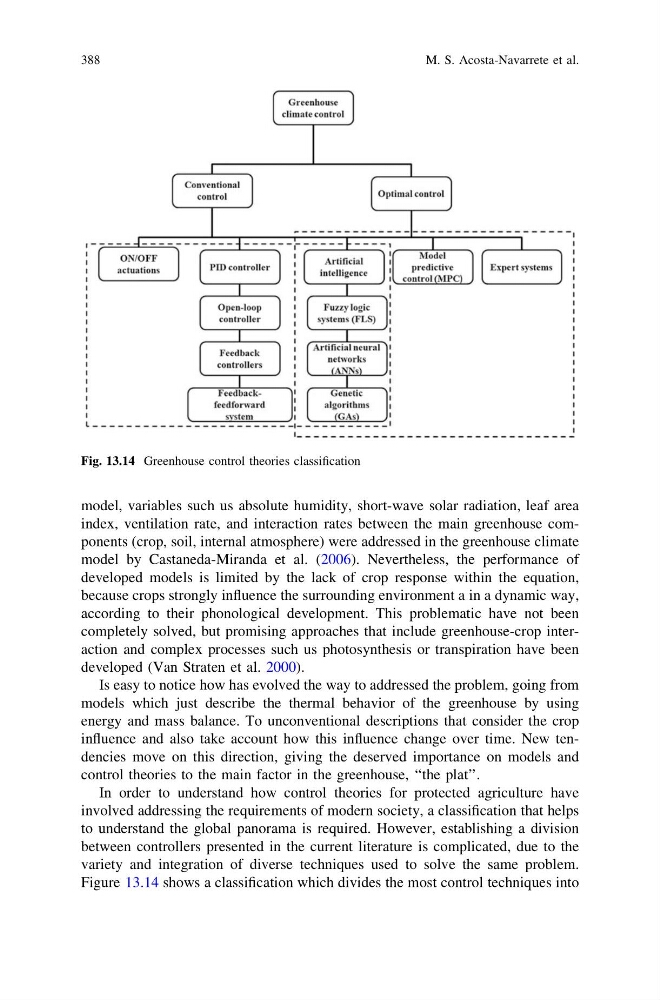
Figure 13.14 shows a classification which divides the most control techniques into
Fig. 13.14 Greenhouse control theories classification
388
M. S. Acosta-Navarrete et al.
index, ventilation rate, and interaction rates between the main greenhouse components (crop, soil, internal atmosphere) were addressed in the greenhouse climate
model by Castaneda-Miranda et al. (2006). Nevertheless, the performance of
developed models is limited by the lack of crop response within the equation,
because crops strongly influence the surrounding environment a in a dynamic way,
according to their phonological development. This problematic have not been
completely solved, but promising approaches that include greenhouse-crop interaction and complex processes such us photosynthesis or transpiration have been
developed (Van Straten et al. 2000).
Is easy to notice how has evolved the way to addressed the problem, going from
models which just describe the thermal behavior of the greenhouse by using
energy and mass balance. To unconventional descriptions that consider the crop
influence and also take account how this influence change over time. New tendencies move on this direction, giving the deserved importance on models and
control theories to the main factor in the greenhouse, ‘‘the plat’’.
In order to understand how control theories for protected agriculture have
involved addressing the requirements of modern society, a classification that helps
to understand the global panorama is required. However, establishing a division
between controllers presented in the current literature is complicated, due to the
variety and integration of diverse techniques used to solve the same problem.
Figure 13.14 shows a classification which divides the most control techniques into
Fig. 13.14 Greenhouse control theories classification
388
M. S. Acosta-Navarrete et al.