

Some examples of diet-regulated obesity-related genes have also been reported.
For instance, W. japonica Matsum, leaves (WLE), a native Japanese plant, suppressed the differentiation of 3T3-L1 preadipocytes, mediated, partly through
modulation of PPARc, C/EBPa, and other specific genes, such as aP2. These
results suggest that WLE may prevent obesity and insulin resistance by inhibiting
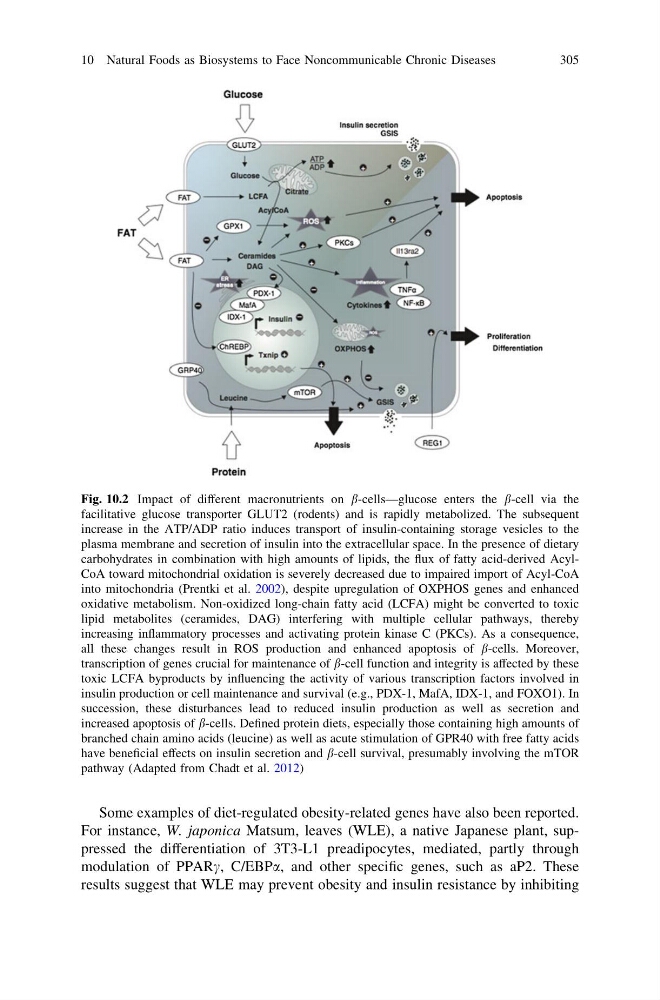
Fig. 10.2 Impact of different macronutrients on b-cells—glucose enters the b-cell via the
facilitative glucose transporter GLUT2 (rodents) and is rapidly metabolized. The subsequent
increase in the ATP/ADP ratio induces transport of insulin-containing storage vesicles to the
plasma membrane and secretion of insulin into the extracellular space. In the presence of dietary
carbohydrates in combination with high amounts of lipids, the flux of fatty acid-derived AcylCoA toward mitochondrial oxidation is severely decreased due to impaired import of Acyl-CoA
into mitochondria (Prentki et al. 2002), despite upregulation of OXPHOS genes and enhanced
oxidative metabolism. Non-oxidized long-chain fatty acid (LCFA) might be converted to toxic
lipid metabolites (ceramides, DAG) interfering with multiple cellular pathways, thereby
increasing inflammatory processes and activating protein kinase C (PKCs). As a consequence,
all these changes result in ROS production and enhanced apoptosis of b-cells. Moreover,
transcription of genes crucial for maintenance of b-cell function and integrity is affected by these
toxic LCFA byproducts by influencing the activity of various transcription factors involved in
insulin production or cell maintenance and survival (e.g., PDX-1, MafA, IDX-1, and FOXO1). In
succession, these disturbances lead to reduced insulin production as well as secretion and
increased apoptosis of b-cells. Defined protein diets, especially those containing high amounts of
branched chain amino acids (leucine) as well as acute stimulation of GPR40 with free fatty acids
have beneficial effects on insulin secretion and b-cell survival, presumably involving the mTOR
pathway (Adapted from Chadt et al. 2012)
10 Natural Foods as Biosystems to Face Noncommunicable Chronic Diseases
305
For instance, W. japonica Matsum, leaves (WLE), a native Japanese plant, suppressed the differentiation of 3T3-L1 preadipocytes, mediated, partly through
modulation of PPARc, C/EBPa, and other specific genes, such as aP2. These
results suggest that WLE may prevent obesity and insulin resistance by inhibiting
Fig. 10.2 Impact of different macronutrients on b-cells—glucose enters the b-cell via the
facilitative glucose transporter GLUT2 (rodents) and is rapidly metabolized. The subsequent
increase in the ATP/ADP ratio induces transport of insulin-containing storage vesicles to the
plasma membrane and secretion of insulin into the extracellular space. In the presence of dietary
carbohydrates in combination with high amounts of lipids, the flux of fatty acid-derived AcylCoA toward mitochondrial oxidation is severely decreased due to impaired import of Acyl-CoA
into mitochondria (Prentki et al. 2002), despite upregulation of OXPHOS genes and enhanced
oxidative metabolism. Non-oxidized long-chain fatty acid (LCFA) might be converted to toxic
lipid metabolites (ceramides, DAG) interfering with multiple cellular pathways, thereby
increasing inflammatory processes and activating protein kinase C (PKCs). As a consequence,
all these changes result in ROS production and enhanced apoptosis of b-cells. Moreover,
transcription of genes crucial for maintenance of b-cell function and integrity is affected by these
toxic LCFA byproducts by influencing the activity of various transcription factors involved in
insulin production or cell maintenance and survival (e.g., PDX-1, MafA, IDX-1, and FOXO1). In
succession, these disturbances lead to reduced insulin production as well as secretion and
increased apoptosis of b-cells. Defined protein diets, especially those containing high amounts of
branched chain amino acids (leucine) as well as acute stimulation of GPR40 with free fatty acids
have beneficial effects on insulin secretion and b-cell survival, presumably involving the mTOR
pathway (Adapted from Chadt et al. 2012)
10 Natural Foods as Biosystems to Face Noncommunicable Chronic Diseases
305