

such market value to be ignored. This is the case of several freshwater native
species, which can be founded in central and South America. Some attempts to
cultivate native species have occurred mainly in areas or rural communities, where
in addition to enhance the conservation of species protein contributes to the diet of
the community (Ross and Beveridge 1995). One of the most interesting case
studies in Mexico is growing ‘‘white fish’’ (Chirostoma estor) with the aim of
repopulating some areas where the introduction of their populations has been
declined (Martínez-Palacios et al. 2001). Most documented is that of the native
Central American cichlid (Cichlasoma urophthalmus), of which there have been
many studies to support its culture (Ross et al. 2008). In southern region some
attempts to grow some silversides in Argentina (Odontestes Basilichthys), some
Characidae family members have been grown in Brazil and more recently three
species of carnivorous cichlids aquarium purposes. In Peru it has favored the
cultivation of called pirarucu (Arapaima gigas), one of the largest fish of fresh
water. Possibly the Cichlidae family members are those that show the greatest
potential for cultivation (Bardach et al. 1986).
To successfully achieve the cultivation of a native species, compared to the
technological advantages offered by more exotic trading requires knowledge of the
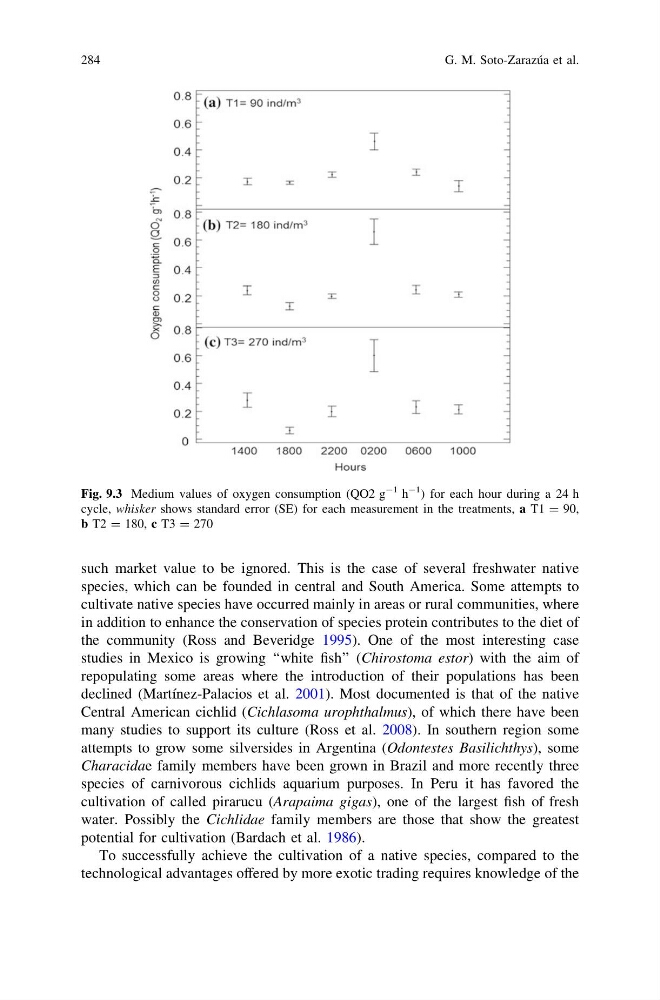
Fig. 9.3 Medium values of oxygen consumption (QO2 g
-1 h
-1
) for each hour during a 24 h
cycle, whisker shows standard error (SE) for each measurement in the treatments, a T1 = 90,
b T2 = 180, c T3 = 270
284
G. M. Soto-Zarazúa et al.
species, which can be founded in central and South America. Some attempts to
cultivate native species have occurred mainly in areas or rural communities, where
in addition to enhance the conservation of species protein contributes to the diet of
the community (Ross and Beveridge 1995). One of the most interesting case
studies in Mexico is growing ‘‘white fish’’ (Chirostoma estor) with the aim of
repopulating some areas where the introduction of their populations has been
declined (Martínez-Palacios et al. 2001). Most documented is that of the native
Central American cichlid (Cichlasoma urophthalmus), of which there have been
many studies to support its culture (Ross et al. 2008). In southern region some
attempts to grow some silversides in Argentina (Odontestes Basilichthys), some
Characidae family members have been grown in Brazil and more recently three
species of carnivorous cichlids aquarium purposes. In Peru it has favored the
cultivation of called pirarucu (Arapaima gigas), one of the largest fish of fresh
water. Possibly the Cichlidae family members are those that show the greatest
potential for cultivation (Bardach et al. 1986).
To successfully achieve the cultivation of a native species, compared to the
technological advantages offered by more exotic trading requires knowledge of the
Fig. 9.3 Medium values of oxygen consumption (QO2 g
-1 h
-1
) for each hour during a 24 h
cycle, whisker shows standard error (SE) for each measurement in the treatments, a T1 = 90,
b T2 = 180, c T3 = 270
284
G. M. Soto-Zarazúa et al.