

156
A. G. Kostianoy et al.
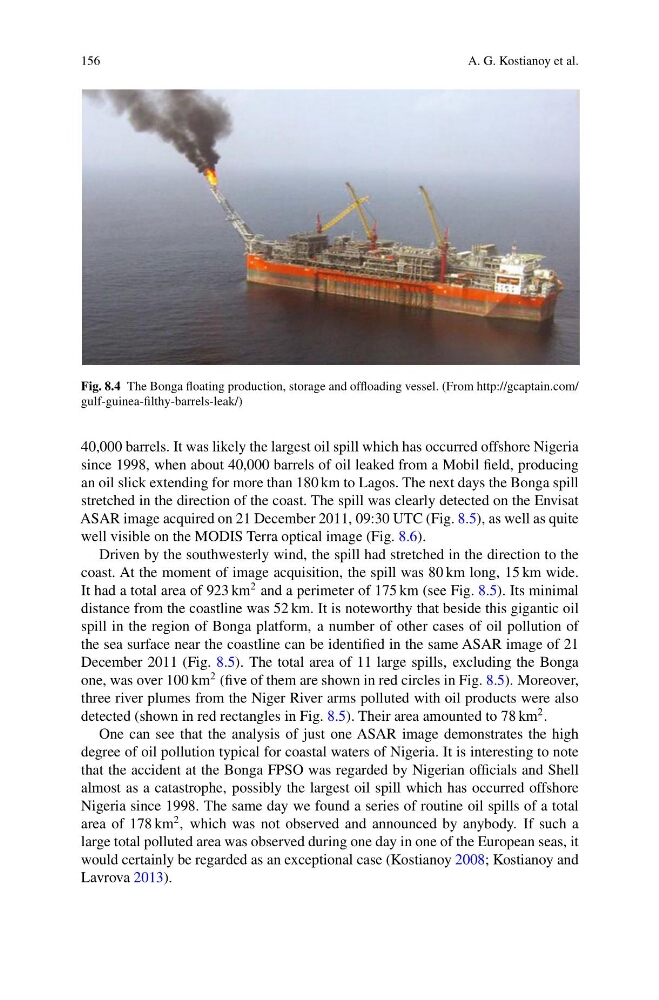
Fig. 8.4 The Bonga floating production, storage and offloading vessel. (From http://gcaptain.com/
gulf-guinea-filthy-barrels-leak/)
40,000 barrels. It was likely the largest oil spill which has occurred offshore Nigeria
since 1998, when about 40,000 barrels of oil leaked from a Mobil field, producing
an oil slick extending for more than 180 km to Lagos. The next days the Bonga spill
stretched in the direction of the coast. The spill was clearly detected on the Envisat
ASAR image acquired on 21 December 2011, 09:30 UTC (Fig. 8.5), as well as quite
well visible on the MODIS Terra optical image (Fig. 8.6).
Driven by the southwesterly wind, the spill had stretched in the direction to the
coast. At the moment of image acquisition, the spill was 80 km long, 15 km wide.
It had a total area of 923 km
2 and a perimeter of 175 km (see Fig. 8.5). Its minimal
distance from the coastline was 52 km. It is noteworthy that beside this gigantic oil
spill in the region of Bonga platform, a number of other cases of oil pollution of
the sea surface near the coastline can be identified in the same ASAR image of 21
December 2011 (Fig. 8.5). The total area of 11 large spills, excluding the Bonga
one, was over 100 km
2 (five of them are shown in red circles in Fig. 8.5). Moreover,
three river plumes from the Niger River arms polluted with oil products were also
detected (shown in red rectangles in Fig. 8.5). Their area amounted to 78 km
2 .
One can see that the analysis of just one ASAR image demonstrates the high
degree of oil pollution typical for coastal waters of Nigeria. It is interesting to note
that the accident at the Bonga FPSO was regarded by Nigerian officials and Shell
almost as a catastrophe, possibly the largest oil spill which has occurred offshore
Nigeria since 1998. The same day we found a series of routine oil spills of a total
area of 178 km
2 , which was not observed and announced by anybody. If such a
large total polluted area was observed during one day in one of the European seas, it
would certainly be regarded as an exceptional case (Kostianoy 2008; Kostianoy and
Lavrova 2013).
A. G. Kostianoy et al.
Fig. 8.4 The Bonga floating production, storage and offloading vessel. (From http://gcaptain.com/
gulf-guinea-filthy-barrels-leak/)
40,000 barrels. It was likely the largest oil spill which has occurred offshore Nigeria
since 1998, when about 40,000 barrels of oil leaked from a Mobil field, producing
an oil slick extending for more than 180 km to Lagos. The next days the Bonga spill
stretched in the direction of the coast. The spill was clearly detected on the Envisat
ASAR image acquired on 21 December 2011, 09:30 UTC (Fig. 8.5), as well as quite
well visible on the MODIS Terra optical image (Fig. 8.6).
Driven by the southwesterly wind, the spill had stretched in the direction to the
coast. At the moment of image acquisition, the spill was 80 km long, 15 km wide.
It had a total area of 923 km
2 and a perimeter of 175 km (see Fig. 8.5). Its minimal
distance from the coastline was 52 km. It is noteworthy that beside this gigantic oil
spill in the region of Bonga platform, a number of other cases of oil pollution of
the sea surface near the coastline can be identified in the same ASAR image of 21
December 2011 (Fig. 8.5). The total area of 11 large spills, excluding the Bonga
one, was over 100 km
2 (five of them are shown in red circles in Fig. 8.5). Moreover,
three river plumes from the Niger River arms polluted with oil products were also
detected (shown in red rectangles in Fig. 8.5). Their area amounted to 78 km
2 .
One can see that the analysis of just one ASAR image demonstrates the high
degree of oil pollution typical for coastal waters of Nigeria. It is interesting to note
that the accident at the Bonga FPSO was regarded by Nigerian officials and Shell
almost as a catastrophe, possibly the largest oil spill which has occurred offshore
Nigeria since 1998. The same day we found a series of routine oil spills of a total
area of 178 km
2 , which was not observed and announced by anybody. If such a
large total polluted area was observed during one day in one of the European seas, it
would certainly be regarded as an exceptional case (Kostianoy 2008; Kostianoy and
Lavrova 2013).