

2 Monitoring of Marine Aquaculture
73
protection agency. Since its establishment in 1992, MEPA, as its predecessors, was
granted the overall responsibility of processing aquaculture development proposals
and to oversee any required environmental monitoring of the activity. Consequently,
in 1994, the then Planning Authority issued a set of Policy and Design Guidelines for
Fish-farming (PDGF; see Planning Authority 1994). The “monitoring” chapter of the
guidelines required an environmental monitoring programme for each fish farm to
enable assessment of the impact of the activity on the environment. According to the
PDGF, the environment monitoring programme should:
●
measure changes, if any, in specific environmental attributes such as currents,
temperature, dissolved oxygen, and levels of nutrients and bacteria;
●
monitor the state of benthic assemblages and habitats, and accumulation of
waste products in the vicinity of the farms;
●
record material introduced in the environment by the fish farms (such as chemicals and physical items forming part of the cage structures);
●
record other inputs and impacts on the environment in the general area of the fish
farms, but which are not directly related to the fish-farming activities (e.g., discharges from outfalls and other major sources of pollution, and fishing activities).
The guidelines also stated the specific physico-chemical and biological attributes to be
monitored, the frequency of data collection, and the number of sampling points, which
were to vary depending on the size and location of the respective fish farm (Table 2.6).
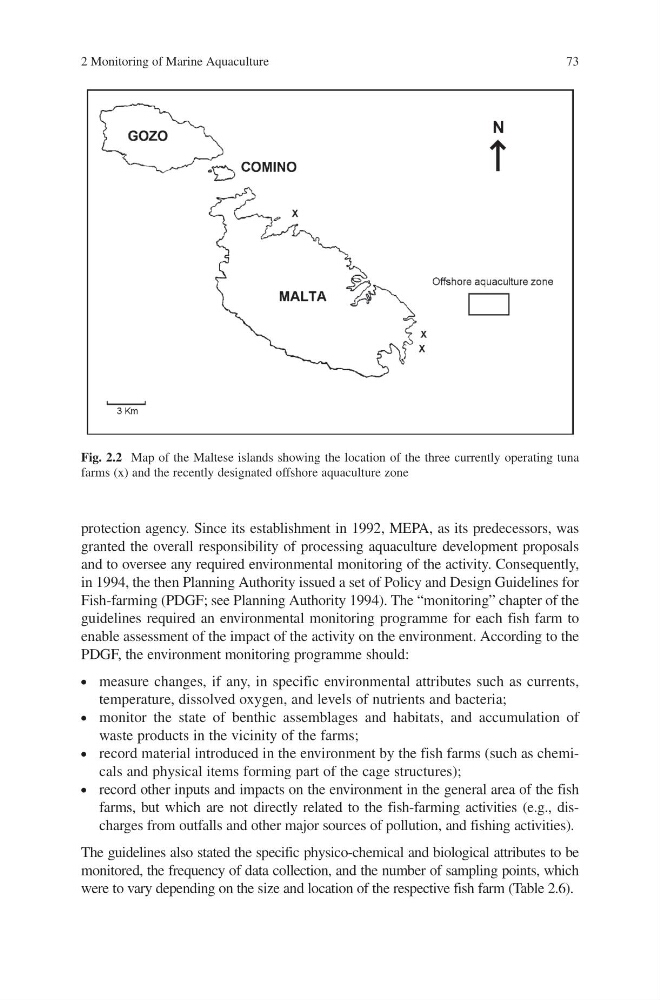
Fig. 2.2 Map of the Maltese islands showing the location of the three currently operating tuna
farms (x) and the recently designated offshore aquaculture zone
73
protection agency. Since its establishment in 1992, MEPA, as its predecessors, was
granted the overall responsibility of processing aquaculture development proposals
and to oversee any required environmental monitoring of the activity. Consequently,
in 1994, the then Planning Authority issued a set of Policy and Design Guidelines for
Fish-farming (PDGF; see Planning Authority 1994). The “monitoring” chapter of the
guidelines required an environmental monitoring programme for each fish farm to
enable assessment of the impact of the activity on the environment. According to the
PDGF, the environment monitoring programme should:
●
measure changes, if any, in specific environmental attributes such as currents,
temperature, dissolved oxygen, and levels of nutrients and bacteria;
●
monitor the state of benthic assemblages and habitats, and accumulation of
waste products in the vicinity of the farms;
●
record material introduced in the environment by the fish farms (such as chemicals and physical items forming part of the cage structures);
●
record other inputs and impacts on the environment in the general area of the fish
farms, but which are not directly related to the fish-farming activities (e.g., discharges from outfalls and other major sources of pollution, and fishing activities).
The guidelines also stated the specific physico-chemical and biological attributes to be
monitored, the frequency of data collection, and the number of sampling points, which
were to vary depending on the size and location of the respective fish farm (Table 2.6).
Fig. 2.2 Map of the Maltese islands showing the location of the three currently operating tuna
farms (x) and the recently designated offshore aquaculture zone