

8
P. Tett
micro-organisms. The key distinction is that the growth stimulated by the mineral
nutrients is accompanied by the photosynthetic release of oxygen, whereas growth on
preformed organic matter consumes oxygen. Of course, the first may lead to the
second, recycling the nutrient elements nitrogen and phosphorus back into their
mineral forms, and consuming the oxygen released during photosynthesis. The
problems associated with eutrophication typically come about when the coupling
SPRING
SUMMER
anoxic sediment
increasing organic loading
(a) the Pearson-Rosenberg paradigm for the effect of
organic input on the benthos
increasing N & P
(b) a paradigm for the effect of nutrients on phytoplankton
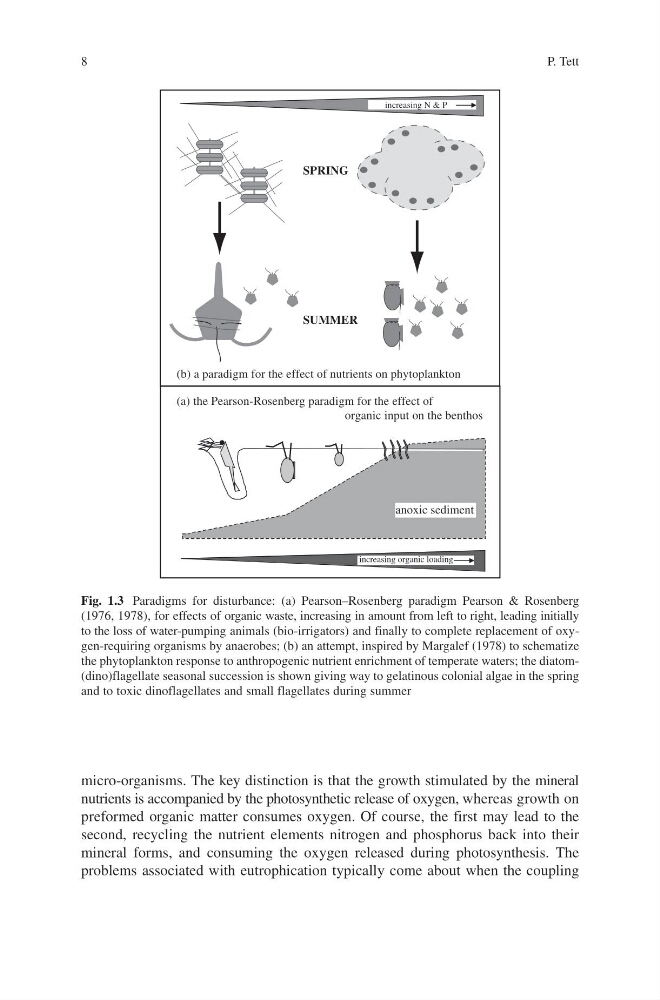
Fig. 1.3 Paradigms for disturbance: (a) Pearson–Rosenberg paradigm Pearson & Rosenberg
(1976, 1978), for effects of organic waste, increasing in amount from left to right, leading initially
to the loss of water-pumping animals (bio-irrigators) and finally to complete replacement of oxygen-requiring organisms by anaerobes; (b) an attempt, inspired by Margalef (1978) to schematize
the phytoplankton response to anthropogenic nutrient enrichment of temperate waters; the diatom(dino)flagellate seasonal succession is shown giving way to gelatinous colonial algae in the spring
and to toxic dinoflagellates and small flagellates during summer
P. Tett
micro-organisms. The key distinction is that the growth stimulated by the mineral
nutrients is accompanied by the photosynthetic release of oxygen, whereas growth on
preformed organic matter consumes oxygen. Of course, the first may lead to the
second, recycling the nutrient elements nitrogen and phosphorus back into their
mineral forms, and consuming the oxygen released during photosynthesis. The
problems associated with eutrophication typically come about when the coupling
SPRING
SUMMER
anoxic sediment
increasing organic loading
(a) the Pearson-Rosenberg paradigm for the effect of
organic input on the benthos
increasing N & P
(b) a paradigm for the effect of nutrients on phytoplankton
Fig. 1.3 Paradigms for disturbance: (a) Pearson–Rosenberg paradigm Pearson & Rosenberg
(1976, 1978), for effects of organic waste, increasing in amount from left to right, leading initially
to the loss of water-pumping animals (bio-irrigators) and finally to complete replacement of oxygen-requiring organisms by anaerobes; (b) an attempt, inspired by Margalef (1978) to schematize
the phytoplankton response to anthropogenic nutrient enrichment of temperate waters; the diatom(dino)flagellate seasonal succession is shown giving way to gelatinous colonial algae in the spring
and to toxic dinoflagellates and small flagellates during summer