

541
12 Species Case Studies
12.22.5 Traditional Management and Its Challenges
Prior to the 1994 Marine Protection Act, a traditional “bul” (a traditional management tool to restrict harvest of a resource that is considered low in abundance) or law
was set in 1991 by the chiefs of Airai to restrict fi shing for rabbitfi sh during the time
of the spring spawning event. Management was less complicated when groups of
men fi shed together using canoes and rafts. Today the number of fi shers has dropped
so fewer community members are at sea on a daily basis to safeguard their resources.
Faster boats are in use by fi shers from other areas which can quickly come and go
without being detected, making traditional law enforcement more diffi cult.
Government enforcement of closed seasons and protected areas is limited by
resources for enforcement and the relatively large areas to protect. It had been hoped
that the presence of National Government Fish and Wildlife offi cers would deter
illegal fi shing during the closed season; however during each month of closed season offi cers still discovered occurrences of illegal fi shing. In 2005 one two-time
violator of the law was fi ned and his net and catch confi scated. The Chief of Fish
and Wildlife, Kammen Chin, has stressed the importance of perseverance and consistency in terms of enforcement, highlighting the need for cooperation and collaboration between the communities, State, and national entities.
In 2006 the National seasonal closure period of March 1 to May 31 was shortened
to February 1 to March 31 using the logic that February is considered the start of the
peak season and the closure should be at the beginning of the season, not its end.
Recommendations to extend the closed season from February to May, rather than to
shorten it, were rejected. Complicating enforcement of the limited closure period, rabbitfi sh PSAs and spawning sites are open to fi shing for other species during the closed
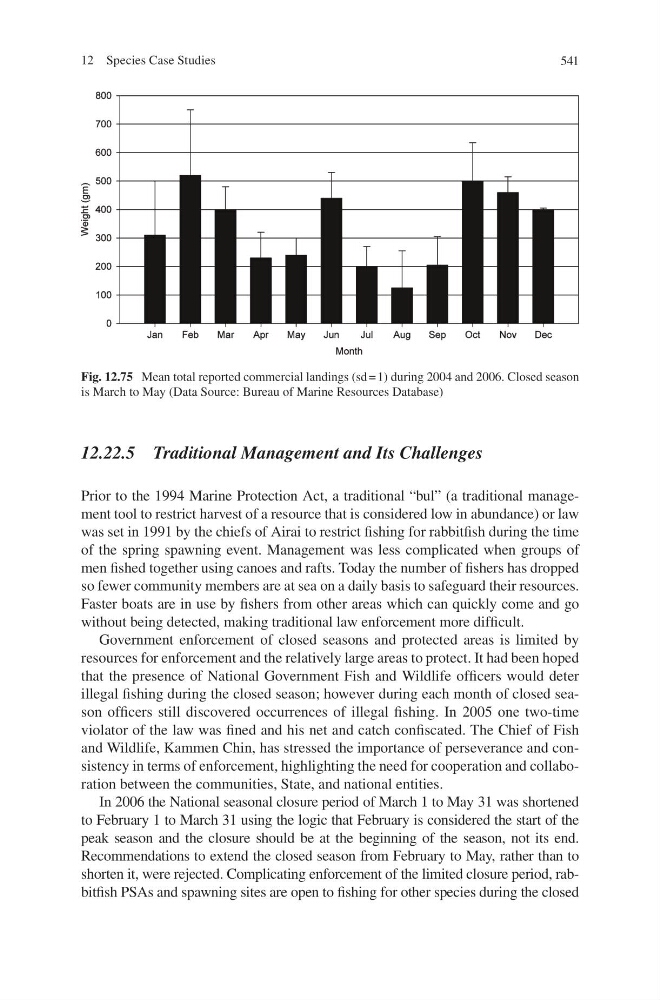
Fig. 12.75 Mean total reported commercial landings (sd = 1) during 2004 and 2006. Closed season
is March to May (Data Source: Bureau of Marine Resources Database)
12 Species Case Studies
12.22.5 Traditional Management and Its Challenges
Prior to the 1994 Marine Protection Act, a traditional “bul” (a traditional management tool to restrict harvest of a resource that is considered low in abundance) or law
was set in 1991 by the chiefs of Airai to restrict fi shing for rabbitfi sh during the time
of the spring spawning event. Management was less complicated when groups of
men fi shed together using canoes and rafts. Today the number of fi shers has dropped
so fewer community members are at sea on a daily basis to safeguard their resources.
Faster boats are in use by fi shers from other areas which can quickly come and go
without being detected, making traditional law enforcement more diffi cult.
Government enforcement of closed seasons and protected areas is limited by
resources for enforcement and the relatively large areas to protect. It had been hoped
that the presence of National Government Fish and Wildlife offi cers would deter
illegal fi shing during the closed season; however during each month of closed season offi cers still discovered occurrences of illegal fi shing. In 2005 one two-time
violator of the law was fi ned and his net and catch confi scated. The Chief of Fish
and Wildlife, Kammen Chin, has stressed the importance of perseverance and consistency in terms of enforcement, highlighting the need for cooperation and collaboration between the communities, State, and national entities.
In 2006 the National seasonal closure period of March 1 to May 31 was shortened
to February 1 to March 31 using the logic that February is considered the start of the
peak season and the closure should be at the beginning of the season, not its end.
Recommendations to extend the closed season from February to May, rather than to
shorten it, were rejected. Complicating enforcement of the limited closure period, rabbitfi sh PSAs and spawning sites are open to fi shing for other species during the closed
Fig. 12.75 Mean total reported commercial landings (sd = 1) during 2004 and 2006. Closed season
is March to May (Data Source: Bureau of Marine Resources Database)