

305
9 Studying and Monitoring Aggregating Species
9.6.3 Photography and Videography
Still photography and videography are powerful tools for documenting aggregations
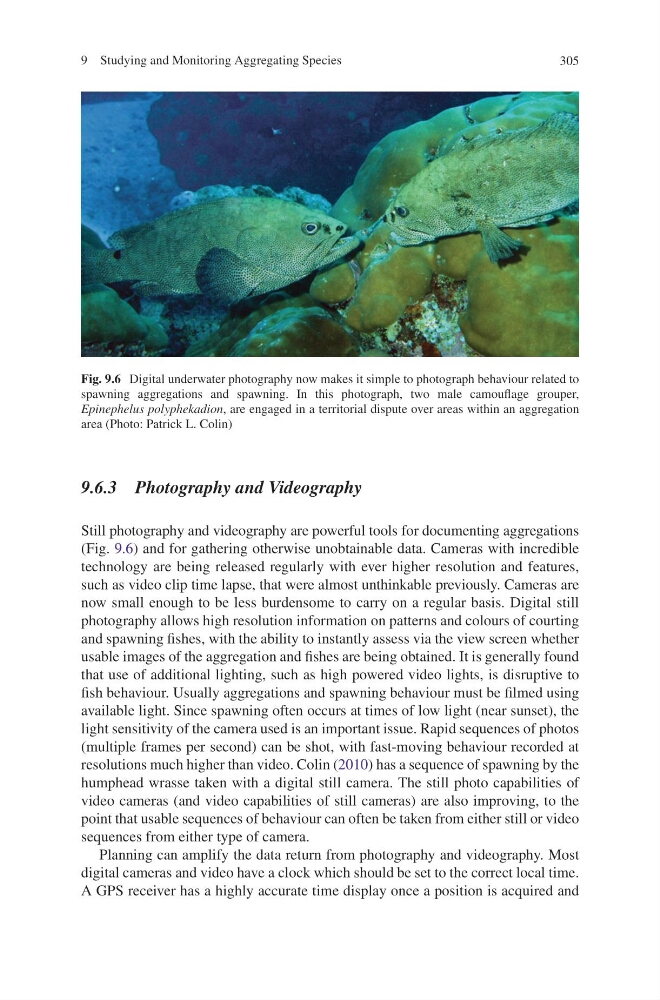
(Fig. 9.6 ) and for gathering otherwise unobtainable data. Cameras with incredible
technology are being released regularly with ever higher resolution and features,
such as video clip time lapse, that were almost unthinkable previously. Cameras are
now small enough to be less burdensome to carry on a regular basis. Digital still
photography allows high resolution information on patterns and colours of courting
and spawning fi shes, with the ability to instantly assess via the view screen whether
usable images of the aggregation and fi shes are being obtained. It is generally found
that use of additional lighting, such as high powered video lights, is disruptive to
fi sh behaviour. Usually aggregations and spawning behaviour must be fi lmed using
available light. Since spawning often occurs at times of low light (near sunset), the
light sensitivity of the camera used is an important issue. Rapid sequences of photos
(multiple frames per second) can be shot, with fast-moving behaviour recorded at
resolutions much higher than video. Colin ( 2010 ) has a sequence of spawning by the
humphead wrasse taken with a digital still camera. The still photo capabilities of
video cameras (and video capabilities of still cameras) are also improving, to the
point that usable sequences of behaviour can often be taken from either still or video
sequences from either type of camera.
Planning can amplify the data return from photography and videography. Most
digital cameras and video have a clock which should be set to the correct local time.
A GPS receiver has a highly accurate time display once a position is acquired and
Fig. 9.6 Digital underwater photography now makes it simple to photograph behaviour related to
spawning aggregations and spawning. In this photograph, two male camoufl age grouper,
Epinephelus polyphekadion , are engaged in a territorial dispute over areas within an aggregation
area (Photo: Patrick L. Colin)
9 Studying and Monitoring Aggregating Species
9.6.3 Photography and Videography
Still photography and videography are powerful tools for documenting aggregations
(Fig. 9.6 ) and for gathering otherwise unobtainable data. Cameras with incredible
technology are being released regularly with ever higher resolution and features,
such as video clip time lapse, that were almost unthinkable previously. Cameras are
now small enough to be less burdensome to carry on a regular basis. Digital still
photography allows high resolution information on patterns and colours of courting
and spawning fi shes, with the ability to instantly assess via the view screen whether
usable images of the aggregation and fi shes are being obtained. It is generally found
that use of additional lighting, such as high powered video lights, is disruptive to
fi sh behaviour. Usually aggregations and spawning behaviour must be fi lmed using
available light. Since spawning often occurs at times of low light (near sunset), the
light sensitivity of the camera used is an important issue. Rapid sequences of photos
(multiple frames per second) can be shot, with fast-moving behaviour recorded at
resolutions much higher than video. Colin ( 2010 ) has a sequence of spawning by the
humphead wrasse taken with a digital still camera. The still photo capabilities of
video cameras (and video capabilities of still cameras) are also improving, to the
point that usable sequences of behaviour can often be taken from either still or video
sequences from either type of camera.
Planning can amplify the data return from photography and videography. Most
digital cameras and video have a clock which should be set to the correct local time.
A GPS receiver has a highly accurate time display once a position is acquired and
Fig. 9.6 Digital underwater photography now makes it simple to photograph behaviour related to
spawning aggregations and spawning. In this photograph, two male camoufl age grouper,
Epinephelus polyphekadion , are engaged in a territorial dispute over areas within an aggregation
area (Photo: Patrick L. Colin)