

587
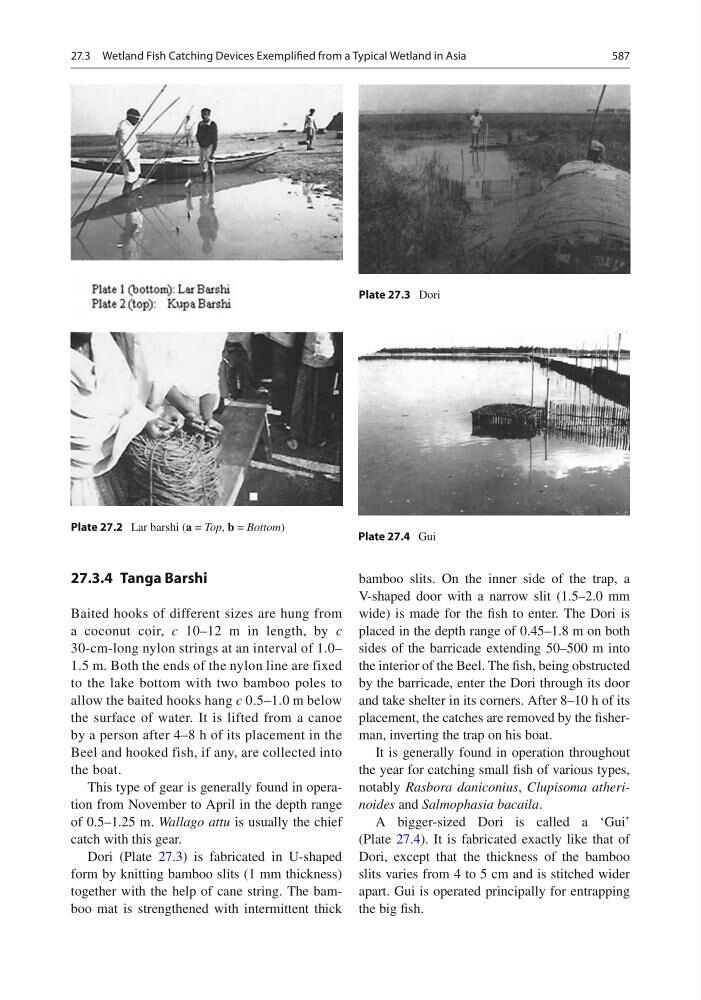
Plate 27.2 Lar barshi ( a = Top , b = Bottom )
Plate 27.3 Dori
Plate 27.4 Gui
27.3.4 Tanga Barshi
Baited hooks of different sizes are hung from
a coconut coir, c 10–12 m in length, by c
30-cm- long nylon strings at an interval of 1.0–
1.5 m. Both the ends of the nylon line are fixed
to the lake bottom with two bamboo poles to
allow the baited hooks hang c 0.5–1.0 m below
the surface of water. It is lifted from a canoe
by a person after 4–8 h of its placement in the
Beel and hooked fish, if any, are collected into
the boat.
This type of gear is generally found in operation from November to April in the depth range
of 0.5–1.25 m. Wallago attu is usually the chief
catch with this gear.
Dori (Plate 27.3 ) is fabricated in U-shaped
form by knitting bamboo slits (1 mm thickness)
together with the help of cane string. The bamboo mat is strengthened with intermittent thick
bamboo slits. On the inner side of the trap, a
V-shaped door with a narrow slit (1.5–2.0 mm
wide) is made for the fi sh to enter. The Dori is
placed in the depth range of 0.45–1.8 m on both
sides of the barricade extending 50–500 m into
the interior of the Beel. The fi sh, being obstructed
by the barricade, enter the Dori through its door
and take shelter in its corners. After 8–10 h of its
placement, the catches are removed by the fi sherman, inverting the trap on his boat.
It is generally found in operation throughout
the year for catching small fi sh of various types,
notably Rasbora daniconius , Clupisoma atherinoides and Salmophasia bacaila .
A bigger-sized Dori is called a ‘Gui’
(Plate 27.4 ). It is fabricated exactly like that of
Dori, except that the thickness of the bamboo
slits varies from 4 to 5 cm and is stitched wider
apart. Gui is operated principally for entrapping
the big fi sh.
27.3 Wetland Fish Catching Devices Exemplifi ed from a Typical Wetland in Asia