

507
areas with some topographic relief and better
drainage, beech, maples, basswood, tulip tree and
other more mesic species were dominant. On elevated beach ridges and moraines with good to
excessive drainage, more xeric species, especially
oak and hickory, were dominant. Unlike other
swampy areas of the Great Lakes, such as northern
Minnesota, there were no conifers. The area
contained non- forested wetlands, particularly
marsh and wet prairies, with marshes being particularly extensive along the Lake Erie shoreline
between Toledo and Sandusky. Some of these
exist even today in modifi ed form in state and
federal wildlife refuges, such as Ottawa National
Wildlife Refuge.
Plate 23.12 Jackson Bottom Wetlands Preserve
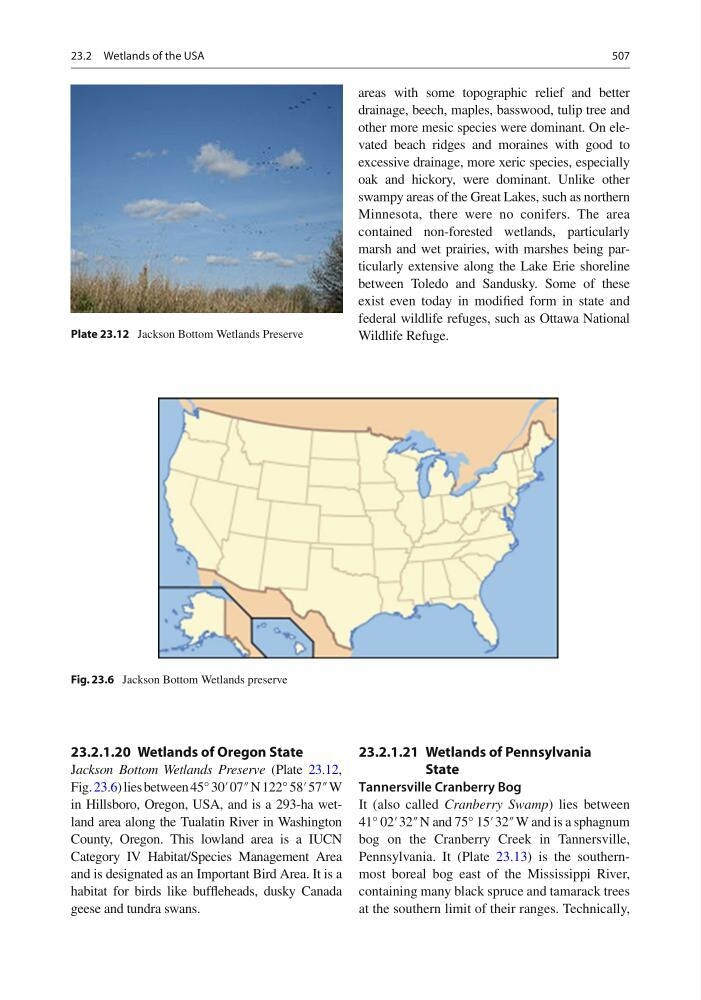
Fig. 23.6 Jackson Bottom Wetlands preserve
23.2.1.20 Wetlands of Oregon State
J ackson Bottom Wetlands Preserve (Plate 23.12 ,
Fig. 23.6 ) lies between 45° 30′ 07″ N 122° 58′ 57″ W
in Hillsboro, Oregon, USA, and is a 293-ha wetland area along the Tualatin River in Washington
County, Oregon. This lowland area is a IUCN
Category IV Habitat/Species Management Area
and is designated as an Important Bird Area. It is a
habitat for birds like buffl eheads, dusky Canada
geese and tundra swans.
23.2.1.21 Wetlands of Pennsylvania
State
Tannersville Cranberry Bog
It (also called Cranberry Swamp ) lies between
41° 02′ 32″ N and 75° 15′ 32″ W and is a sphagnum
bog on the Cranberry Creek in Tannersville,
Pennsylvania. It (Plate 23.13 ) is the southernmost boreal bog east of the Mississippi River,
containing many black spruce and tamarack trees
at the southern limit of their ranges. Technically,
23.2 Wetlands of the USA
areas with some topographic relief and better
drainage, beech, maples, basswood, tulip tree and
other more mesic species were dominant. On elevated beach ridges and moraines with good to
excessive drainage, more xeric species, especially
oak and hickory, were dominant. Unlike other
swampy areas of the Great Lakes, such as northern
Minnesota, there were no conifers. The area
contained non- forested wetlands, particularly
marsh and wet prairies, with marshes being particularly extensive along the Lake Erie shoreline
between Toledo and Sandusky. Some of these
exist even today in modifi ed form in state and
federal wildlife refuges, such as Ottawa National
Wildlife Refuge.
Plate 23.12 Jackson Bottom Wetlands Preserve
Fig. 23.6 Jackson Bottom Wetlands preserve
23.2.1.20 Wetlands of Oregon State
J ackson Bottom Wetlands Preserve (Plate 23.12 ,
Fig. 23.6 ) lies between 45° 30′ 07″ N 122° 58′ 57″ W
in Hillsboro, Oregon, USA, and is a 293-ha wetland area along the Tualatin River in Washington
County, Oregon. This lowland area is a IUCN
Category IV Habitat/Species Management Area
and is designated as an Important Bird Area. It is a
habitat for birds like buffl eheads, dusky Canada
geese and tundra swans.
23.2.1.21 Wetlands of Pennsylvania
State
Tannersville Cranberry Bog
It (also called Cranberry Swamp ) lies between
41° 02′ 32″ N and 75° 15′ 32″ W and is a sphagnum
bog on the Cranberry Creek in Tannersville,
Pennsylvania. It (Plate 23.13 ) is the southernmost boreal bog east of the Mississippi River,
containing many black spruce and tamarack trees
at the southern limit of their ranges. Technically,
23.2 Wetlands of the USA